What is the smallest backhoe loader?
Introduction:
Why Size Matters in Construction Equipment
In modern construction, space is often limited. Urban job sites, landscaping projects, and municipal maintenance work all require equipment that is compact, efficient, and easy to maneuver.
Using oversized machinery in tight environments not only reduces efficiency but also increases operating costs and safety risks. This is where small and compact backhoe loaders come into play.
But what exactly is the smallest backhoe loader, and how do you choose the right one for your project?
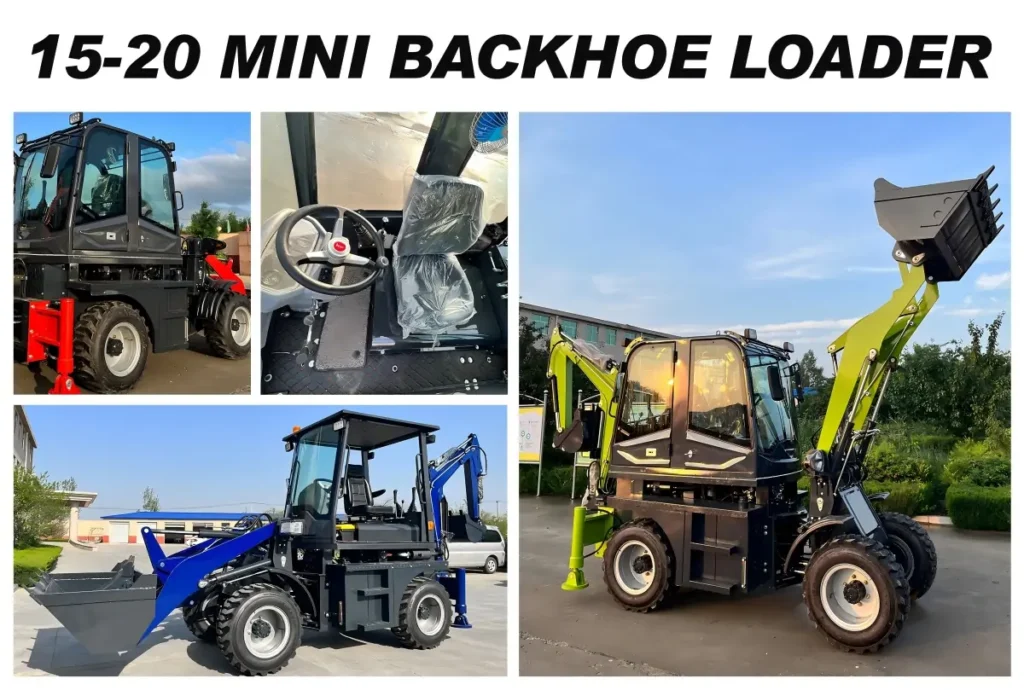
Table of Contents
What Is the Smallest Backhoe Loader?
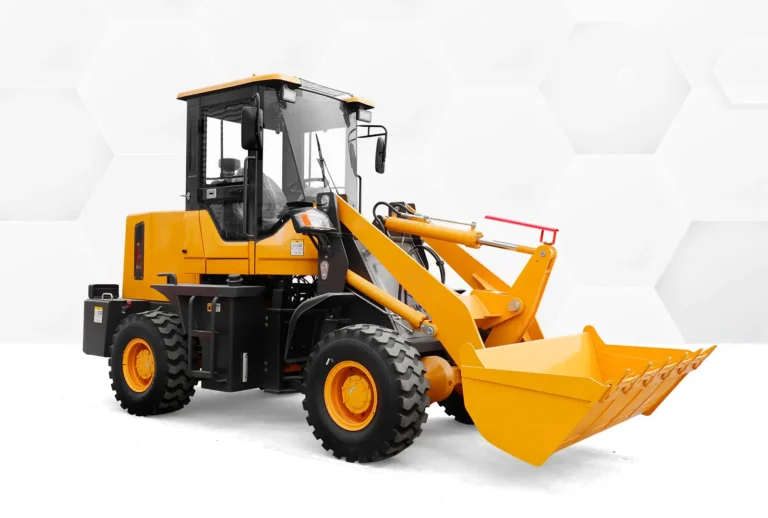
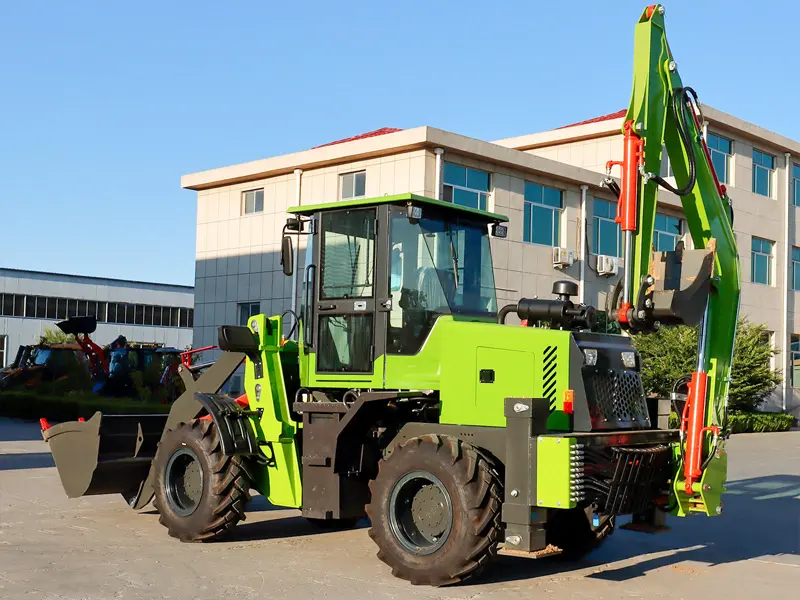
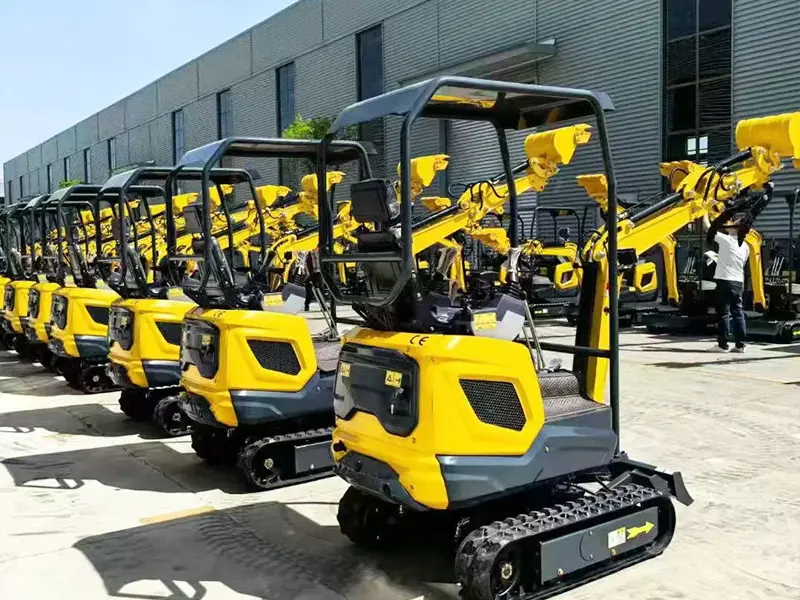
The smallest backhoe loaders are typically classified as mini or compact backhoe loaders. These machines are designed for light- to medium-duty tasks where space and flexibility are critical.
Typical Size and Specifications
While there is no single “smallest” model across all manufacturers, most compact backhoe loaders fall within the following range:
- Operating weight: 2,500 – 7,000 kg
- Engine power: 25 – 75 HP
- Digging depth: 2 – 4 meters
- Bucket capacity: Smaller than standard models
These machines are significantly smaller than standard backhoe loaders, making them ideal for confined job sites.
Working principle
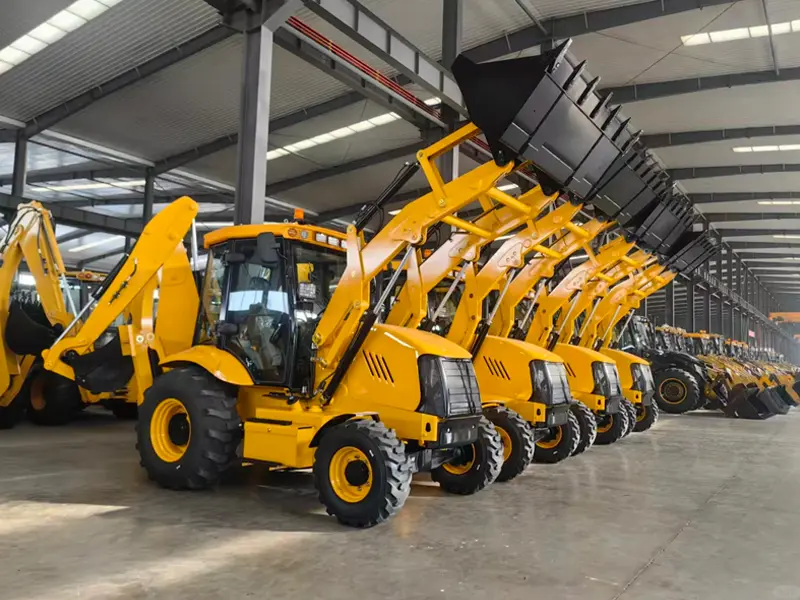
The backhoe loader integrates front-end loading and rear-end excavation functions into a single machine through its hydraulic system as the power core: high-pressure oil from the hydraulic pump drives the front bucket for lifting and tilting to scoop and load materials; simultaneously, it drives the rear backhoe mechanism, enabling coordinated movement of the boom, stick, and bucket to perform digging, trenching, and earth-dumping operations. Paired with either wheeled or tracked undercarriages for mobility and steering, all working mechanisms operate in unison under joystick control. This enables integrated, high-efficiency operations encompassing excavation, loading, and short-distance material transport.
Features of the Smallest Backhoe Loader
Compared to standard loaders, mini backhoe loaders offer the following key advantages:
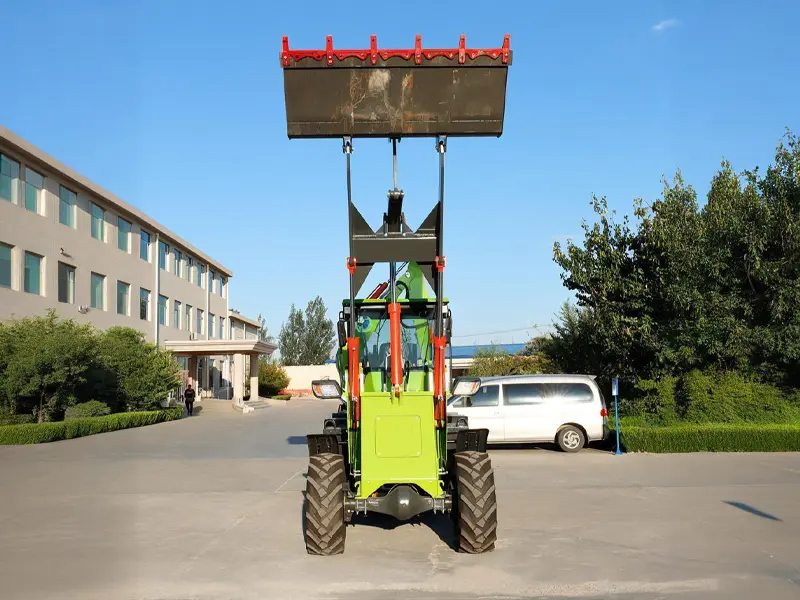
- Compact Size, High Maneuverability: Their smaller overall dimensions allow them to work effortlessly in confined spaces, urban roads, gardens, and similar environments.
- Multi-Functional Design: Combining loader and backhoe functions into one machine eliminates the need for multiple machines to collaborate, enhancing cost-effectiveness and space utilization.
- Simple Operation, Easy to Learn: Compact size, fewer control levers, and excellent visibility make them suitable for users without large machinery experience.
- Suitable For Light-Duty Applications: Ideal for earthmoving, trenching, light loading, and landscaping work; not suitable for extremely heavy loads or large-scale earthmoving projects.
- Lower Cost and Maintenance Expenses: Significantly lower purchase price, fuel consumption, and maintenance costs compared to large backhoe loaders.
What is the smallest backhoe loader used for
- Small-Scale Earthmoving and Excavation: Residential foundation digging, cable trench excavation, small pipeline installation, etc.
- Site Loading and Material Handling: Loading loose materials onto trucks or transport vehicles, or clearing construction sites.
- Landscaping and Greening Projects: Screening soil, digging holes, and transporting crushed stone in parks, gardens, and green belts.
- Municipal Maintenance: Light-duty tasks such as urban road and neighborhood upkeep, and storm drain cleaning.
Smallest Backhoe Loader vs Standard Models
For contractors working in confined spaces or handling light-to-medium tasks, compact backhoe loaders often provide a more cost-effective and efficient solution. Standard models are better suited for large-scale, high-intensity operations.
| Category | Small (Compact) Backhoe Loader | Standard Backhoe Loader |
|---|---|---|
| Size & Maneuverability | Easy to operate in narrow streets, residential areas, and confined job sites | Larger size, less maneuverable in tight spaces |
| Power & Performance | Suitable for light-duty tasks with adequate digging and lifting capability | Higher digging force and lifting capacity for heavy-duty work |
| Purchase Cost | Lower initial investment | Higher upfront cost |
| Fuel Consumption | More fuel-efficient | Higher fuel consumption |
| Transportation Cost | Easier and cheaper to transport | Requires more complex and costly transportation |
| Maintenance Cost | Lower maintenance expenses | Higher maintenance costs due to larger systems |
| Best Applications | Urban construction, landscaping, small projects | Large construction, infrastructure, heavy-duty tasks |
| ROI (Return on Investment) | Higher ROI for small-scale or specialized jobs | Better ROI for large-scale, continuous heavy work |
Advantages of Small Backhoe Loaders
Limitations You Should Consider
While compact machines offer many benefits, they also have limitations:
- Lower digging force compared to larger models
- Limited lifting capacity
- Not suitable for heavy-duty excavation projects
Choosing the right machine depends on matching equipment size to your actual job requirements.
How to Choose the Smallest Backhoe Loader
Selecting the right model involves more than just size.
Consider Job Site Conditions
Evaluate space constraints and terrain.
Check Required Digging Depth
Ensure the machine meets your project’s excavation needs.
Evaluate Engine Power
Choose a model that balances performance and fuel efficiency.
Review Attachment Compatibility
Common attachments include:
- Buckets
- Augers
- Hydraulic breakers
- Forks
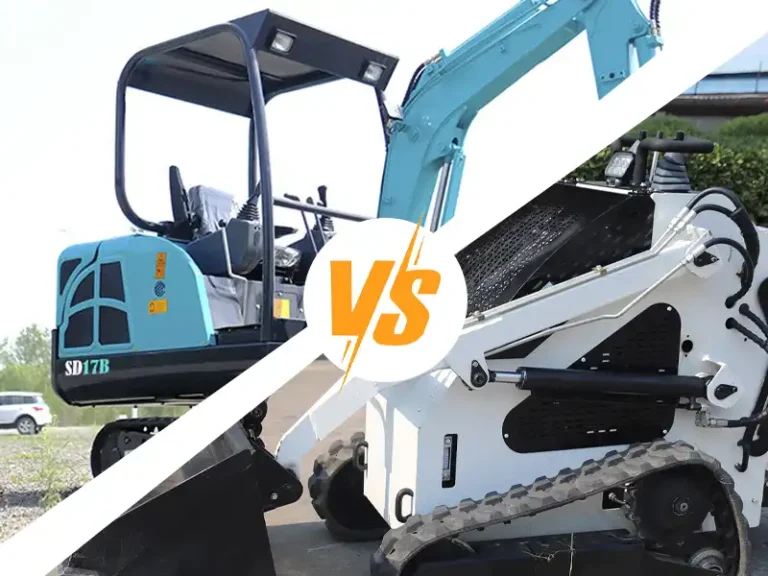
Mini Backhoe Loader vs Excavator vs Skid Steer
Many buyers compare compact backhoe loaders with other equipment.
- Mini Excavator: Better for deep digging, but lacks loading capability
- Skid Steer Loader: Excellent for loading, but limited excavation function
- Mini Backhoe Loader: Combines both functions in one machine
If you need versatility, a compact backhoe loader is often the best solution.
How Much Does the Smallest Backhoe Loader Cost?
The price of a small backhoe loader depends on several factors:
Average Price Range
- Typically between $15,000 – $40,000
Factors Affecting Price
- Engine power
- Hydraulic system
- Attachments
- Brand and manufacturer
- Custom configurations
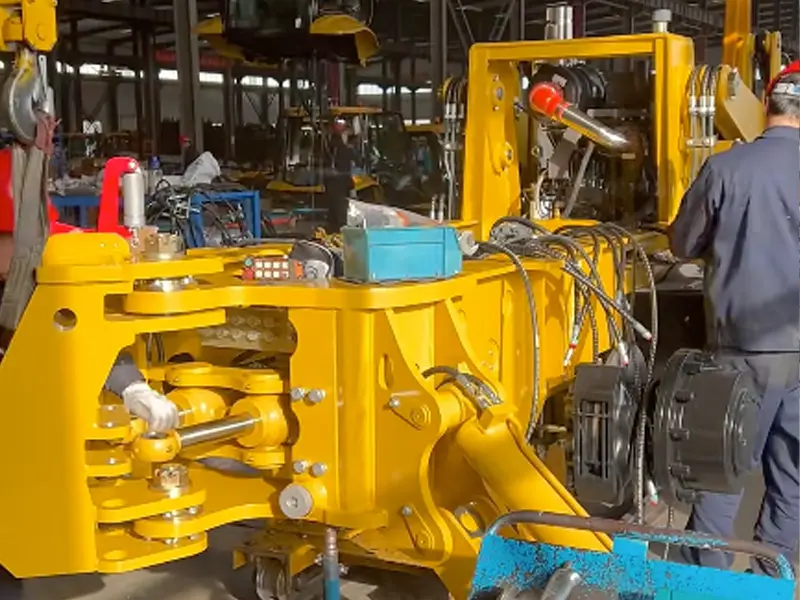
Why Buying Directly From a Manufacturer Matters
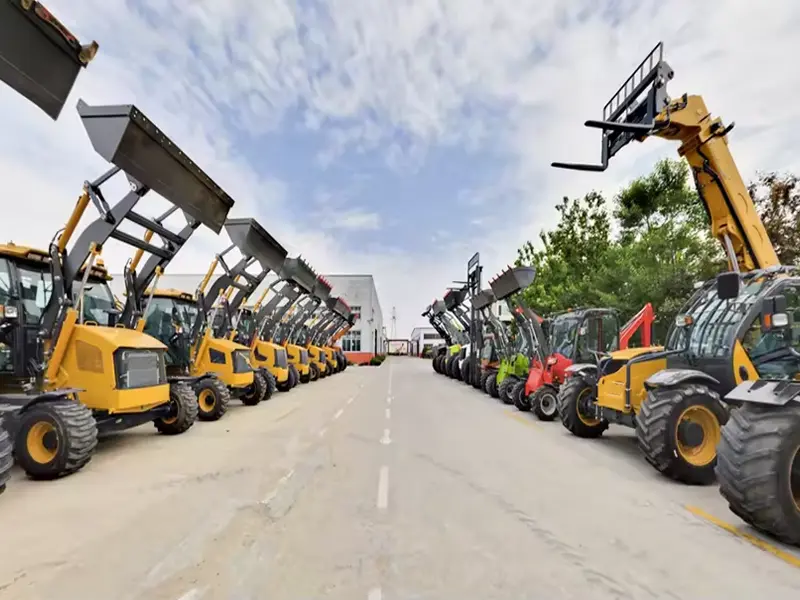
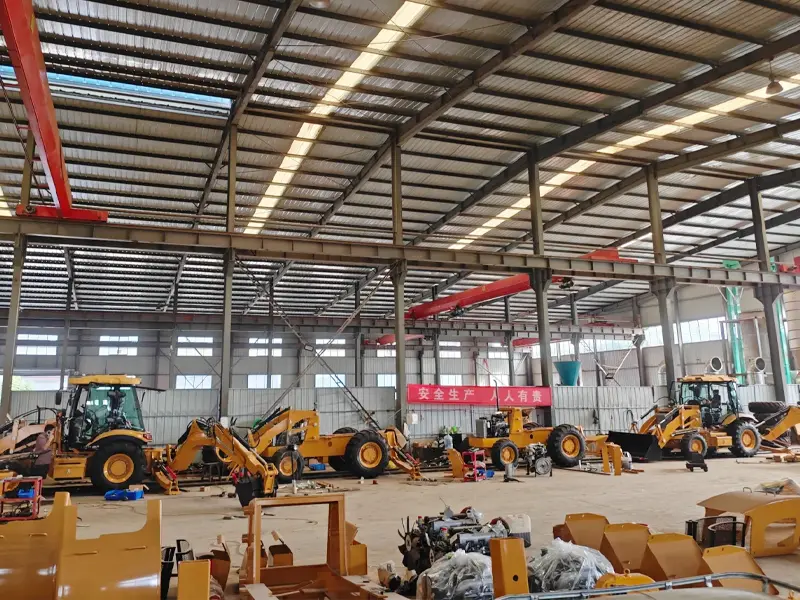
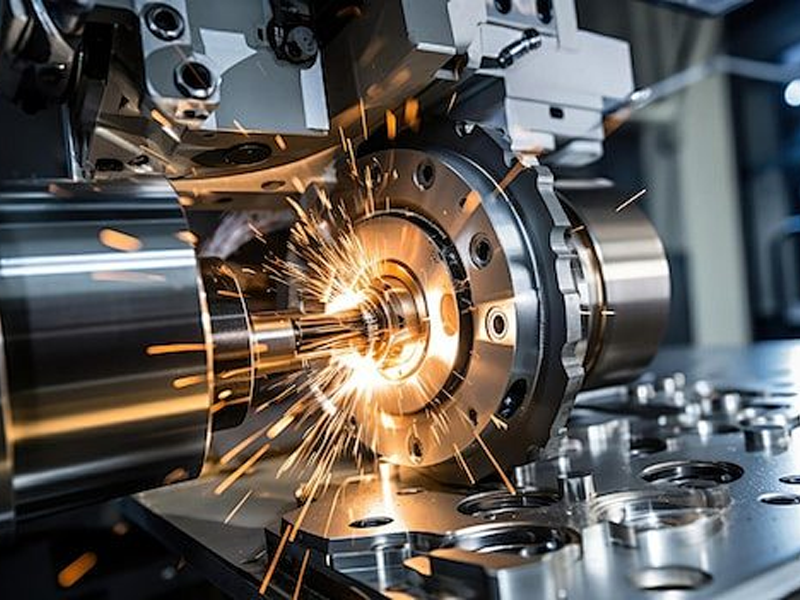
Working with a professional manufacturer offers several advantages:
- Competitive factory-direct pricing
- Custom configuration options
- Reliable spare parts supply
- Faster technical support
- Global export experience
FAQs
conclusion
The smallest backhoe loader is a compact, highly maneuverable, and versatile lightweight construction machine suitable for earthmoving, loading and hauling, municipal works, landscaping, and various other applications. It combines loading and digging functions into one unit, coordinating actions through a hydraulic control system.
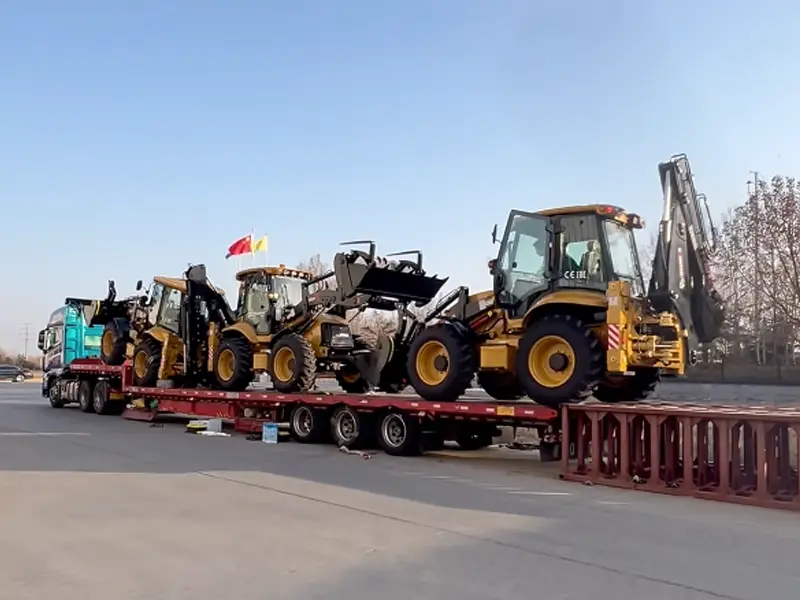
The advantages of this equipment include low cost, suitability for confined spaces, and simple maintenance. Its disadvantages are limited load capacity and digging force, making it unsuitable for large-scale projects. When used correctly, especially when loading other small machinery onto transport vehicles, stability and safety must be prioritized.
A small backhoe loader for sale is not defined by a single model, but by a category of compact and versatile machines designed for efficiency in tight spaces. For contractors and businesses, the key is not choosing the smallest machine—but choosing the right size for the job. If your projects involve limited space, frequent mobility, and multi-purpose tasks, a compact backhoe loader could be the most cost-effective solution.