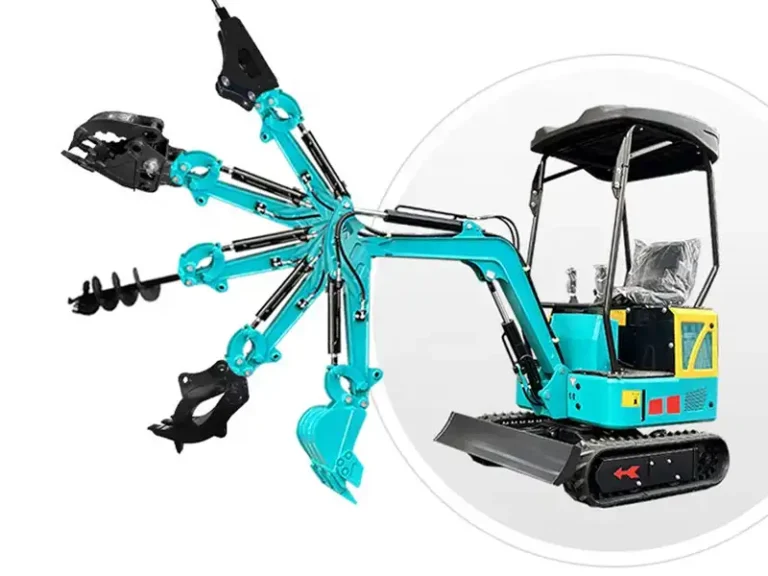
1 Ton vs 2 Ton Mini Excavator
In the world of mini excavators, the difference between the 1-ton vs 2-ton classes may seem like a minor numerical distinction, but on actual job sites, this 1,000-kilogram weight difference often determines the success or failure of a project. Do you need an “agile workhorse” that can squeeze through a backyard fence or even navigate indoor hallways? Or do you need a “versatile assistant” with greater digging power that remains as steady as a rock on slopes? While both belong to the compact equipment category, they serve different purposes depending on job size, working conditions, and business goals.
In this guide, we’ll break down the key differences, applications, pricing, and buying considerations to help you select the right machine for your needs.
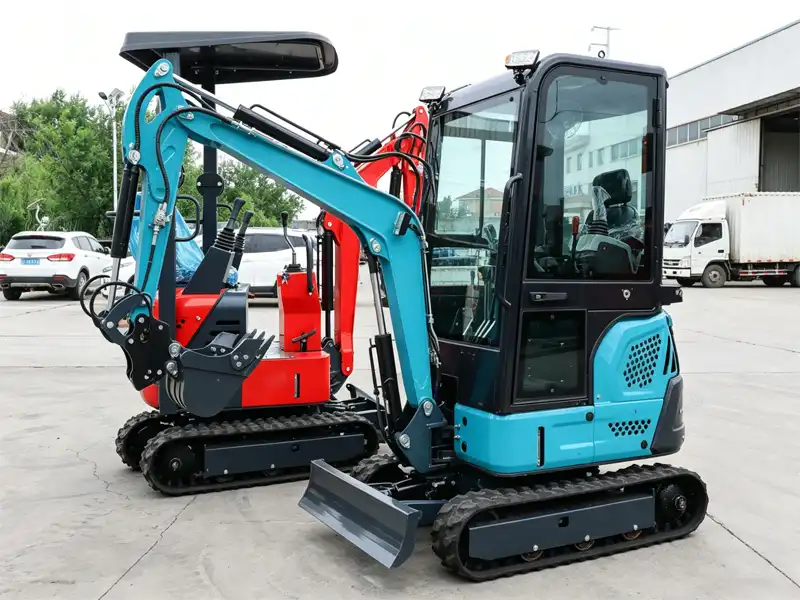
Table of Contents
What Is a 1 Ton Mini Excavator?
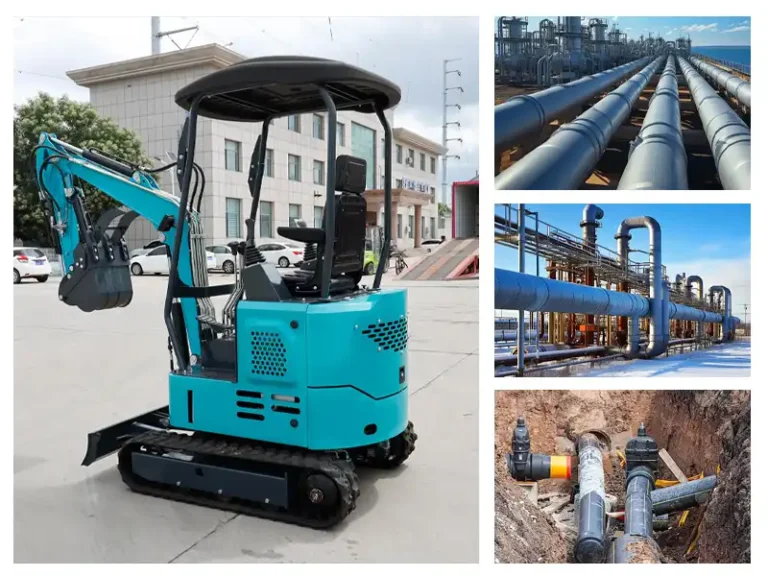
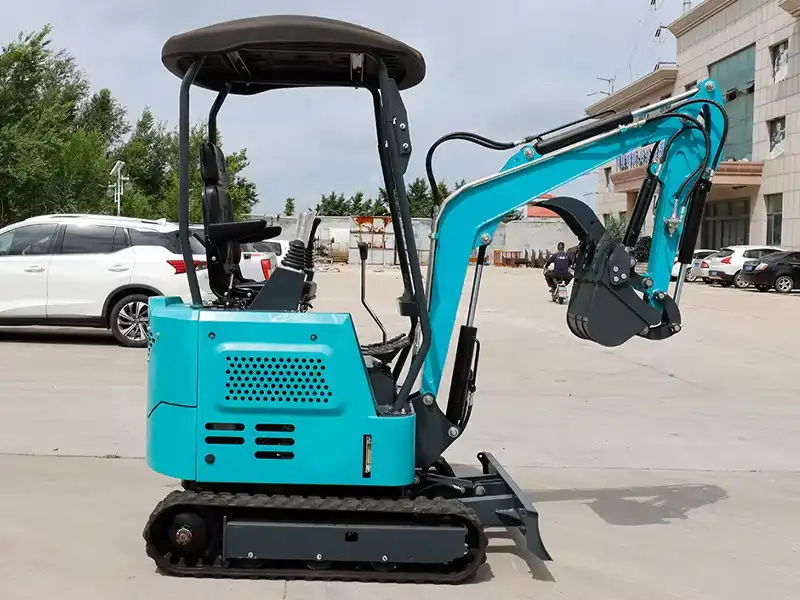
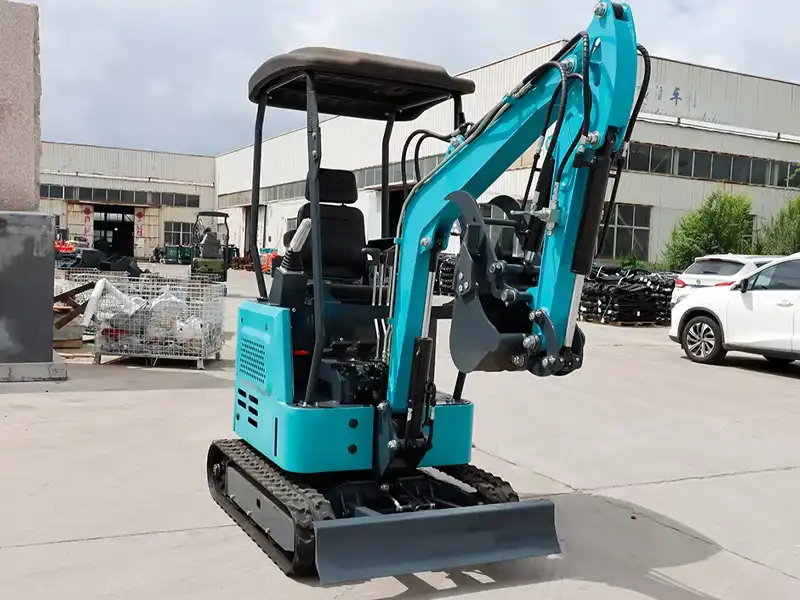
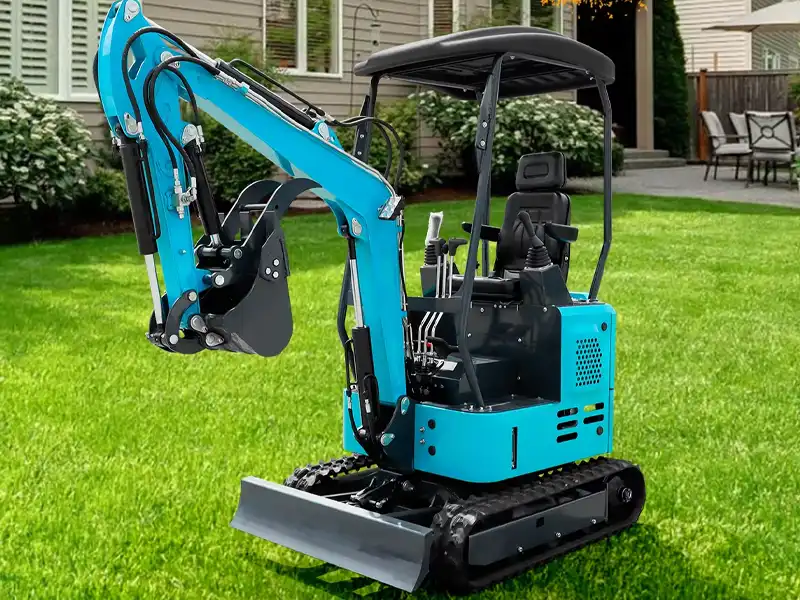
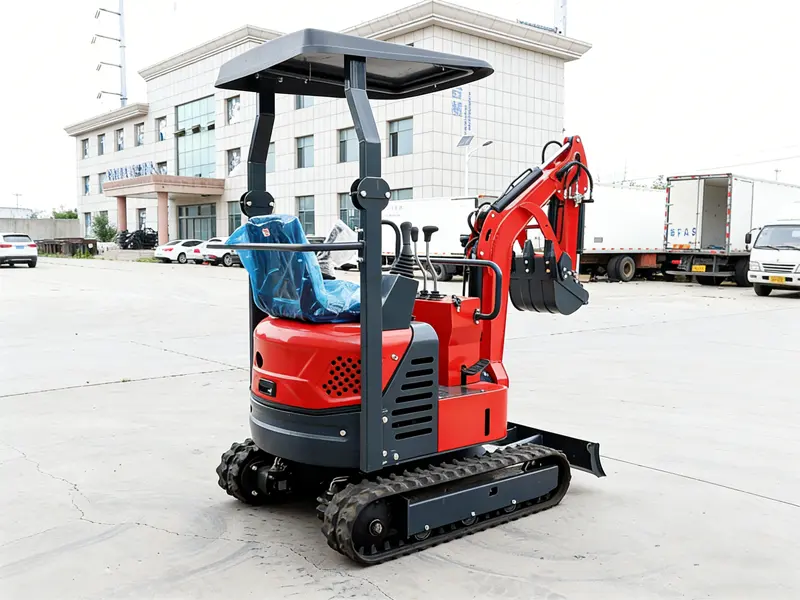
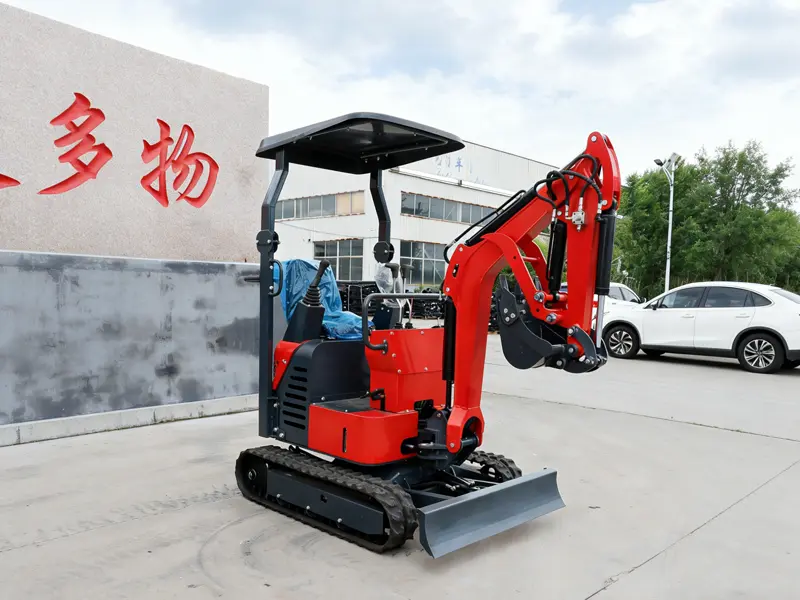
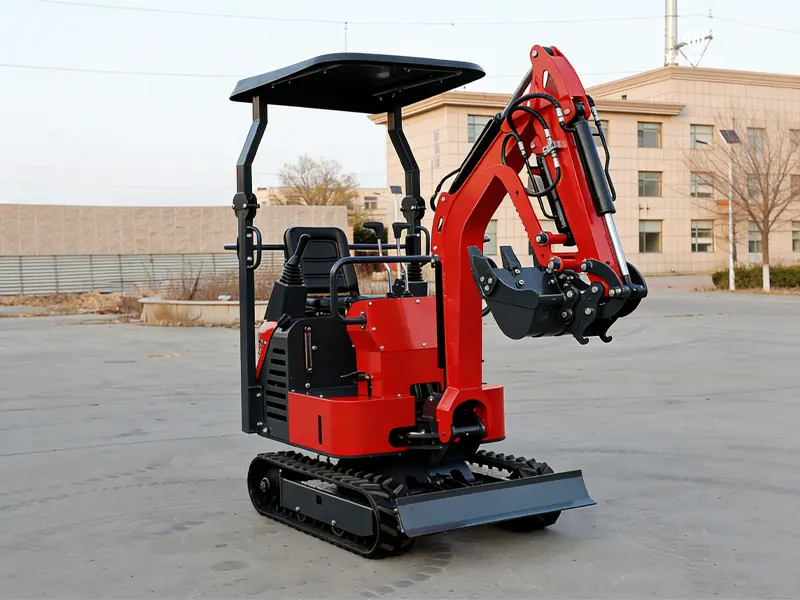
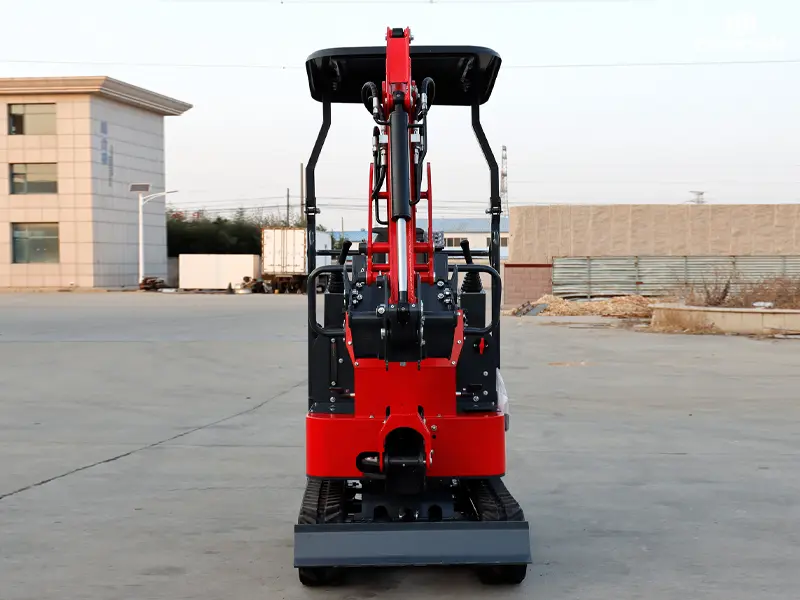
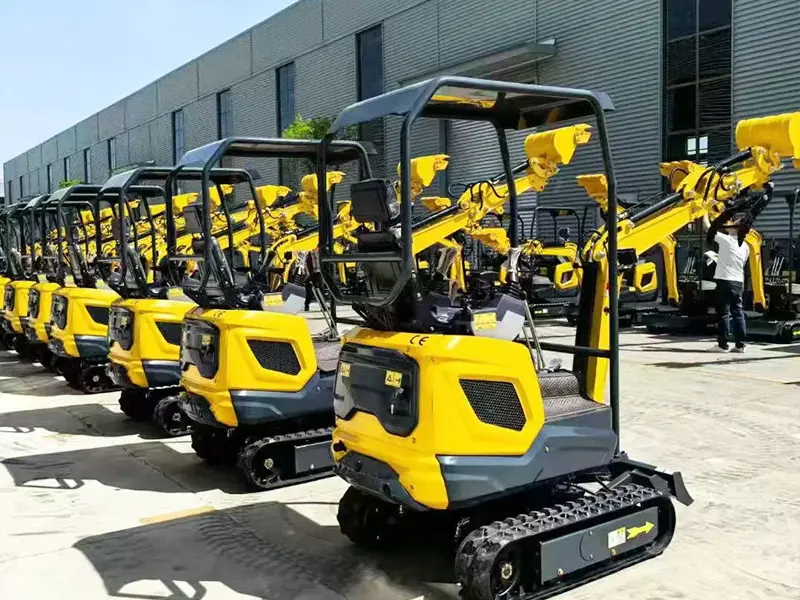
A 1-ton mini excavator is a lightweight, ultra-compact digging machine typically weighing around 800–1200 kg. It is designed for small-scale and precision work, especially in tight or hard-to-reach areas. This type of small mini excavator for narrow spaces is ideal for homeowners and light-duty users.
1 Ton Mini Excavator Features:
- Compact size for narrow access
- Easy transportation (small trailer or pickup)
- Low fuel consumption
- Beginner-friendly operation
1 Ton Mini Excavator Applications:
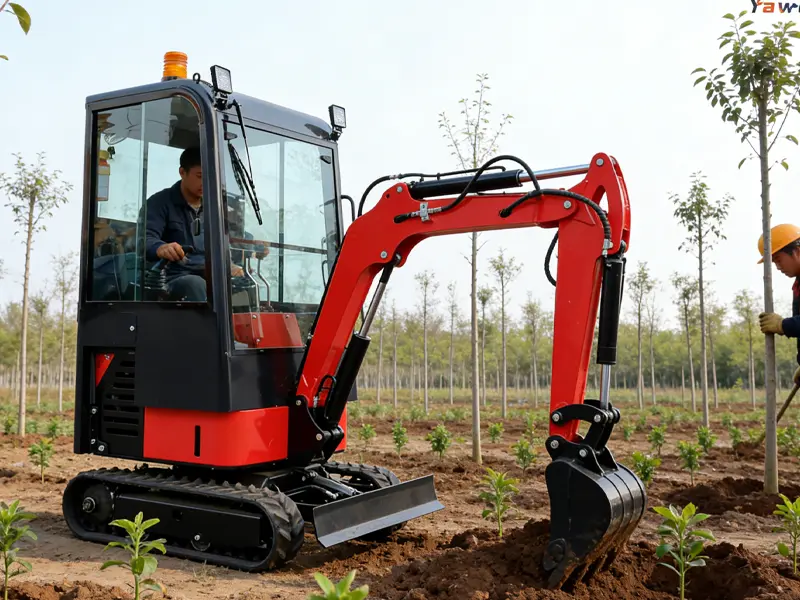
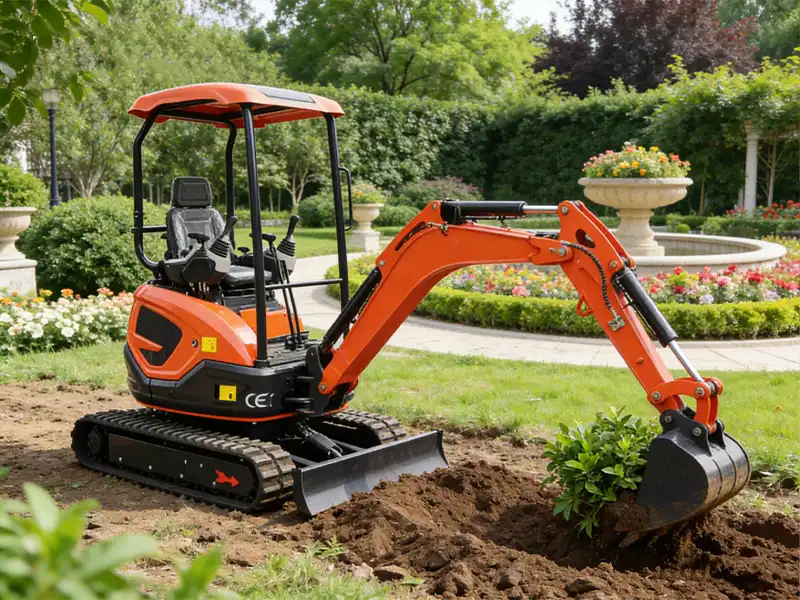
- Backyard landscaping
- Garden trenching
- Small farm projects
- Indoor demolition
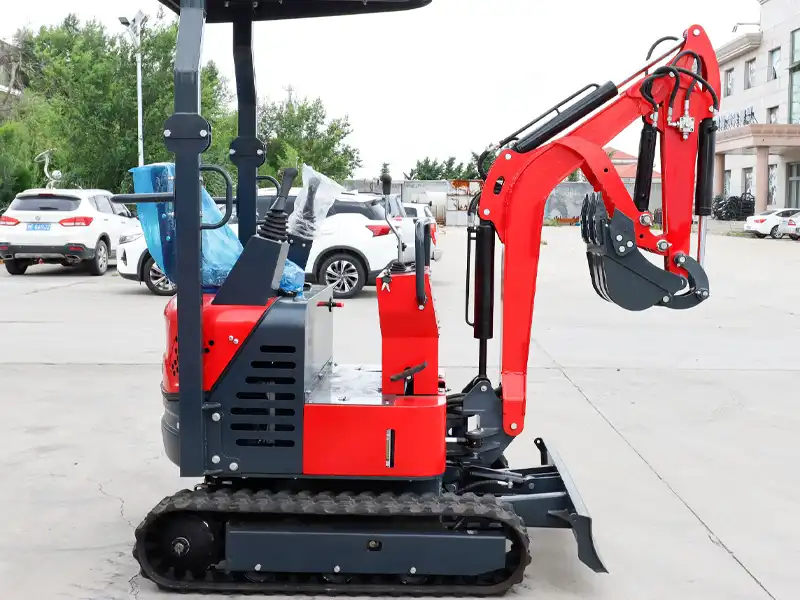
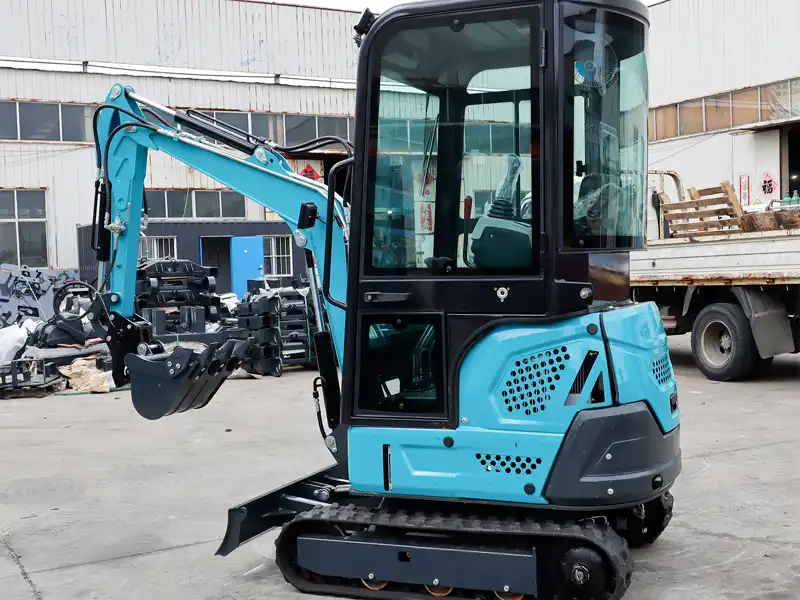
What Is a 2 Ton Mini Excavator?
A compact excavator in this class is widely used by contractors and rental businesses.
2 Ton Mini Excavator Features:
- Higher engine power
- Greater digging depth
- Improved hydraulic performance
- More stability during operation
2 Ton Mini Excavator Applications:
- Construction projects
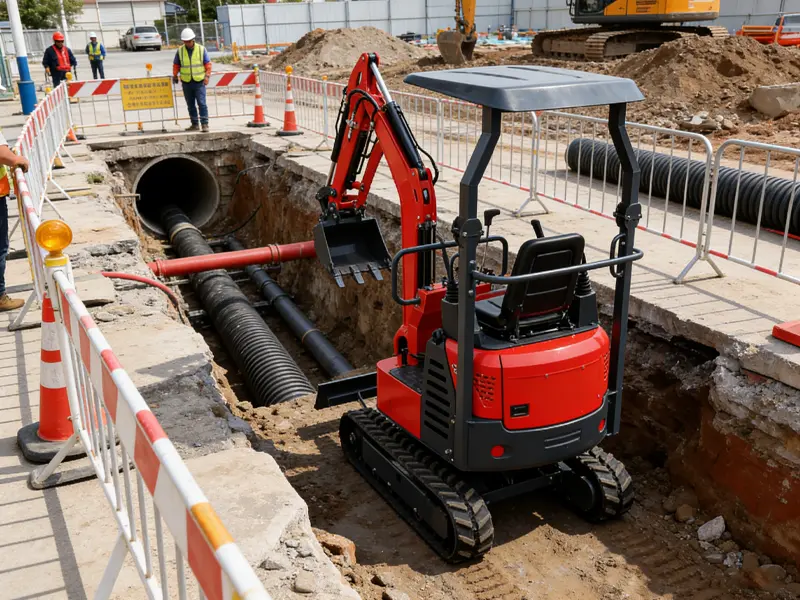
- Utility trenching
- Road and municipal work
1 Ton vs 2 Ton Mini Excavator: Key Differences
If you’re searching for a mini excavator comparison, the biggest differences come down to power, size, and application range.
| Feature | 1 Ton Mini Excavator | 2 Ton Mini Excavator |
|---|---|---|
| Operating Weight | 0.8 – 1.2 tons | 1.8 – 2.2 tons |
| Engine Power | Lower | Higher |
| Digging Depth | 1.5 – 1.8 m | 2.2 – 2.5 m |
| Bucket Capacity | Small | Medium |
| Transport | Easy | Moderate |
| Price Range | Lower | Higher |
Size & Accessibility Mini Excavator Comparison
| Feature | 1-Ton Class (Micro) | 2-Ton Class (Mini) | Key Impact |
| Overall Width | Approx. 700mm – 860mm | Approx. 990mm – 1300mm | Determines access to indoor areas or narrow gates. |
| Undercarriage | Standard Retractable Tracks | Optional/Partial Retractable Tracks | Balances transportability with side-to-side stability. |
| Control Type | Mostly Mechanical Levers | Mostly Pilot Joysticks | Affects precision, smoothness, and operator fatigue. |
| Swing Radius | Conventional or Minimal Swing | Zero Tail Swing (ZTS) is common | Dictates safety when working flush against walls. |
| Operator Area | Open Canopy (Compact) | Canopy or Enclosed Cab options | Influences visibility, comfort, and weather protection. |
- Ultimate Access: The 1-Ton “Indoor” Advantage
The 1-ton machine’s biggest selling point is its extreme compactness. With tracks that can retract to under 800mm, it is the only choice for driving through standard interior doorways or narrow side alleys in residential gardens. - Precision Handling: The 2-Ton “Smooth” Experience.
While 1-ton units often use manual mechanical linkages that can feel “notchy,” 2-ton models typically feature hydraulic pilot controls. These joysticks allow for feather-touch accuracy, making complex movements (like leveling soil or digging near utilities) much easier and less tiring. - Dynamic Stability: The “Weight” of Confidence
A 2-ton machine isn’t just heavier; it’s more grounded. That extra 1,000kg is strategically placed in the undercarriage and counterweight. This reduces “machine jump” when digging through hard clay or using a hydraulic breaker, providing a much more stable platform for the operator. - Manoeuvrability: Zero Tail Swing Safety
Most 2-ton excavators are designed with Zero Tail Swing. This means the rear of the machine stays within the width of its tracks as it rotates. In tight workspaces, this allows the operator to focus entirely on the bucket without worrying about the back of the machine swinging into a wall or fence.
Performance & Digging Capability
| Metric | 1-Ton Class (Micro) | 2-Ton Class (Mini) | Operational Benefit |
| Max Dig Depth | Approx. 1.5m – 1.8m | Approx. 2.3m – 2.6m | Reach deeper for utilities and foundations. |
| Bucket Breakout Force | Approx. 8kN – 10kN | Approx. 16kN – 19kN | Ability to cut through hard clay or rocky soil. |
| Auxiliary Hydraulic Flow | Low (Basic attachments) | High (Powerful attachments) | Efficiency when using augers or breakers. |
| Lifting Capacity | Limited (Light loads) | Substantial (Pallets/Stone) | Safety when moving heavy materials on-site. |
| Reach at Ground Level | Short (Frequent repositioning) | Long (More work from one spot) | Reduces the time spent moving the machine. |
Key Performance Insights
1. Digging Depth & Reach
- The 1-Ton Limit: These machines are designed for shallow trenching (cables, fiber optics, or small pipes) and surface landscaping.
- The 2-Ton Advantage: With nearly a meter of extra reach and depth, the 2-tonner can dig standard footings for extensions and reach over the sides of larger dump trucks. You spend less time repositioning the tracks and more time moving dirt.
2. Breakout Force: “The Bite.”
The most noticeable difference is how the machine handles tough terrain.
- 1-Ton: May struggle with heavily compacted soil or thick tree roots, often requiring the operator to “pick” at the ground.
- 2-Ton: Usually offers double the breakout force. It has the hydraulic “muscle” to curl the bucket through heavy clay or pry up large rocks that would leave a 1-ton machine tip-toeing on its front idlers.
3. Hydraulic Versatility
- Attachments: A 2-ton excavator’s hydraulic system is built to sustain higher pressures. This makes it far more efficient at running hydraulic breakers (jackhammers), augers, or power tilts.
- Efficiency: On a 1-ton machine, using a breaker can be slow. On a 2-ton machine, the same task is completed in a fraction of the time due to the superior oil flow.
4. Lifting & Handling
- Stability under Load: Because of its wider footprint and heavier counterweight, a 2-ton machine can safely lift and “walk” with heavy items like concrete manhole covers, large boulders, or pallets of bricks.
- 1-Ton Caution: Lifting capacity is significantly lower; it is primarily designed for digging rather than material handling.
Applications: Which Jobs Fit Each Model?
| Project Category | 1-Ton Class (Micro) | 2-Ton Class (Mini) |
| Indoor Renovation | Best Choice (fits through doors) | Rarely possible (too wide/heavy) |
| Residential Landscaping | Small backyards, narrow side gates | Large gardens, estate management |
| Utility Work | Fiber optics, CCTV, and irrigation | Water mains, septic tanks, drainage |
| Demolition | Light interior (floor tiles, baths) | Exterior walls, concrete driveways |
| Trenching | Shallow cable/pipe trenches | Foundation footings, deep drainage |
| Lifting/Hardscaping | Small plants, light soil bags | Large boulders, fence posts, sleepers |
Detailed Application Guide
1. When to Choose the 1-Ton (The “Micro” Specialist)
The 1-ton machine is the king of restricted access. If your project is blocked by a standard garden gate or a front door, this is your only option.
- Backyard DIY: Perfect for homeowners digging a small pond, removing a few stumps, or prepping a base for a garden shed.
- Indoor Strip-outs: Because they can fit in construction elevators and pass through doorways, they are essential for commercial interior demolition.
- Fiber Optic Laying: Ideal for “slot trenching” along sidewalks or narrow streets where blocking traffic isn’t an option.
2. When to Choose the 2-Ton (The “Utility” Workhorse)
The 2-ton machine is the entry-level professional contractor’s choice. It is designed for projects that require “real” earthmoving.
- Home Extensions: If you need to dig footings for a new room or garage, the 2-tonner has the depth and power to meet building code requirements efficiently.
- Drainage & Septic: Their superior dig depth (over 2.3m) makes them suitable for installing soakaways, septic tanks, and deep stormwater pipes.
- Hardscaping & Retaining Walls: If you are moving heavy sleepers, large limestone blocks, or several cubic meters of gravel, the 2-ton’s lifting capacity and stability will save your back and your schedule.
3. Transport & Logistics Considerations
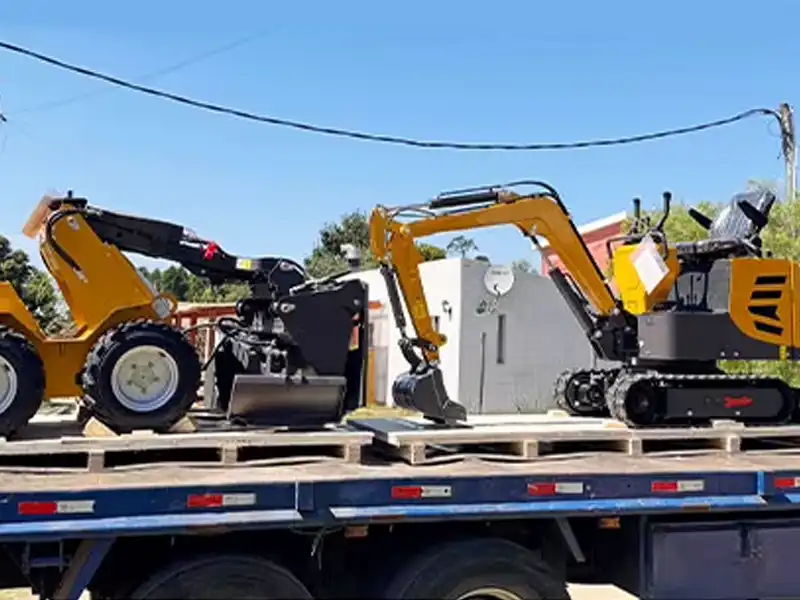
- 1-Ton: Can often be towed by a standard SUV on a single-axle trailer, or even put in the back of some specialized plant trailers. It’s the “grab and go” machine.
- 2-Ton: Requires a beefier setup—usually a dual-axle trailer and a vehicle with a higher towing capacity (typically $3.5$ tonnes). You also need to account for the weight of the extra buckets and fuel.
If the machine has to go through a building or a small gate, go with the 1-ton. If the machine is staying outside and you have more than 1.3 meters of clearance, the 2-ton will almost always get the job done faster and more comfortably.
Price Comparison & Cost Analysis
Average Price Range:
- 1 Ton Mini Excavator: $3,000 – $6,000
- 2 Ton Mini Excavator: $6,000 – $12,000
Additional Costs:
- Shipping and logistics
- Maintenance and spare parts
- Attachments
While the 2-ton machine costs more upfront, it often provides a higher ROI for commercial users.
Operator Experience & Ease of Use
- 1 Ton:
Easier to learn
Simple controls
Less intimidating for beginners - 2 Ton:
More advanced hydraulic system
Requires some experience
Better stability
For first-time users, a small excavator is easier to operate.
Attachments Compatibility Comparison
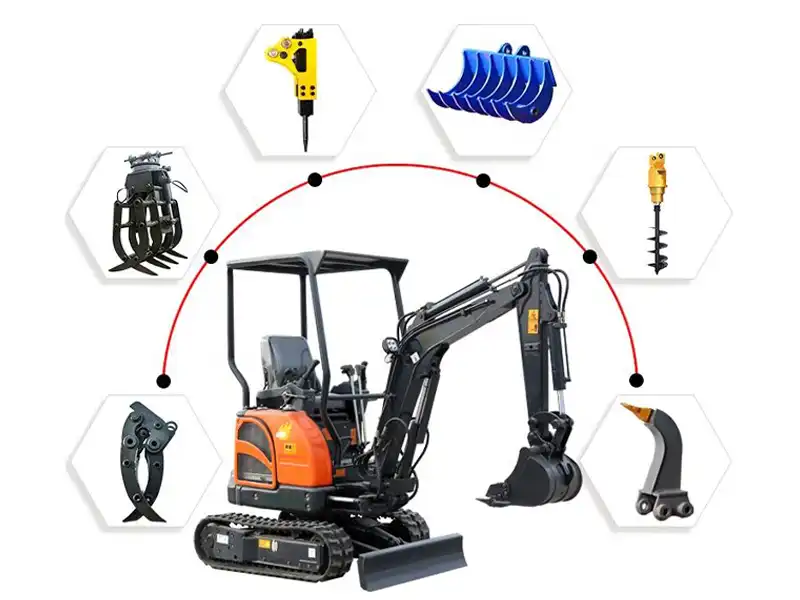
Attachments greatly expand machine functionality.
1 Ton:
- Small buckets
- Light augers
2 Ton:
- Hydraulic breakers
- Trenching buckets
- Augers
- Grapples
A 2-ton model supports more tools, making it a versatile compact excavator for multiple industries.
Pros and Cons of 1 Ton vs 2 Ton Mini Excavators
1-Ton Mini Excavators (Micro Diggers)
The 1-ton class is designed for extreme portability and “micro” spaces. These machines are often the only option for projects that require navigating narrow side gates or working inside a building.
Pros:
- Ultimate Access: Most models feature retractable tracks that allow them to fit through standard 32-inch doorways or garden gates.
- Easy Transport: Their lightweight design means they can be towed by many standard SUVs and light trucks without a specialized CDL-grade trailer.
- Low Operating Cost: These machines typically consume only 1.0 to 1.5 liters of fuel per hour, making them highly economical for long days of light grading.
Cons:
- Limited Power: With roughly half the breakout force of a 2-ton model, they may struggle with hard clay, heavy roots, or rocky soil.
- Stability: Because they are light, they can feel “tippy” when digging at full reach or working on a slight incline.
2-Ton Mini Excavators
The 2-ton class is the “sweet spot” for professional contractors. It transitions from being a hobbyist tool to a true production machine capable of digging foundations and moving heavy materials.
Pros:
- Superior Digging Depth: With a reach typically exceeding 7 feet, these are suitable for digging foundations, septic tanks, and deep drainage lines.
- Hydraulic Precision: Most 2-ton models use pilot-operated joysticks, which provide much smoother, more precise control than the mechanical levers found on smaller units.
- Comfort & Safety: This size often includes options for fully enclosed cabs with heat and A/C, allowing for year-round work.
Cons:
- Size Constraints: Even with their tracks retracted, they usually require at least 40 inches of clearance, making them too wide for standard interior doors.
- Transport Requirements: You will typically need a dual-axle trailer and a vehicle with a higher towing capacity (approx. 7,000 lbs+) to move these safely.

FAQs
conclusion
Choosing between a 1 ton mini excavator and a 2 ton mini excavator mainly comes down to your project scale, working environment, and performance needs. A 1 ton model is compact, easy to transport, and ideal for landscaping, small farms, and tight spaces, while a 2 ton excavator offers greater power, deeper digging capability, and wider attachment compatibility, making it more suitable for construction, utility work, and commercial applications.
In terms of investment, 1 ton machines are more budget-friendly and beginner-friendly, whereas 2-ton models deliver higher efficiency and long-term value for business users. If your focus is light-duty work and flexibility, the 1-ton option is sufficient; however, for productivity, versatility, and higher return on investment, the 2-ton mini excavator is the better choice.