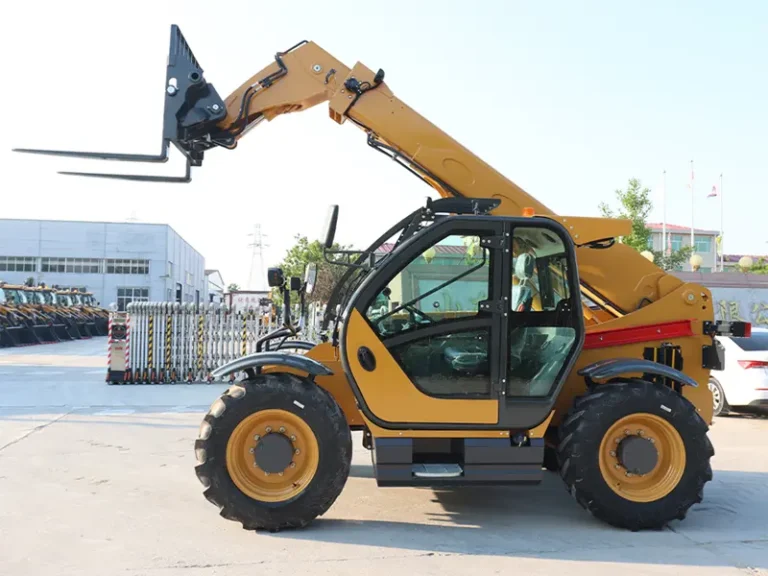
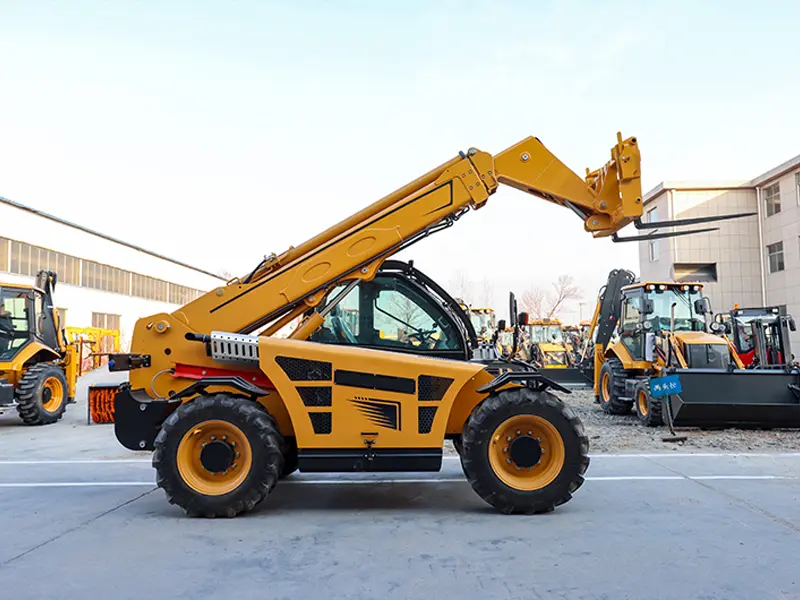
A tele handler, also known as Telescopic Handlers, is a versatile piece of material handling equipment widely used in construction, agriculture, logistics, and industrial projects. Combining the lifting power of a forklift with the reach of a crane, telehandlers are designed to handle heavy loads in challenging environments where traditional equipment may fall short.
What is a tele handler?
A telescopic handler, also known as a telescopic forklift, is one of the most versatile material handling machines widely used in construction, agriculture, and industrial applications. It combines the functions of a forklift, crane, and wheel loader, assisting traditional equipment in lifting, moving, and placing materials in hard-to-reach areas.
Equipped with an extendable boom and a wide range of attachments, the telehandler machine has become an indispensable piece of equipment on modern construction sites, playing a vital role in various operational scenarios.
Key Components of Telescopic Handlers
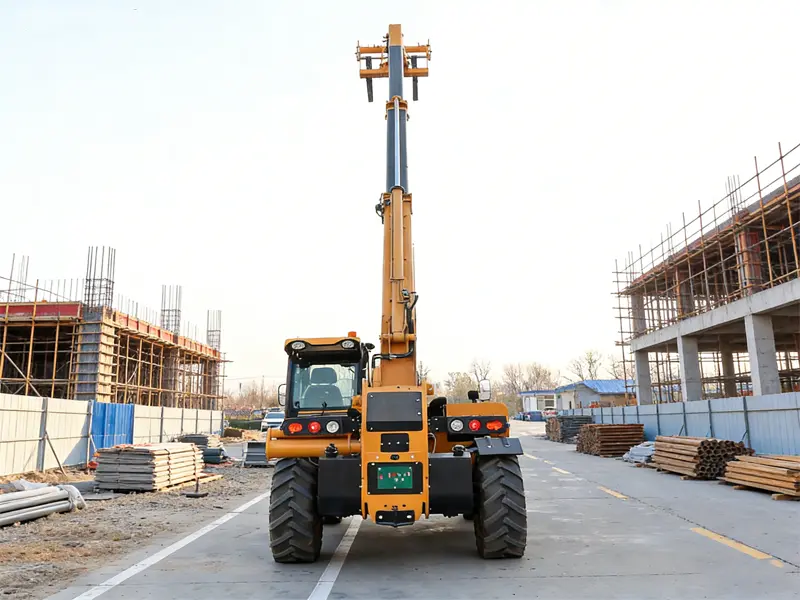
- Telescopic Boom: The extendable boom allows the equipment to reach forward and upward, providing superior lift height and working radius compared to standard forklifts.
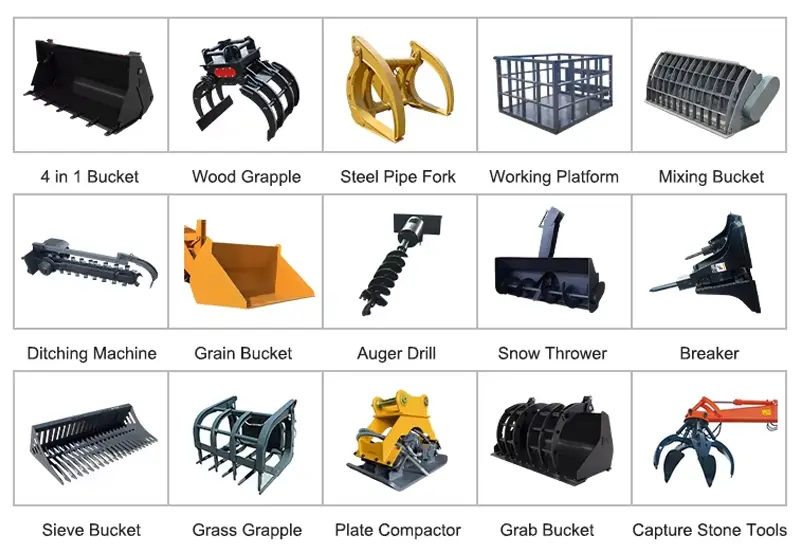
- Attachment System: Telescopic handlers support various attachments like forks, buckets, lifting hooks, and work platforms, enabling a single machine to perform multiple tasks.
- Hydraulic System: A robust hydraulic system controls boom extension, lifting, tilting, and attachment operations with smooth, precise movements.
- Chassis and Drive System: Most telehandlers feature off-road tires and four-wheel drive systems for operation on rugged, muddy terrain.
- Operator Cab: The cab design prioritizes visibility and comfort, equipped with intuitive controls and safety monitoring systems.
How Does a Telehandler Work?
The telescopic boom forklift operates via an engine-driven coordinated hydraulic system. The hydraulic pump generates pressure to extend, retract, and tilt the boom. By controlling the boom angle and extension length, the operator can precisely position cargo at varying heights and distances.
For safety, telescopic handlers rely on load charts specifying maximum lifting capacities at specific boom angles and extension lengths. This prevents tipping and maintains stability during operations.
Telehandler vs Forklift vs Crane
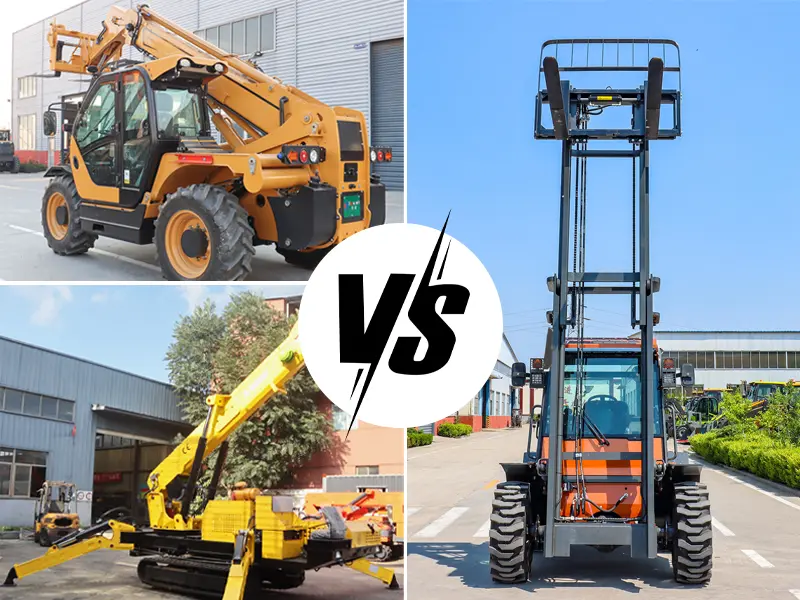
Although telehandlers share similarities with forklifts and cranes, they serve different purposes.
| Equipment | Lifting Height | Reach | Terrain Capability | Typical Use |
| Telehandler | Medium to high | Extended forward reach | Excellent (rough terrain) | Construction, agriculture, and industrial lifting |
| Forklift | Low to medium | Vertical only | Limited | Warehousing, indoor logistics |
| Crane | Very high | Long horizontal reach | Stationary or limited mobility | Heavy construction, infrastructure |
What are the uses of telescopic boom forklifts?
- Construction Industry
Moving bricks or cement pallets: Enables rapid and precise transportation of building materials on construction sites.
Placing materials on upper floors: Telescopic arms lift materials to high levels of buildings for convenient construction.
Transporting heavy equipment on site: Moves heavy machinery and tools to enhance site efficiency. - Agricultural Sector
Handling hay bales and feed: Used to transport large quantities of hay and feed within farms, saving labor.
Loading grain and fertilizer: Facilitates moving grain and fertilizer to storage facilities or loading onto transport vehicles.
Cleaning barns and storage areas: Assists in clearing debris and accumulated materials from farms or barns, maintaining a tidy work environment. - Warehousing and Logistics Industry
Loading/unloading truck cargo: Used in warehouses or ports for rapid bulk commodity handling.
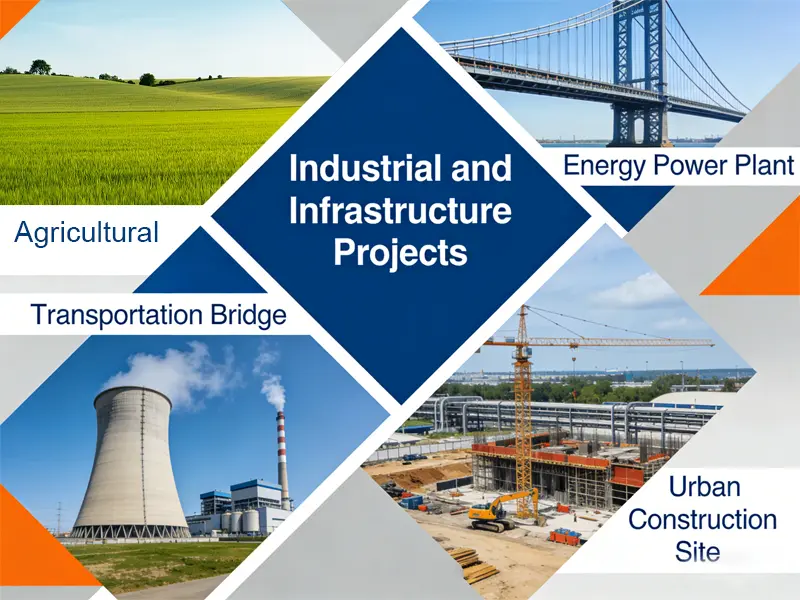
Stacking materials in high-bay storage areas: Telescopic arms enable stacking or retrieving heavy items in elevated warehouses, optimizing space utilization. - Industrial and Infrastructure Projects
Pipeline handling operations: Used to transport and install large pipes, ensuring precise positioning.
Steel positioning and installation: Facilitates the handling and installation of steel components in elevated or difficult-to-reach locations.
High-altitude maintenance operations: Enable inspection and maintenance of elevated equipment, enhancing workplace safety.
Key Advantages of Using a Telehandler
Using a telehandler offers several practical benefits:
- Multi-functional machine with interchangeable attachments
- Greater lifting height and reach compared to forklifts
- Excellent mobility on rough and uneven terrain
- Reduced equipment costs by replacing multiple machines
- Improved job site efficiency and material handling speed
These advantages make telehandlers a cost-effective solution for complex lifting tasks.
Multi-Function Capability
Interchangeable attachments for lifting, loading, and handling
Extended Lifting Height & Reach
Higher and farther reach than standard forklifts
Superior Rough-Terrain Mobility
Stable operation on uneven and challenging ground
Lower Equipment & Operating Costs
One machine replaces multiple handling solutions
Types of Telehandlers
Telescopic handlers offer multiple configurations to meet specific job requirements:
- Compact Telescopic Boom Forklift: A smaller machine designed for confined spaces and light-duty operations.
- Heavy-Duty Telescopic Boom Forklift: Engineered for heavy lifting and large-scale construction projects.
- Fixed Telescopic Boom Forklift: Standard model featuring a fixed cab and telescopic boom.
- Rotating Telescopic Boom Forklift: Equipped with a rotating upper structure for crane-like flexibility and extended reach.
How to Choose the Right Telehandler?
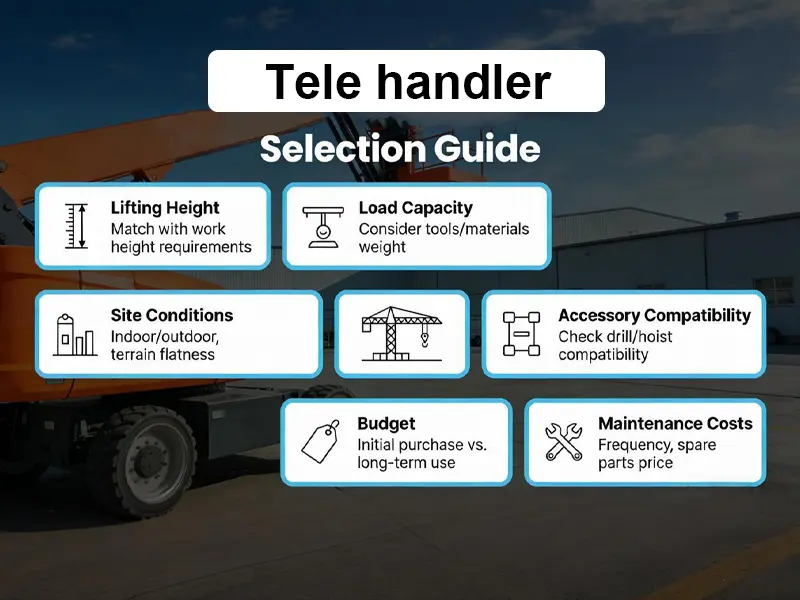
When selecting suitable telehandler equipment, you need to consider the required lifting height and capacity, the conditions of the work site, the compatibility of accessories, as well as the budget and long-term maintenance costs. Choosing a model that meets these requirements will maximize work efficiency and safety.
Conclusion
Telescopic forklifts are powerful and versatile machines that play a vital role in construction, agriculture, and industrial operations. With their powerful hydraulic systems and wide range of attachments, they demonstrate unparalleled versatility in lifting and material handling tasks.
If you are looking for an efficient solution that combines lifting, loading, and positioning capabilities, a telescopic boom forklift is undoubtedly an excellent investment for modern worksites. For any questions, please contact our technical teams.