How to Choose the Right Telehandler (Save Cost & Maximize Efficiency)
Choosing the wrong telehandler can cost more than you think. Many contractors focus only on price, ignoring key factors like lift height, load capacity, and job site conditions. The result? Reduced efficiency, higher operating costs, and even safety risks.
If you’re wondering how to choose a telehandler, the key is to look beyond the upfront price and evaluate real job requirements. From reach capacity to terrain adaptability, every factor directly impacts your project efficiency and long-term costs.
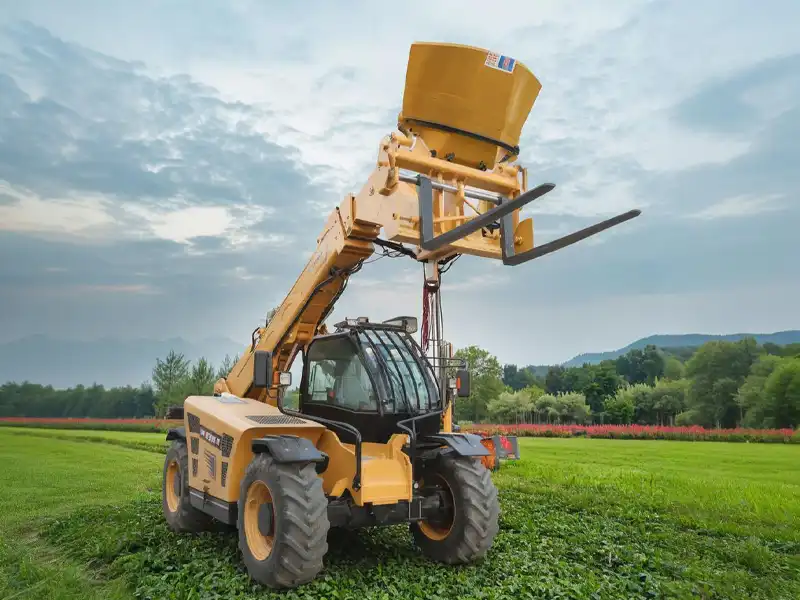
Table of Contents
What Is a Telehandler?
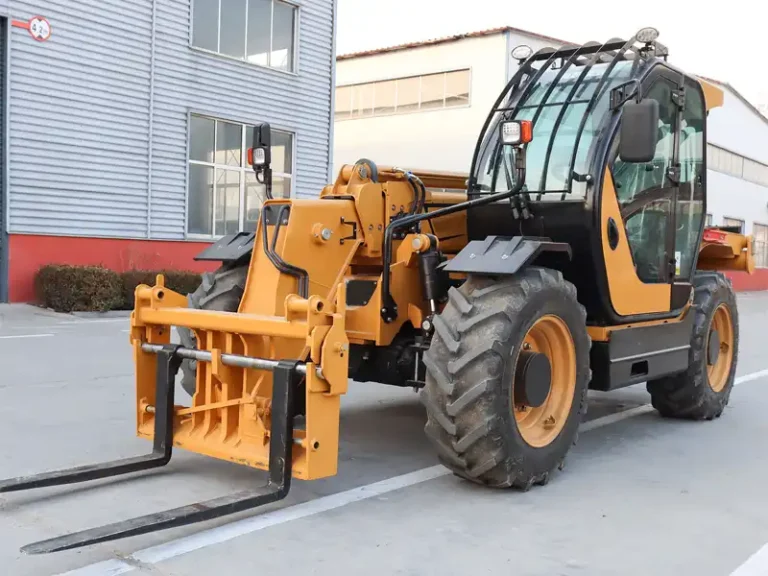
A telehandler, also known as a telescopic handler, is a versatile machine designed for lifting, moving, and placing materials at height. It combines the functionality of a forklift and a crane, making it essential in industries such as construction, agriculture, and logistics.
With various attachments like forks, buckets, and lifting hooks, a telehandler can handle multiple tasks on a single job site.
Why Choosing the Right Telehandler Matters
Selecting the right telehandler is not just about performance—it directly impacts your bottom line.
Key benefits of choosing correctly:
- Lower operating and fuel costs
- Improved job site efficiency
- Increased safety and stability
- Reduced need for additional equipment
On the other hand, an oversized or underpowered machine can lead to wasted budget, downtime, and project delays.
Key Factors to Consider When Choosing a Telehandler (telehandler buying guide)
1. Lift Height Requirements
Lift height is one of the most critical factors. Telehandlers typically range from 6 meters to over 18 meters.
Ask yourself:
- What is the maximum height required on your job site?
- Will you need extra reach for future projects?
Choosing insufficient height limits productivity, while excessive height increases unnecessary costs.
2. Load Capacity
Telehandler capacity usually ranges from 2 to 4 tons or more.
Important considerations:
- Heavier loads require higher capacity machines
- Capacity decreases as lift height increases
- Stability is crucial when handling maximum loads
Always match the machine’s capacity with your actual workload.
3. Job Site Conditions
Your working environment plays a major role in equipment selection.
Consider:
- Rough terrain vs flat surfaces
- Narrow spaces vs open areas
- Indoor vs outdoor operations
For example, compact telehandlers are ideal for confined job sites, while larger models perform better in heavy-duty construction environments.
4. Attachments and Versatility
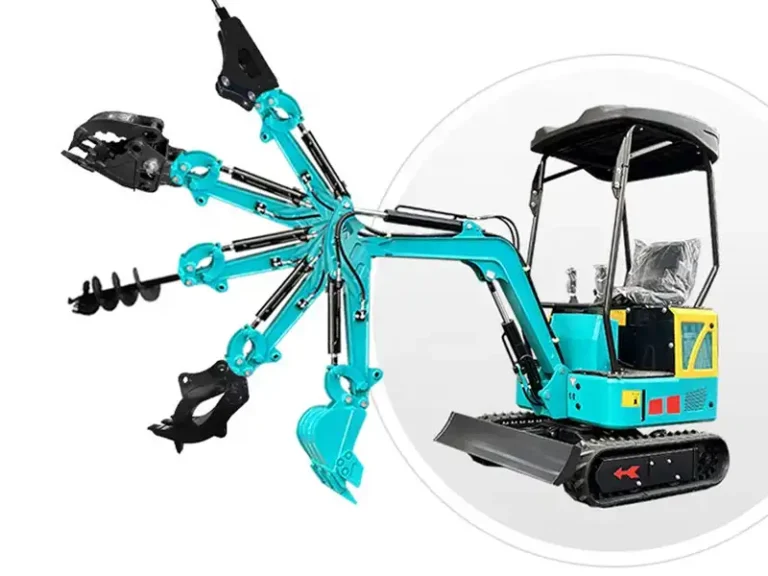
One of the biggest advantages of a telehandler is its compatibility with multiple attachments.
Common telehandler attachments include:
- Forks (for pallet handling)
- Buckets (for material loading)
- Lifting hooks (for heavy lifting)
Choosing the right attachments can significantly improve efficiency and reduce the need for additional machines.
5. Engine Power and Fuel Efficiency
Fuel consumption directly affects your long-term costs.
Options include:
- Diesel engines (high power, ideal for heavy-duty work)
- Electric models (lower emissions, suitable for indoor use)
If your projects run daily, fuel efficiency should be a top priority.
6. Budget and Total Cost
Don’t just focus on the purchase price—consider the total cost of ownership.
Include:
- Initial purchase cost
- Fuel consumption
- Maintenance and servicing
- Spare parts availability
A slightly higher upfront investment often leads to lower long-term costs.
Types of Telehandlers
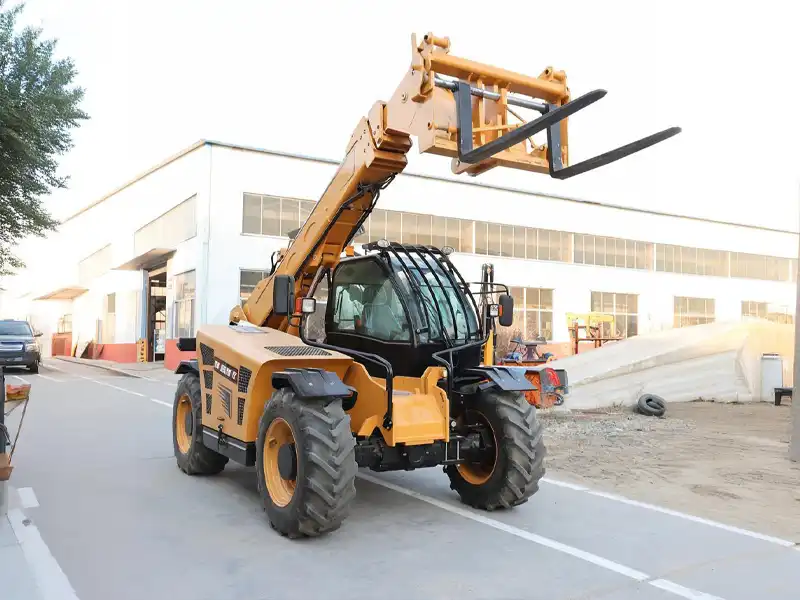
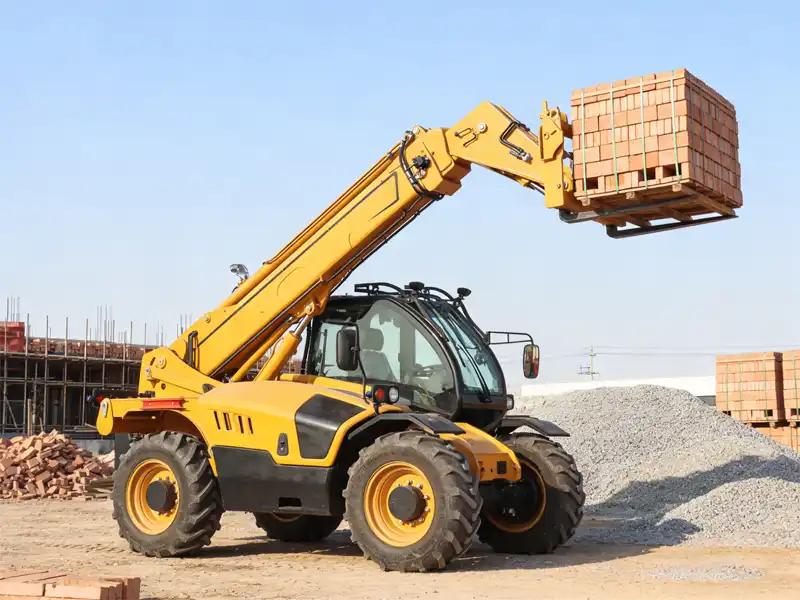
Fixed Telehandlers
Standard models used in most construction and agricultural applications.
Compact Telehandlers
Designed for small job sites with limited space but still require flexibility.
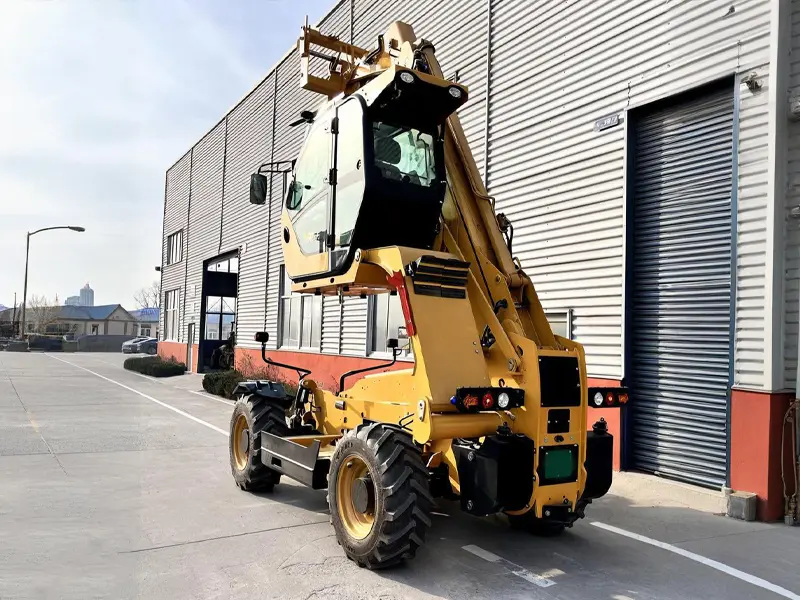
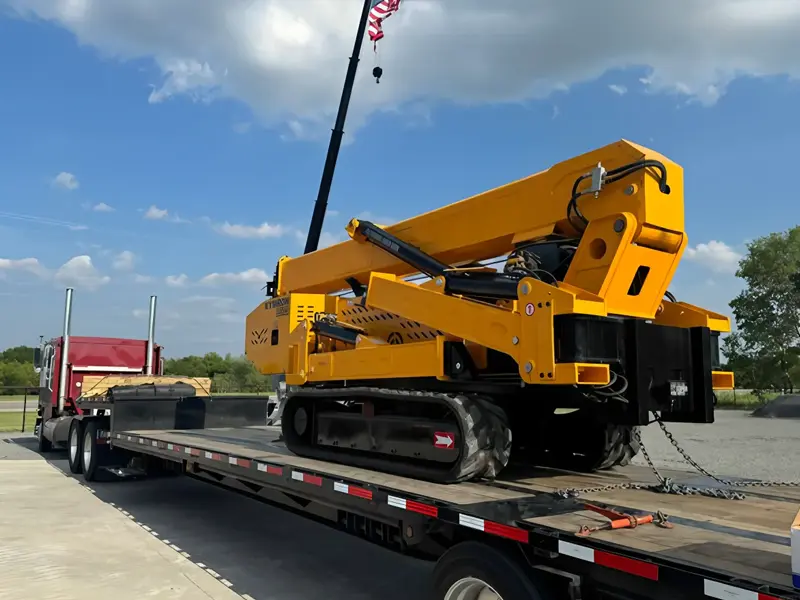
Rotating Telehandlers
Offer 360-degree rotation, ideal for complex lifting tasks and tight spaces.
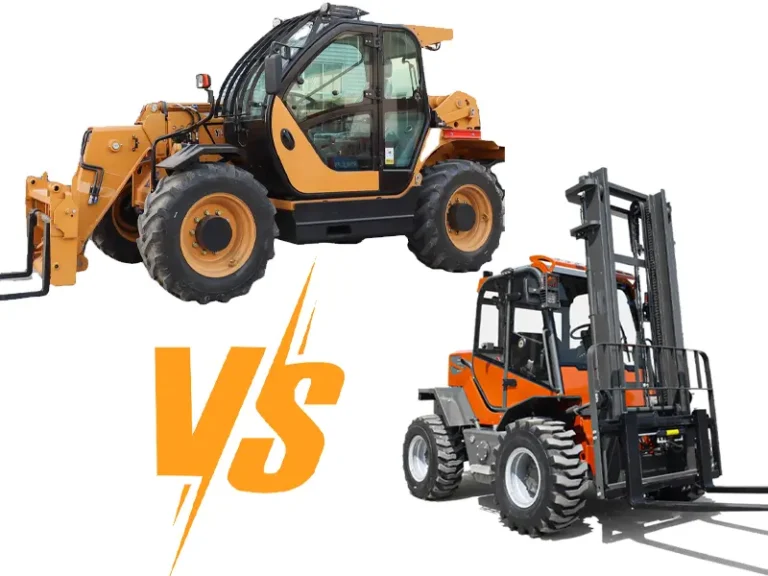
Telehandler vs Forklift vs Crane
| Comparison | Telehandler | Forklift | Crane |
|---|---|---|---|
| Core Function | Multi-purpose lifting and material handling with extended reach | Basic material handling and short-distance transport | Heavy lifting for large-scale or high-rise projects |
| Reach Capability | High reach with telescopic boom | Limited, short vertical lift only | Very high lifting height depending on crane type |
| Versatility | Highly versatile (can use multiple attachments) | Low versatility, mainly pallet handling | Low versatility, specialized lifting operations |
| Best Use Case | Construction sites, agriculture, uneven terrain | Warehouses, factories, logistics centers | Infrastructure projects, skyscrapers, heavy industrial lifting |
| Mobility | Good off-road mobility | Best on flat, smooth surfaces | Limited mobility, usually stationary or semi-mobile |
| Cost Efficiency | More cost-effective for multi-task operations | Most economical for simple tasks | High cost, suitable for heavy-duty specialized work |
Common Mistakes to Avoid When Buying a Telehandler
Making the wrong decision can lead to inefficiency and increased operating costs.
Choosing based only on price
Ignoring job site conditions
Underestimating lift height or capacity needs
Not considering attachments
Overbuying unnecessary features
How to Choose the Right Telehandler for Your Industry
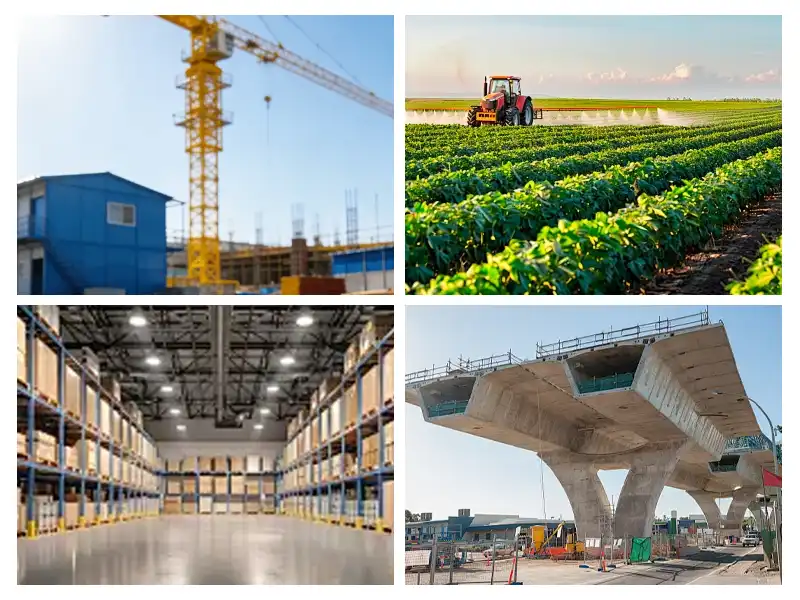
Telescopic handlers are used in a variety of industries:
- Construction
- Requires high lift height, durability, and strong load capacity.
- Agriculture
- Focus on versatility and attachment compatibility.
- Warehousing
- Compact size and maneuverability are key factors.
Tips to Maximize Telehandler Efficiency
- Use the right attachments for each task
- Perform regular maintenance
- Train operators properly
- Match machine specifications to job requirements
Efficient use of a telehandler can significantly increase productivity and reduce downtime.
Get the Right Telehandler for Your Project
Choosing the right telehandler doesn’t have to be complicated. With the right knowledge, you can reduce costs, improve efficiency, and complete projects faster.
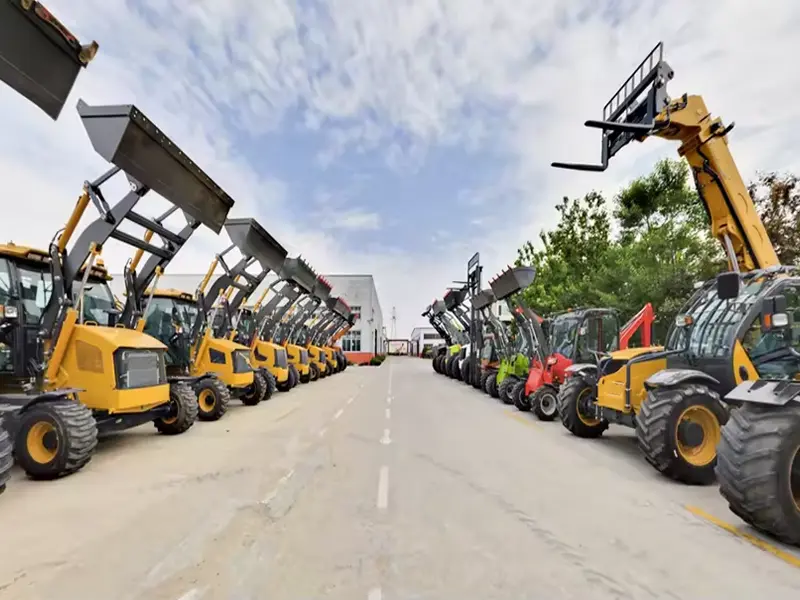
Looking for a reliable telehandler?
Our team can help you select the best model based on your project requirements.
Contact us today to get a quote or expert recommendation.
FAQs
conclusion
Choosing the right telehandler is not just a purchasing decision—it is a long-term investment in efficiency, safety, and cost control. By carefully evaluating key factors such as lift height, load capacity, job site conditions, and attachments, you can ensure that the equipment perfectly matches your project requirements.
A well-chosen telehandler can significantly reduce operational costs, improve on-site productivity, and minimize equipment downtime. On the other hand, the wrong choice may lead to unnecessary expenses and reduced performance.
If you are unsure which telehandler is best for your project, working with an experienced supplier can help you make the right decision from the start.