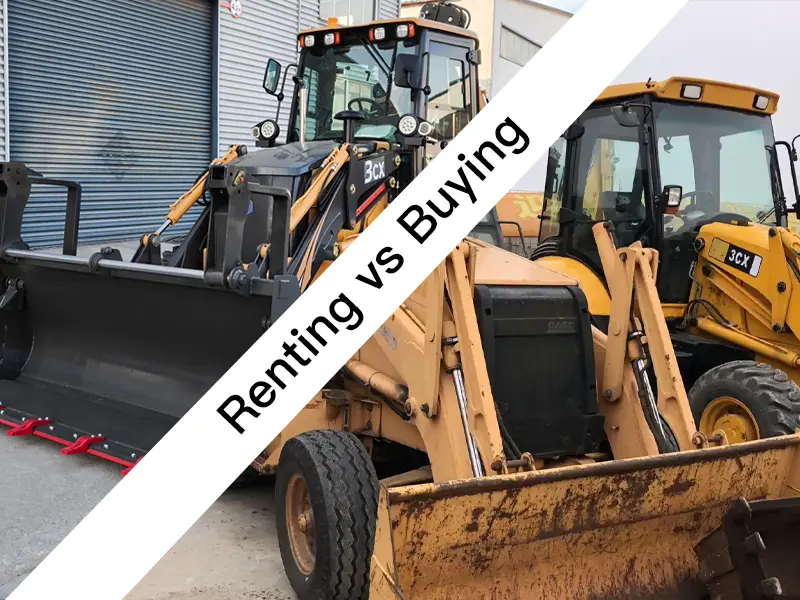
Backhoe Loader Rental vs Purchase: Which Is Right for Your Project?
In today’s construction industry, an increasing number of contractors find themselves torn between renting and purchasing backhoe loaders. On one hand, mounting project budget pressures are driving companies toward more flexible equipment strategies; on the other, long-term construction needs make equipment ownership appear more appealing. The diversity of project types, construction timelines, and financial circumstances means “rent or buy a backhoe loader” remains a question without a universal answer. For many construction firms, whether to treat it as a long-term construction equipment investment often hinges on project phases and future planning. Thus, the core question becomes clear: Should you rent or buy a backhoe loader?
This guide compares backhoe loader rental vs purchase to help you determine which option best fits your project requirements and business goals.
What Is a Backhoe Loader and Why Is It So Popular?
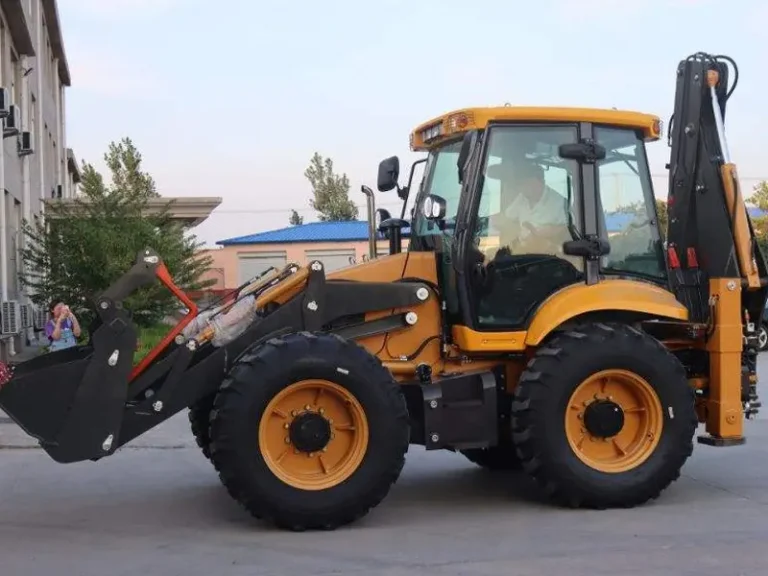
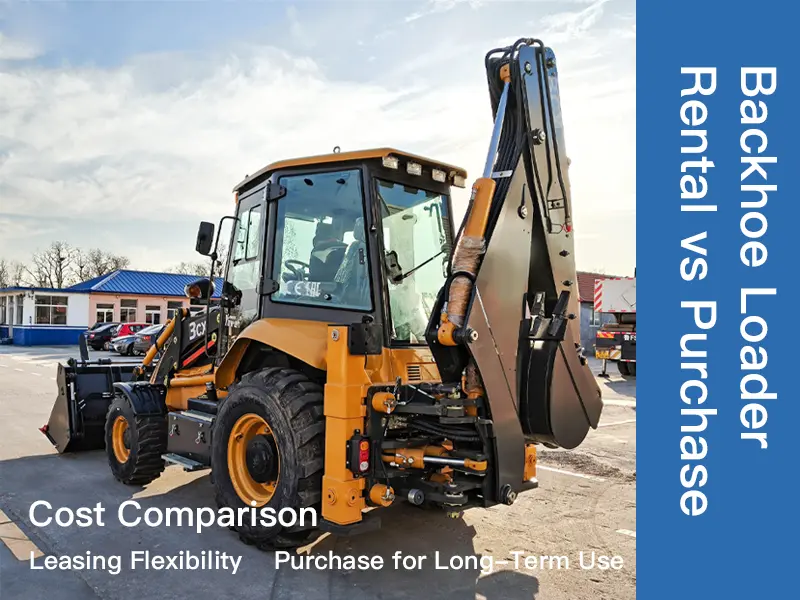
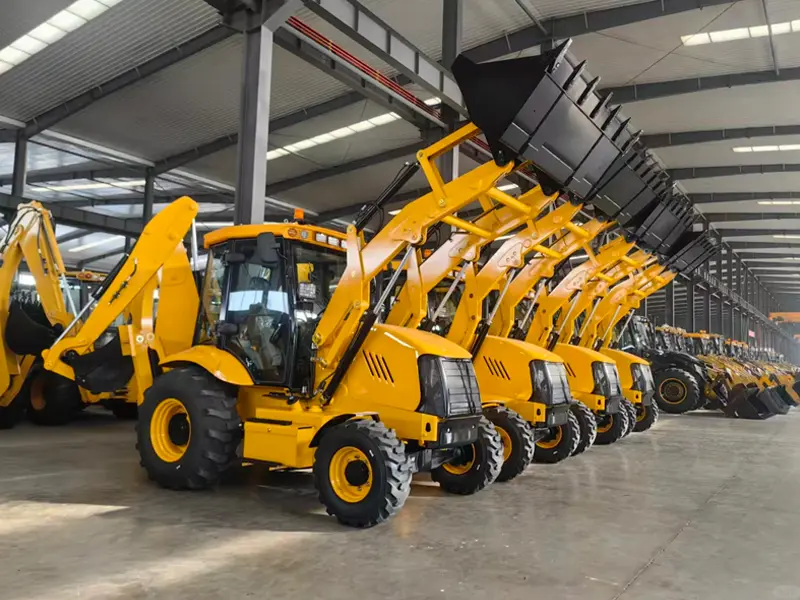
A backhoe loader integrates a front loader bucket and a rear excavator arm, allowing operators to perform multiple tasks without switching machines. Because of its flexibility and compact working footprint, it is widely used by contractors managing medium and small-scale projects.
One Machine, Multiple Functions
One of the biggest advantages of a backhoe loader is its multi-purpose capability. With interchangeable attachments and a compact structure, it can perform tasks that would otherwise require multiple machines. This makes it especially valuable for projects with limited space, tight timelines, or controlled budgets.
Key advantages include:
- Loading and transporting materials
- Excavation and trenching
- Light demolition work
- Site cleanup and leveling
Common Applications of Backhoe Loaders
Because of their flexibility, backhoe loaders are used across a wide range of industries and project types.
1. Municipal Engineering
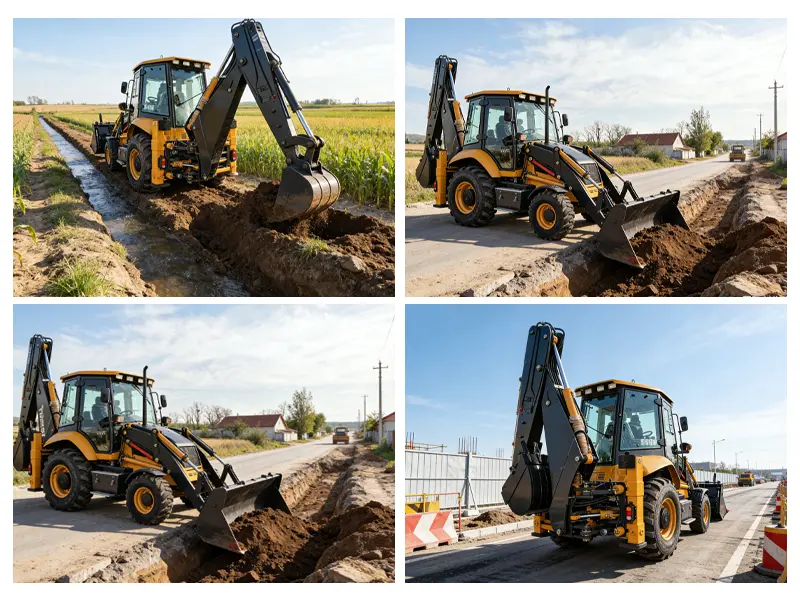
Backhoe loaders are commonly used in urban infrastructure projects such as drainage installation, sidewalk repair, and utility maintenance. Their compact size makes them ideal for working in dense city environments.
2. Road Construction
In roadwork projects, they assist with trench digging, debris removal, shoulder grading, and material handling. They are particularly useful in medium-scale road maintenance and rural highway construction.
3. Agricultural Projects
Farm operators rely on backhoe loaders for irrigation trenching, land clearing, fence installation, and moving feed or soil. Their adaptability makes them popular on mixed-use farms.
4. Pipeline and Utility Installation
Backhoe loaders are widely used for digging narrow trenches required for water lines, gas pipelines, and underground cables. Precision digging is a major advantage in these applications.
5. Small-Scale Foundation Work
For residential construction and light commercial projects, backhoe loaders are frequently used in foundation excavation, site preparation, and material loading.
Advantages of Renting a Backhoe Loader
Renting construction equipment has become increasingly common, especially for short-term operations.
- Lower Initial Investment
Renting eliminates the need for large upfront capital expenditure, making it attractive for companies with limited budgets or temporary workload increases. - Ideal for Short-Term Projects
If your project lasts only a few weeks or months, rental allows access to equipment without a long-term financial commitment. - Reduced Maintenance Responsibility
Most rental providers handle servicing, repairs, and inspections, reducing operational management pressure. - Access to Different Models
Contractors can select different machine sizes depending on changing project requirements.
Disadvantages of Renting
Despite flexibility, rental may not always be the most economical solution. For companies with continuous workloads, rental expenses can eventually exceed purchase costs.
- Long-term rental costs accumulate quickly
- Equipment availability may be limited during peak seasons
- Usage hour restrictions may apply
- No asset ownership or resale value
Benefits of Buying a Backhoe Loader
Purchasing equipment is often the preferred strategy for contractors with stable project pipelines.
- Lower Long-Term Operating Cost
While initial investment is higher, ownership significantly reduces the cost per working hour over time. - Immediate Equipment Availability
Owning your machine eliminates scheduling conflicts and rental delays, improving project efficiency. - Customization Options
Buying directly from a manufacturer allows you to customize the backhoe loader to match specific working conditions and project demands. This includes selecting the right attachment configurations, choosing suitable engine power options, adapting the machine for different climates and terrains, and upgrading hydraulic performance for more demanding tasks. Such customization ensures better efficiency, durability, and long-term value compared to standard off-the-shelf models. - Asset Value and Business Growth
A purchased backhoe loader becomes a company asset that contributes to long-term financial stability.
Challenges to Consider Before Purchasing
While owning a backhoe loader offers long-term benefits, it also comes with several challenges that contractors should carefully evaluate before making a purchase.
- High Upfront Investment
Buying a backhoe loader requires a significant initial capital outlay. For small to mid-sized contractors, this can put pressure on cash flow and limit budget flexibility for other project needs. - Ongoing Maintenance Responsibility
Ownership means full responsibility for maintenance, repairs, and parts replacement. Regular servicing is essential to keep the machine operating efficiently, which adds to long-term operating costs. - Storage and Transportation Costs
Unlike rentals, owned equipment requires secure storage when not in use. Additionally, transporting the machine between job sites can involve extra logistics costs, especially for companies handling multiple projects. - Operator Training Requirements
To maximize performance and safety, trained operators are essential. Investing in proper training or hiring skilled operators adds another layer of cost and management responsibility.
Cost Comparison: Renting vs Buying
| Factor | Renting | Buying |
|---|---|---|
| Initial Cost | Low | High |
| Long-Term Cost | High | Lower |
| Maintenance | Included | Owner Managed |
| Availability | Limited | Always Available |
| Asset Ownership | No | Yes |
| Customization | Limited | Full Customization |
In general, projects lasting longer than 12–18 months often justify purchasing equipment.
When Renting Makes More Sense
Renting is usually the better option when:
- Projects are short-term or seasonal
- Equipment demand is unpredictable
- Companies are testing new markets
- Capital investment must remain minimal
When Buying Is the Better Investment
Purchasing is ideal for businesses that:
- Operate multiple ongoing projects
- Require frequent equipment usage
- Want to reduce long-term operating costs
- Need customized machinery solutions
- Plan long-term expansion
How to Choose the Right loader with backhoe
Working directly with an experienced manufacturer can help match equipment specifications to real project needs.
Before deciding, evaluate:
- Required digging depth and loading capacity
- Jobsite terrain conditions
- Attachment compatibility
- Fuel efficiency and maintenance access
- Operator comfort and safety features
Why Buying Directly From a Manufacturer Offers Greater Value
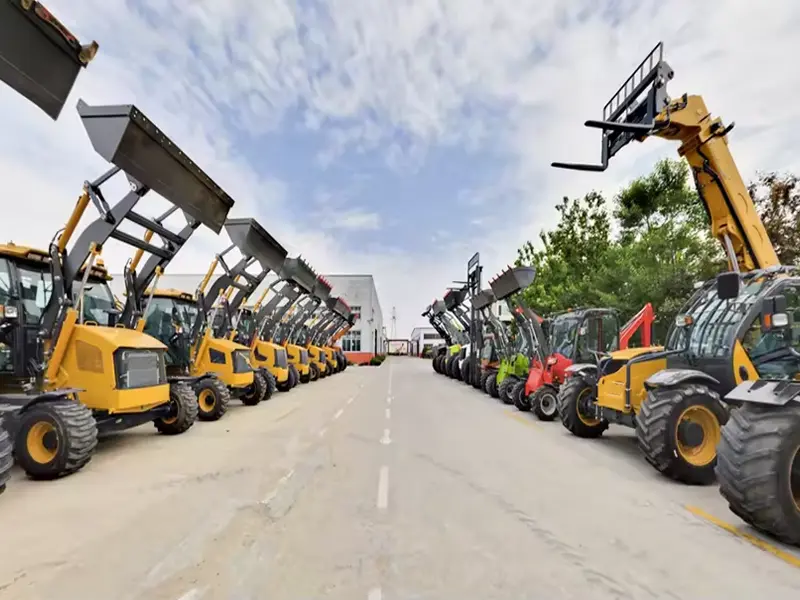
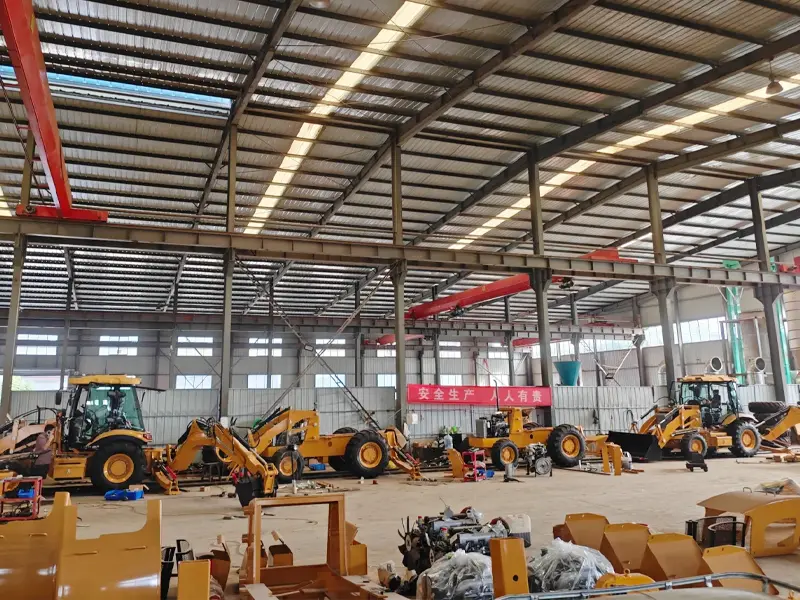
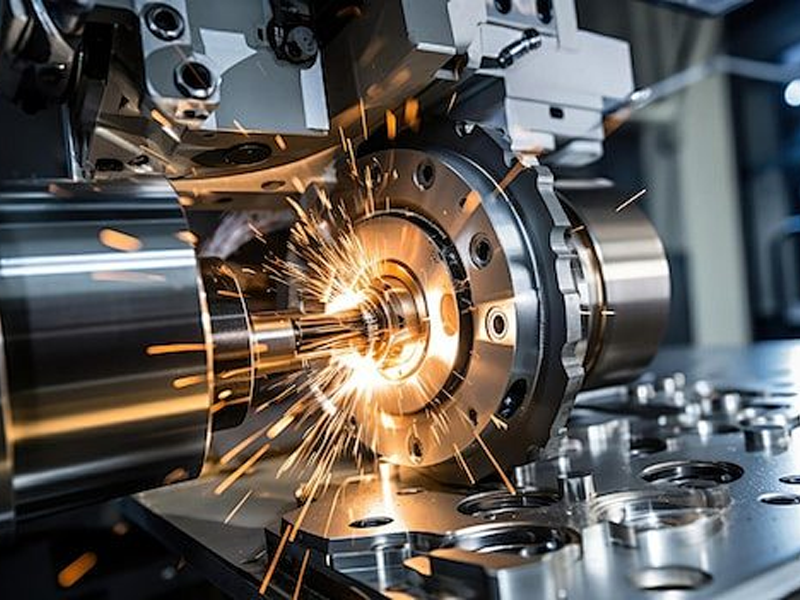
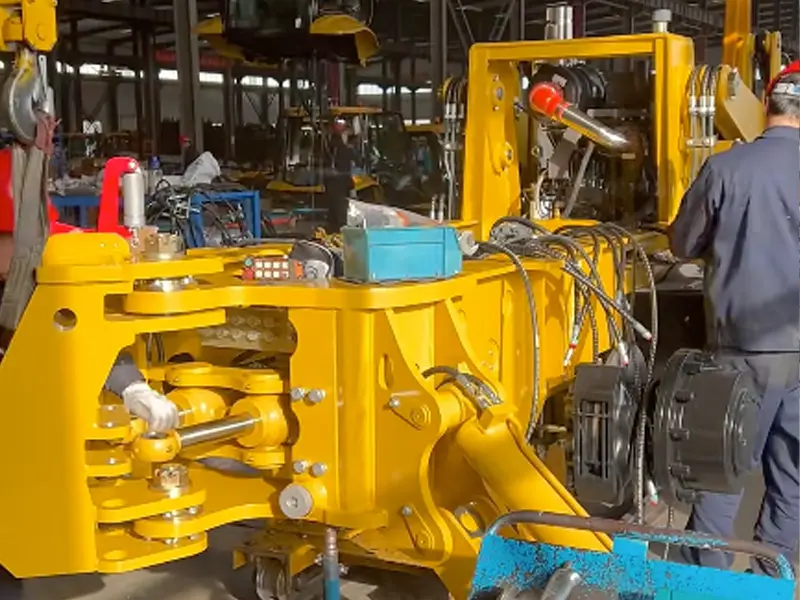
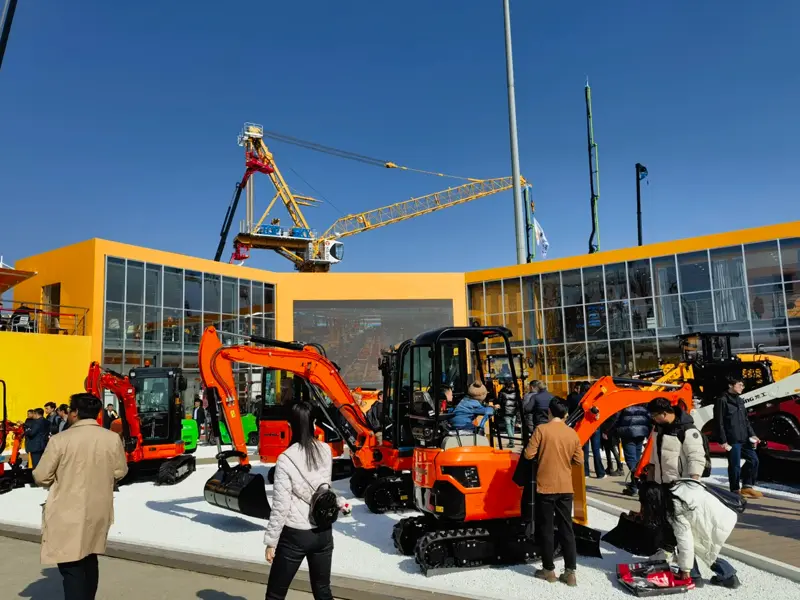
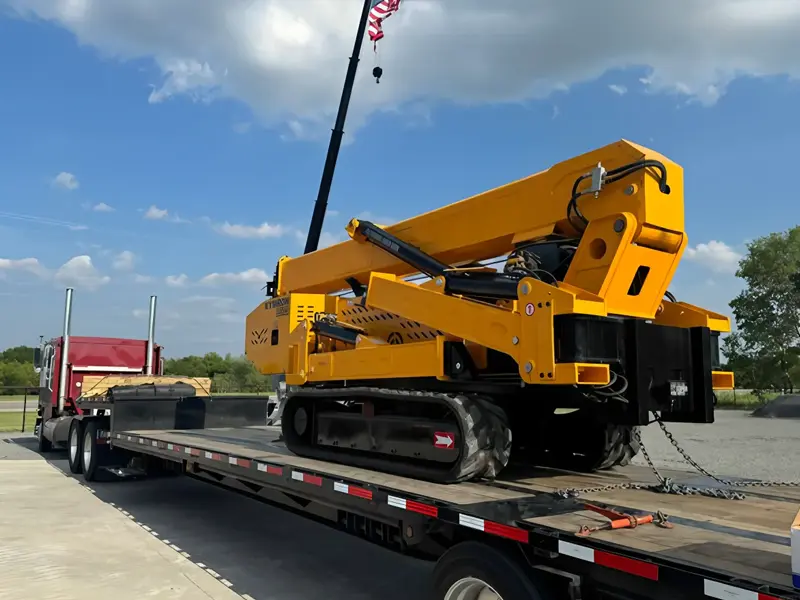
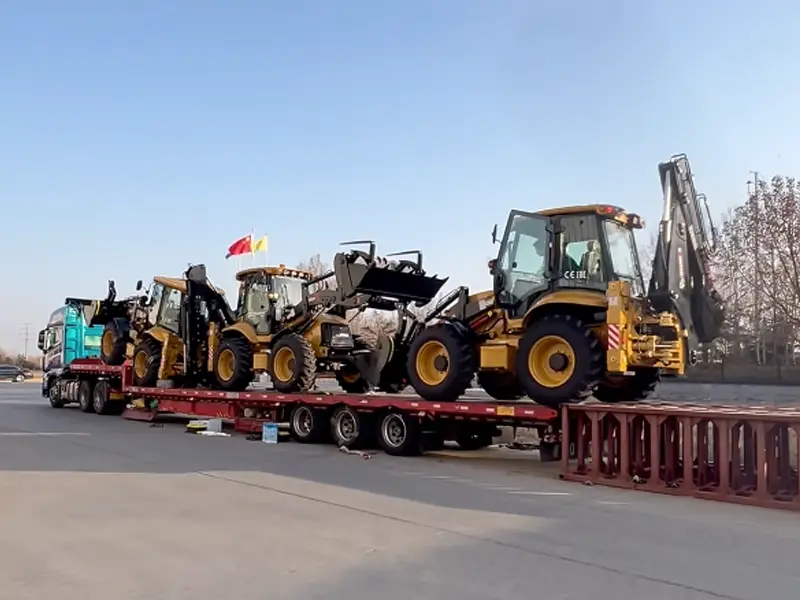
Buying directly from a professional manufacturer offers greater long-term value compared to purchasing through intermediaries. Factory-direct sourcing typically provides more competitive pricing by eliminating dealer markups, while also giving contractors access to custom engineering solutions tailored to specific project requirements. In addition, manufacturers can ensure a reliable spare parts supply, dedicated technical support, and structured operator training. For international buyers, experienced manufacturers also provide streamlined global export and logistics services. Ultimately, choosing a trusted manufacturer enhances operational reliability and helps reduce total lifecycle costs over the long term.
FAQs
conclusion
There is no universal answer when comparing backhoe loader rental vs purchase.
Renting offers flexibility and low initial risk.
Buying delivers long-term savings, operational control, and asset value.
If you are an engineering contractor, logistics company, or large-scale farm with high equipment usage frequency and extended operational cycles, purchasing vehicles is more cost-effective. If you are a small construction crew, engage in seasonal operations, or require only temporary equipment supplementation, renting vehicles offers greater flexibility and safety.
If you are evaluating equipment options for an upcoming project, consulting directly with a manufacturer can help you select the most cost-effective configuration.
Contact our team today to receive professional recommendations and a competitive factory-direct quotation.