How to Choose a Backhoe Loader: A Comprehensive Guide
In the realm of heavy machinery, the backhoe loader stands as one of the most versatile and indispensable pieces of equipment for construction, landscaping, and agricultural operations. Whether building roads, digging trenches, or clearing land, it offers solutions across multiple industries. But how do you select the right model for your specific needs? This article will detail the key factors to consider when choosing the ideal backhoe loader for your project.
What Is a Backhoe Loader and Why Choosing the Right One Matters
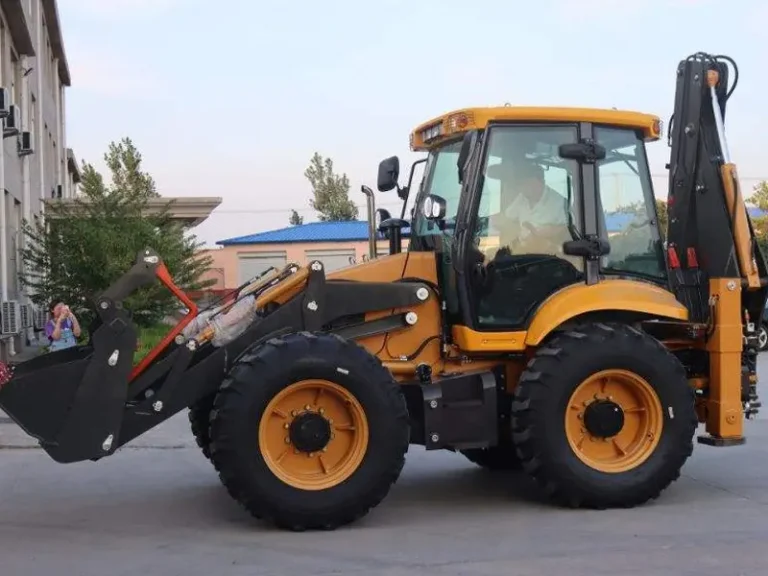
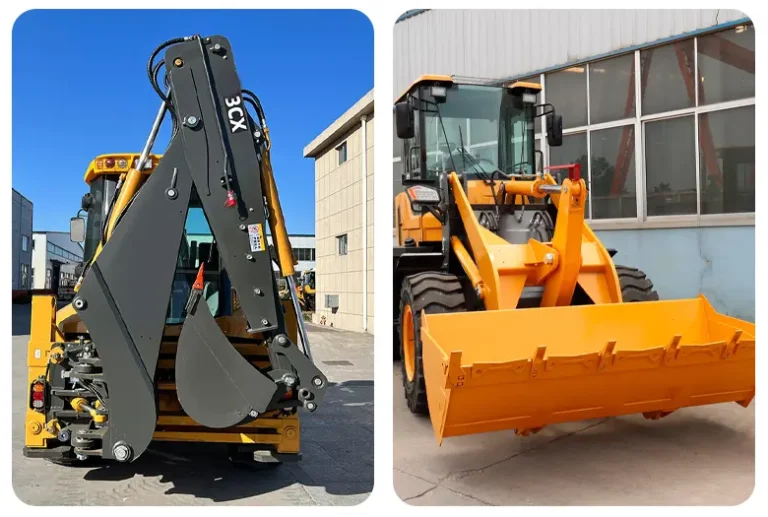
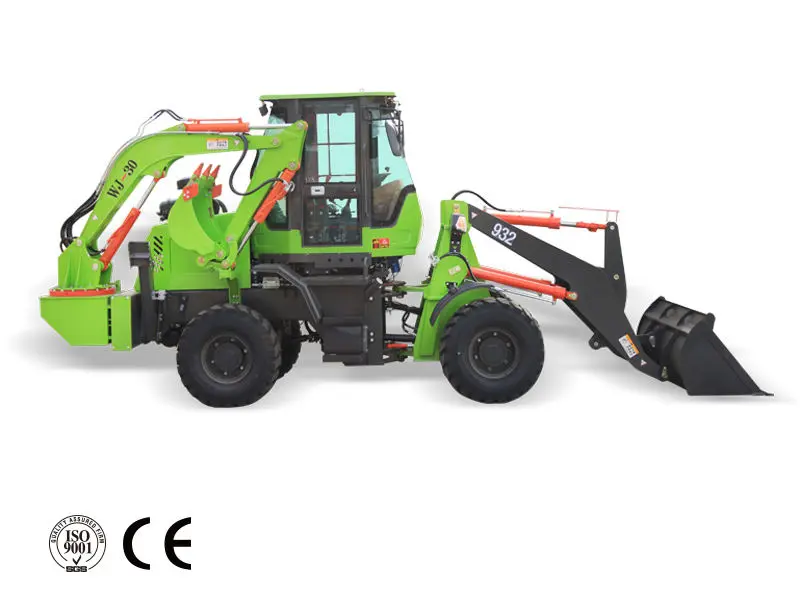
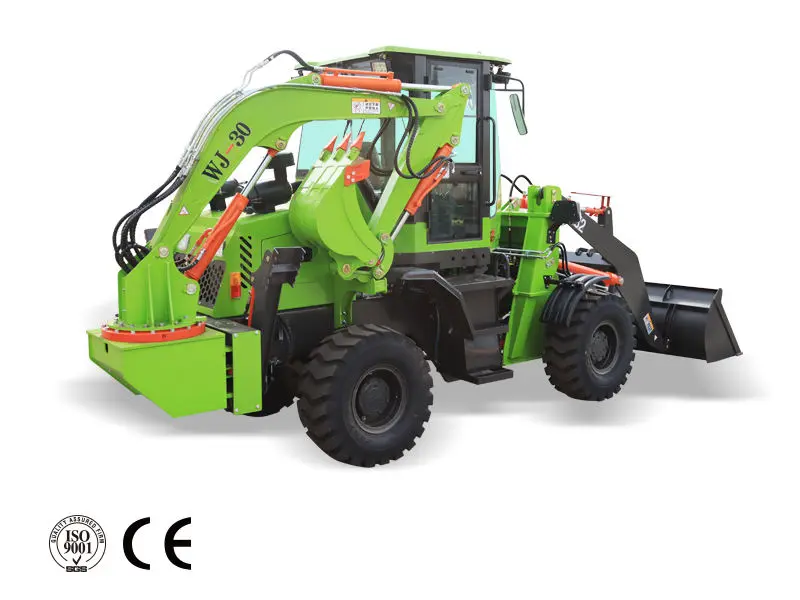
A backhoe loader is a versatile construction machine combining a front loader bucket and a rear digging arm. It is widely used for excavation, trenching, material handling, roadwork, agriculture, and municipal projects.
Because this machine performs multiple roles, choosing the wrong configuration can reduce job efficiency, increase fuel consumption and maintenance costs, and limit overall project capability, which is why understanding the key selection factors is essential before making a purchase.
1. Understand Your Project Requirements
Before choosing a backhoe loader, it’s crucial to understand your project’s specific needs. Consider the following factors:
- Job Size: Are you working on a large construction site, or are you handling smaller, residential projects? The size of your job will determine the machine’s horsepower and size requirements.
- Terrain: Are you working on rough, uneven ground or smooth, flat surfaces? Some backhoe loaders are better suited for rugged terrain, while others perform better on smooth surfaces.
- Type of Work: Are you using the loader for digging, lifting, trenching, or material handling? Each task may require a different type of machine with specific capabilities.
2. Choose the Right Wheel Backhoe Loader Size
Wheel Backhoe loaders come in various sizes, and choosing the right one depends largely on the scale and intensity of your work.
| Category | Best For | Advantages |
|---|---|---|
| Compact Backhoe Loaders | Urban construction, narrow job sites, and landscaping projects | Easy maneuverability, lower fuel consumption, and easier transportation |
| Medium Size Models | General construction, municipal engineering, and rental fleets | Balanced power and efficiency, multi-purpose capability |
| Large Backhoe Loaders | Heavy-duty excavation, infrastructure projects, and continuous operation environments | Greater digging depth, higher lifting capacity |
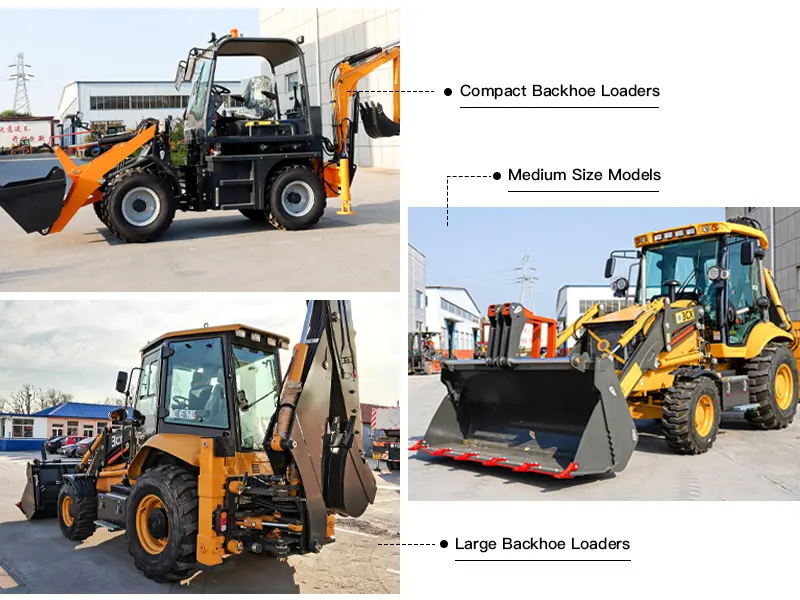
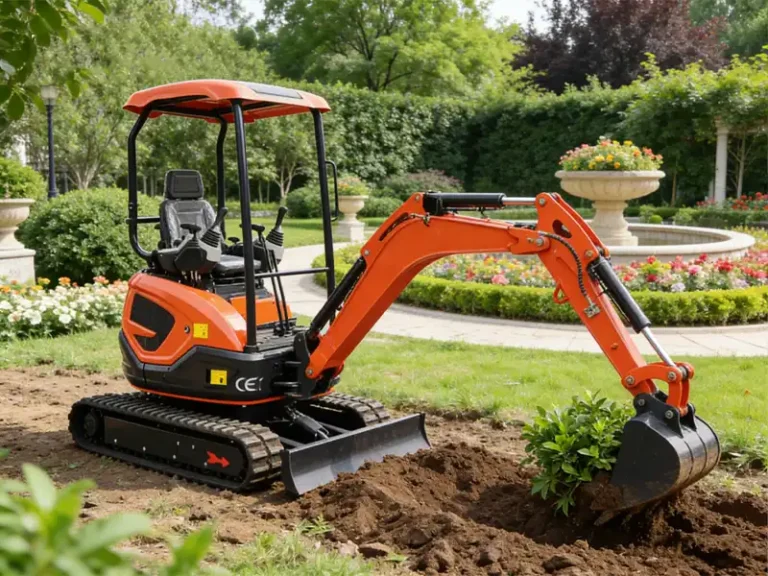
- Mini Backhoe Loader: These are ideal for light-duty jobs, such as landscaping or small trenching jobs. They are easier to maneuver and are often preferred for residential construction or tight spaces.
- Medium Backhoe Loader: Perfect for mid-size projects like utility work or road repairs, medium-sized loaders offer a good balance between power and maneuverability.
- Large Backhoe Loader: Designed for heavy-duty construction work, such as large-scale excavation, road construction, and major landscaping projects. These machines offer higher horsepower and larger buckets, making them suitable for demanding tasks.
3. Engine Power and Hydraulic Performance
Engine horsepower directly affects digging force, lifting capacity, and attachment performance.
When evaluating engine performance, consider:
- Horsepower range (typically 74–110 HP)
- Torque output for heavy digging
- Fuel efficiency under load
- Emission compliance for your market
Hydraulic system quality is equally important. A strong hydraulic system ensures smoother operation and faster cycle times, improving productivity.
2WD vs 4WD: Which One Should You Select?
| Features | 2WD Backhoe Loader | 4WD Backhoe Loader |
|---|---|---|
| Drive type | Rear-wheel drive only or front-wheel drive | All four wheels are driven simultaneously |
| Traction and Stability | Performs well on flat, hard, or dry surfaces, but is prone to slipping in mud, snow, slopes, or soft terrain | Significantly enhanced traction and stability, particularly in challenging terrain, effectively preventing wheel spin and improving operational safety |
| Passability | Suitable for conventional construction sites, urban roads, and light-duty operations | Exceptional off-road capability, ideal for complex environments like mountains, wetlands, and unpaved terrain |
| Fuel Efficiency | More fuel-efficient, featuring a simpler drivetrain with minimal energy loss | Higher fuel consumption due to a more complex drivetrain; additional differentials and transfer cases increase power loss |
| Purchase and Maintenance Costs | Lower initial purchase price and maintenance costs, simpler structure with fewer components | Higher purchase and maintenance costs, and more complex systems mean more potential repair points. |
| Operational Efficiency | High efficiency on flat terrain with rapid transfer speeds | Greater stability in complex terrain, reducing downtime from slippage, though travel speeds may be slightly lower |
For most routine municipal, landscaping, and urban construction projects, 2WD backhoe loaders are an economical and efficient choice. However, if your work frequently involves muddy, hilly, snowy, or rugged terrain, then the enhanced safety and operational continuity offered by 4WD backhoe loaders make them a more worthwhile investment.
Attachment Compatibility and Versatility
1. Consider the Machine’s Lift Capacity
Lift capacity is a key factor in determining which backhoe loader is best for your needs. If your job involves lifting heavy loads, such as large materials or equipment, you’ll need a backhoe loader with a higher lift capacity. You can usually find this information in the machine’s specifications.
2. Evaluate the Digging Depth and Reach
Another important feature of a backhoe loader is its digging depth and reach. Depending on the depth of the trench or hole you need to dig, you’ll want a machine with an adequate reach.
- Standard Digging Depth: Most backhoe loaders offer a standard digging depth ranging from 14 to 16 feet. However, if you need to dig deeper, you may need a high-performance model or one with extended reach.
- Reach and Extension: Some models come with a long reach, ideal for digging in deep trenches or working at a distance from the machine.
3. Check the Hydraulic System
The hydraulic system is essential for the operation of the backhoe loader. A more powerful hydraulic system will provide better lifting and digging performance. Look for machines with high-flow hydraulics, especially if your work involves lifting heavy materials or operating attachments like augers, breakers, or grapples.
Operator Comfort and Safety Features
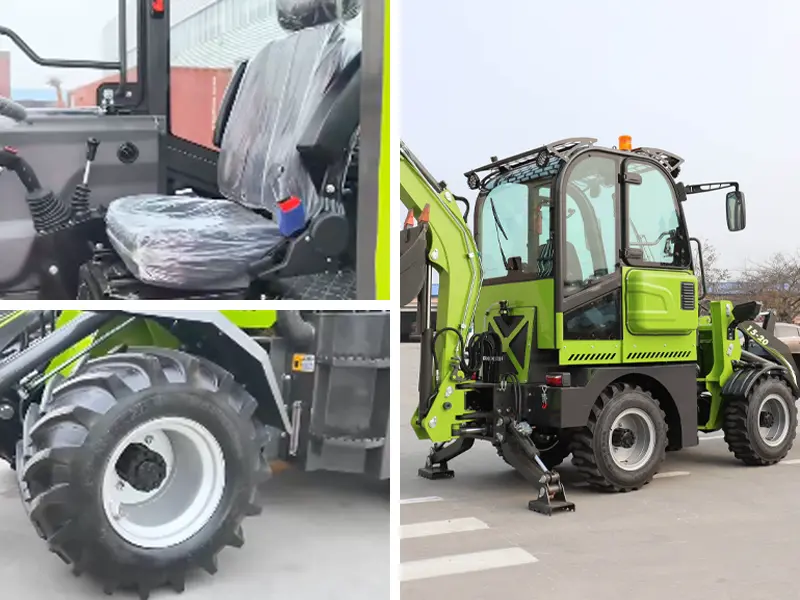
A comfortable operator leads to increased productivity and fewer errors. When selecting a backhoe loader, pay attention to the following:
- Ergonomic cab design
- Adjustable suspension seat
- Wide visibility
- Easy control layout
- Air conditioning and low noise levels
- ROPS/FOPS safety protection
Maintenance and Support
Routine maintenance is essential to keep your backhoe loader running smoothly and minimize downtime. Consider the following when choosing a machine:
- Serviceability: Check how easy it is to access critical components for maintenance. Machines with easily accessible filters, belts, and fluids can save you time and money on repairs.
- Brand Reputation: Opt for well-known brands that offer reliable after-sales service and warranty packages. Leading brands often provide extensive networks of authorized service centers, making maintenance and repairs easier.
Budget and Financing Options
Finally, consider your budget. Backhoe loaders can be a significant investment, so it’s essential to assess your financial situation and determine how much you’re willing to spend. You may also want to explore financing options such as:
- Loans: Many dealers offer loans with flexible terms, allowing you to pay off the equipment over time.
- Leasing: If you only need a backhoe loader for a short-term project, leasing might be a cost-effective option.
- Used Equipment: If your budget is tight, consider buying a used or refurbished backhoe loader. Many dealers offer high-quality used machines that are in great condition.
Choose a Reliable Manufacturer and Supplier
Selecting a reliable and experienced manufacturer ensures consistent product quality. Xuexiao Machinery offers flexible custom configuration options, faster delivery times, and professional after-sales support, thereby helping to maximize long-term value and operational reliability.
Common Mistakes When Choosing a Loader with backhoe
Avoid these frequent buying errors:
- Choosing oversized machines for small jobs
- Ignoring hydraulic performance
- Overlooking attachment compatibility
- Focusing only on price
- Not considering service support
FAQs
conclusion
Choosing the right backhoe loader requires balancing performance, application needs, operating cost, and supplier reliability. By carefully evaluating machine size, power, hydraulic capability, and long-term value, businesses can maximize productivity while minimizing investment risks.
If you are planning to purchase a backhoe loader for construction, agriculture, or infrastructure projects, consulting with an experienced manufacturer can help you configure the ideal solution for your specific working conditions.