What Is a Skid Steer Loader?
If you’re searching for a compact yet powerful machine that can handle loading, grading, lifting, and material handling in tight job sites, a skid steer loader may be exactly what you need.
In this complete guide, we’ll explain: what’s a skid steer loader, how it works, its applications, available attachments, technical specifications, and how to choose the right model for your project.
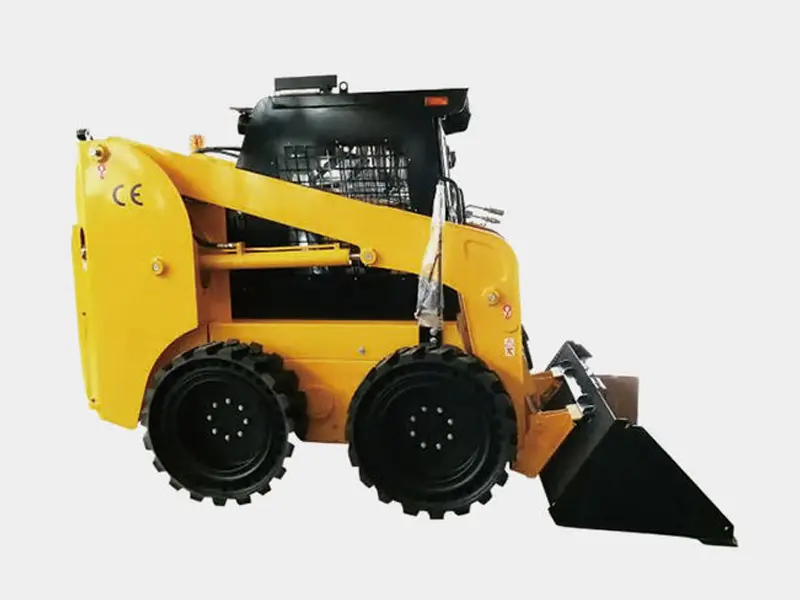
Table of Contents
What Is a Skid Steer Loader?
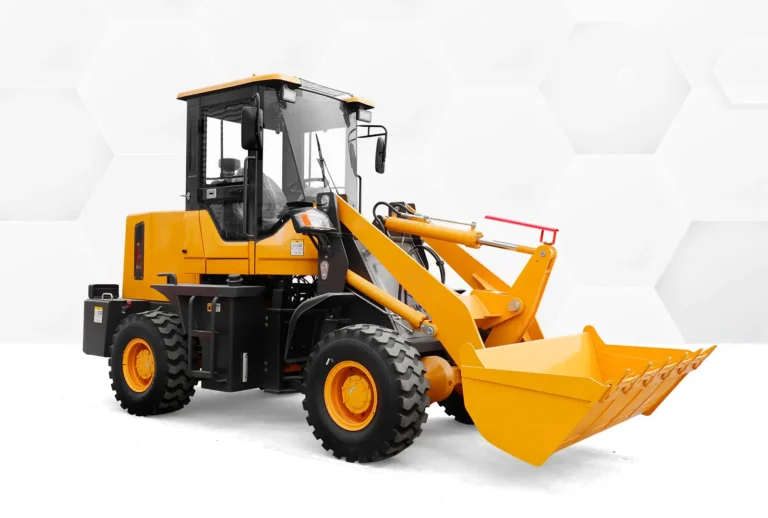
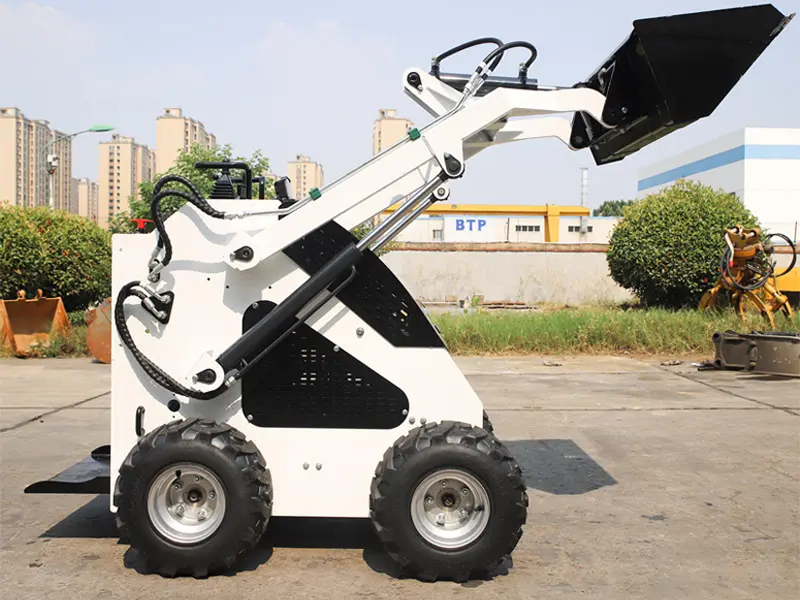
A skid steer loader (also known as a skid loader) is a compact, multi-purpose construction machine designed for high maneuverability and versatility. It uses a differential steering system that allows the left and right wheels to operate at different speeds — enabling true 360-degree zero-radius turning.
Because of its compact structure and powerful hydraulic system, a skid steer loader is ideal for confined job sites where larger equipment cannot operate efficiently.
Features
- Compact size for tight spaces
- Zero-turn steering capability
- Quick-attach system for multiple attachments
- Wide range of compatible attachments
- Suitable for municipal, construction, landscaping, and agricultural applications
How Does a Skid Steer Loader Work?
Skid steer loaders are versatile construction machinery that combine agile maneuverability with powerful loading capabilities through their unique skid steering design and efficient hydraulic systems.
1. Differential Steering System
Each side of the machine is powered independently.
- To move forward, both sides move at the same speed.
- To turn: one side moves faster than the other.
- To rotate 360°: one side moves forward while the other moves backward.
This design allows exceptional maneuverability in tight environments.
2. Hydraulic Power System
The hydraulic system powers:
- Lift arms
- Bucket tilting
- External attachments
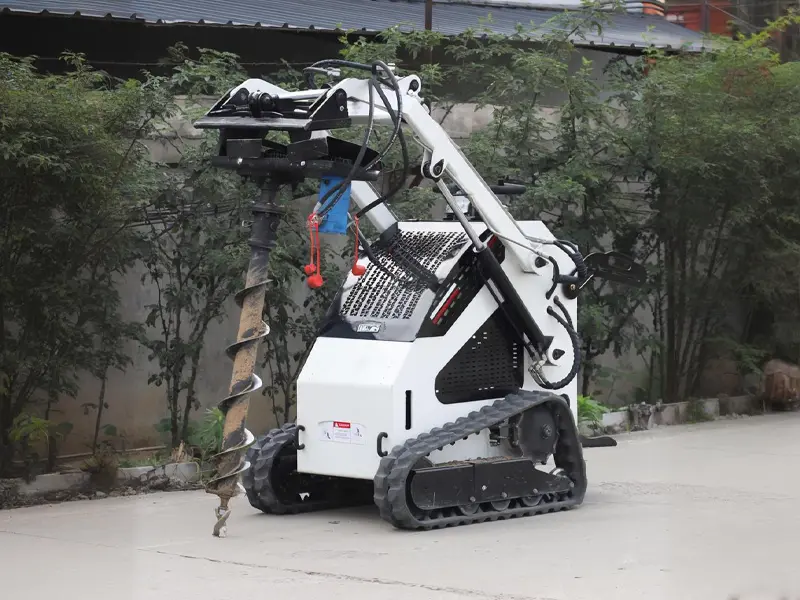
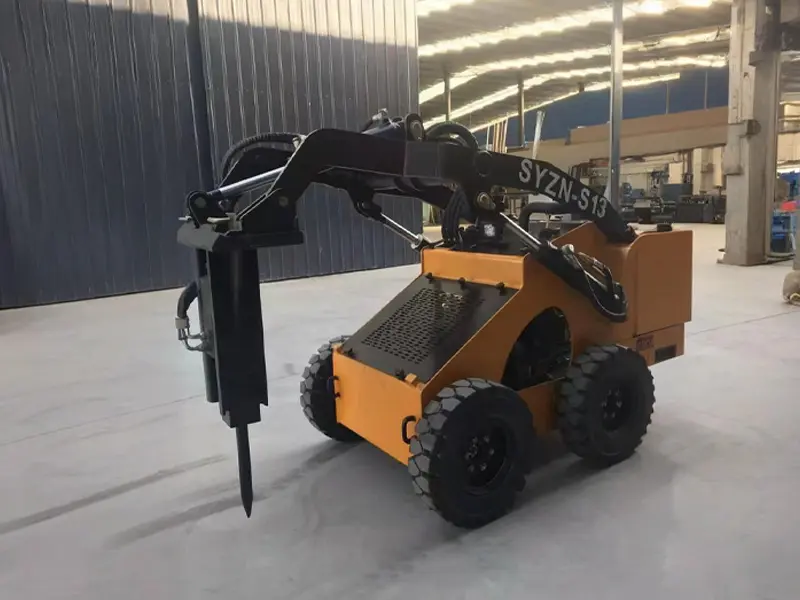
High-flow hydraulic options enable heavy-duty attachments like augers, trenchers, and breakers.
Applications of Skid Steer Loaders
Primarily used for material handling, excavation, loading, and bulldozing. Its key feature is the independent drive via two side tires or tracks, enabling flexible steering and making it suitable for confined spaces and complex terrain. Skid steer loaders have a wide range of applications, including but not limited to the following:
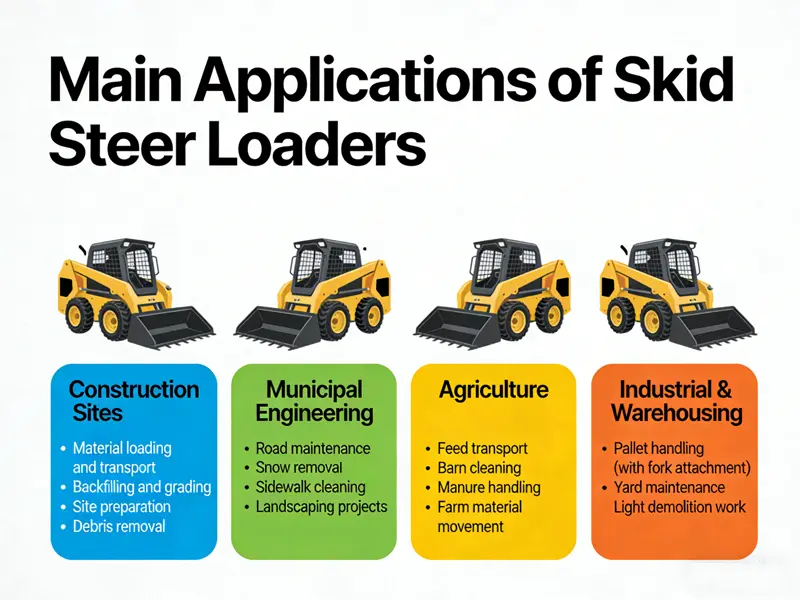
- Municipal Engineering:
Urban road maintenance, snow and ice removal, asphalt milling residue cleanup, sidewalk repair, and other confined space operations. - Construction Sites:
Basement backfilling, loading materials in confined corners, site leveling, concrete breaking, waste handling and cleaning, etc. - Agriculture and Horticulture:
Feed handling, land preparation, tree planting and transplanting, lawn mowing, auger drilling, etc. - Ports and Shipyards:
Bulk cargo hold cleaning, hold leveling, sand removal in painting workshops, and other confined space operations. - Industry and Logistics:
Warehouse material handling, bulk cargo ship hold cleaning, steel mill material transfer, etc. - Emergency Rescue:
Landslide cleanup, flood cleanup, road reopening, and other scenarios requiring flexible and mobile equipment.
skid steer loader attachments
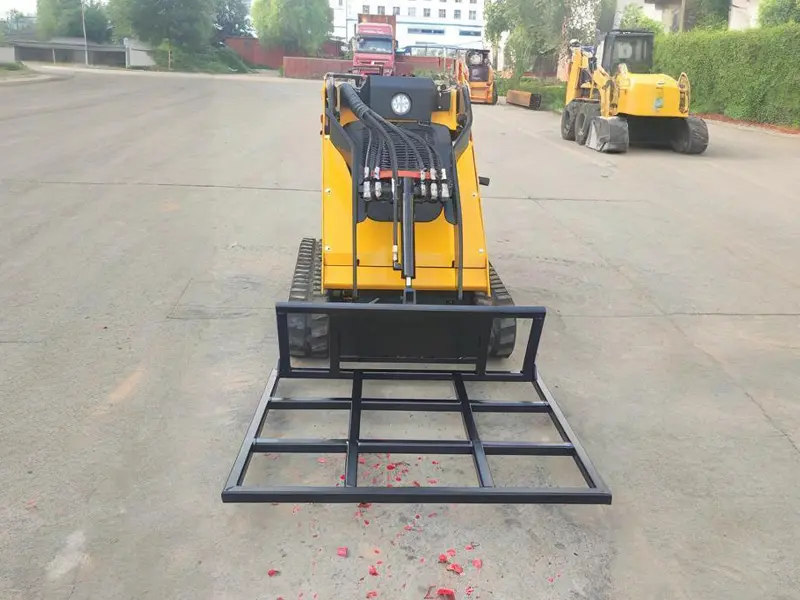
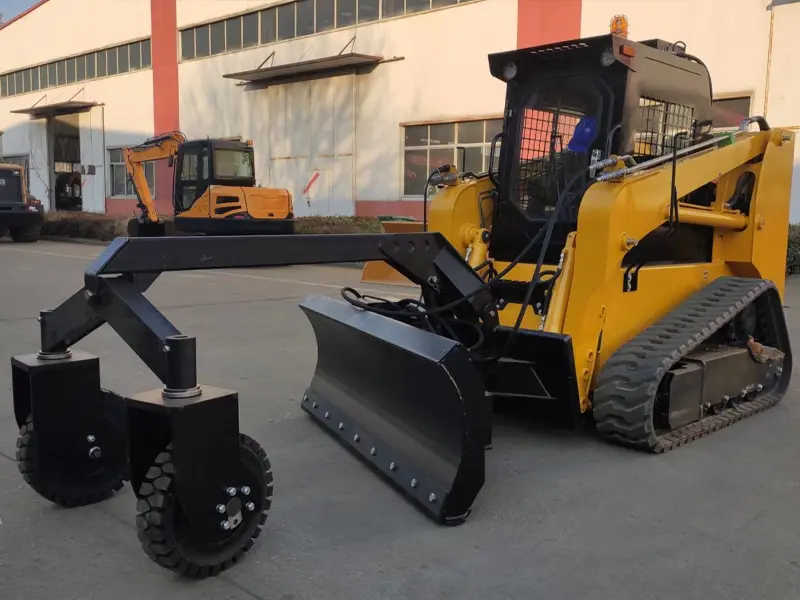
One major reason contractors prefer skid steer loaders is the wide attachment compatibility.
Common attachments include:
- Standard bucket
- 4-in-1 bucket
- Hydraulic breaker
- Auger drill
- Trencher
- Grapple
- Skid steer loader pallet forks
- Snow blade for skid steer loader
- Sweeper
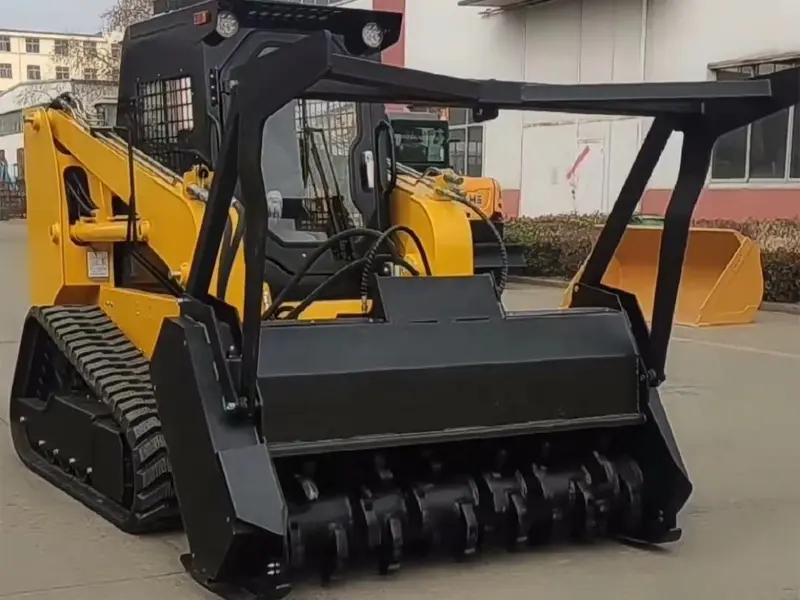
- Brush cutter
With the right attachments, one skid steer can replace multiple machines, reducing equipment investment costs.
Skid Steer Loader vs Other Equipment
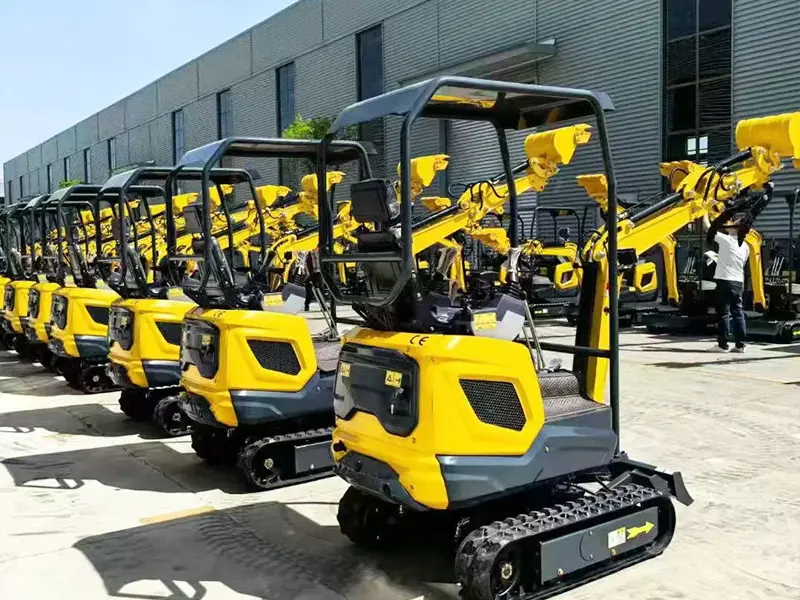
Compared to a Mini Excavator
- Mini excavators specialize in digging and trenching.
- Skid steers focus more on loading, lifting, and multi-attachment versatility.
- Skid steers are typically faster in material handling tasks.
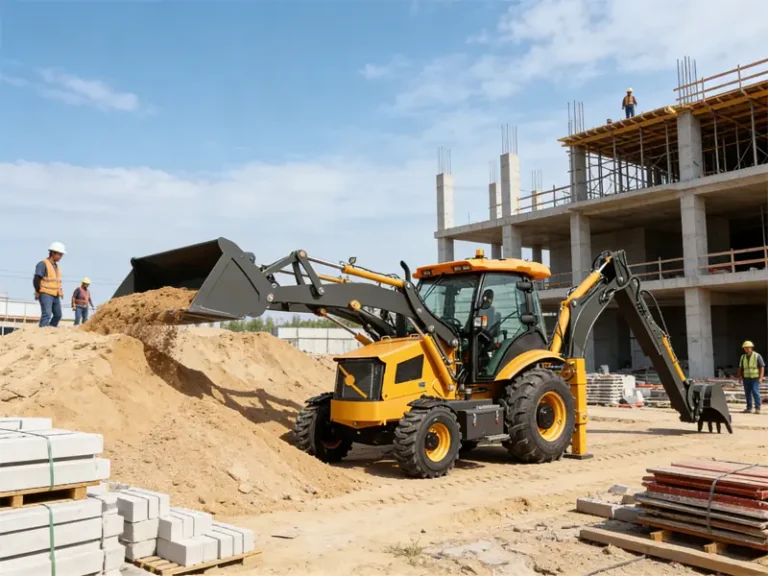
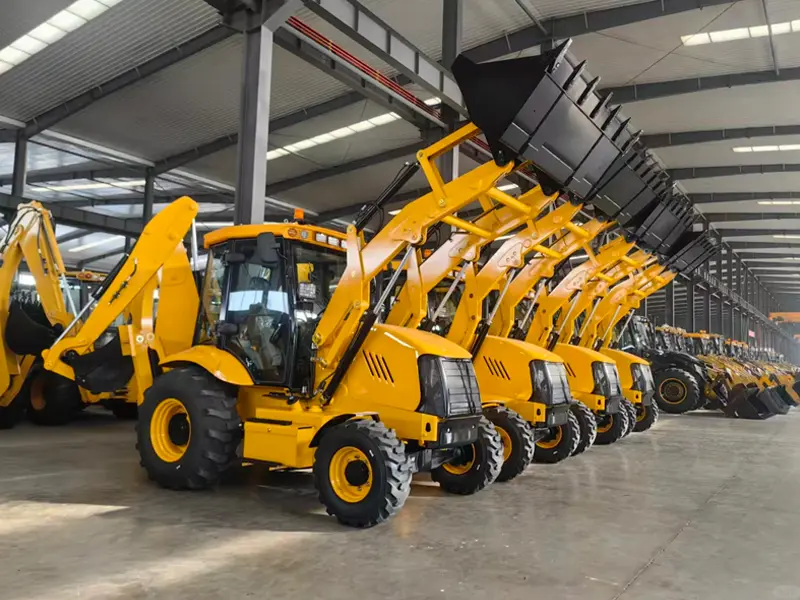
Compared to a Backhoe Loader
- Backhoe loaders are larger and better suited for heavy excavation.
- Skid steers are more compact and ideal for tight job sites.
- Skid steers are easier to transport between locations.
If your work environment is space-restricted, a skid steer loader is often the better choice.
Key Specifications to Consider
| Specification | Description | Typical Range / Recommendation |
|---|---|---|
| Rated Operating Capacity (ROC) | Indicates the safe lifting capacity of the machine under normal operating conditions. | 600 kg – 1,500 kg (1,300 – 3,300 lbs) |
| Engine Power | Determines overall machine performance, torque output, and efficiency under heavy loads. | 25 HP – 100 HP, depending on model size |
| Hydraulic Flow Rate | Powers lift arms and attachments. Higher flow supports heavy-duty tools like augers and breakers. | Standard flow for basic tasks; High-flow for demanding attachments |
| Operating Weight | Affects machine stability, lifting balance, and transportation requirements. | Varies by size; heavier machines offer more stability |
| Drive Type | Influences terrain adaptability and traction performance. | Wheeled: Ideal for hard surfaces & urban sites Tracked (Compact Track Loader): Better for soft, muddy, or uneven terrain |
How Much Does a Skid Steer Loader Cost?
Prices vary based on size, engine brand, hydraulic system, and attachments.
Estimated factory-direct pricing:
- Entry-level models: $8,000 – $15,000
- Mid-size professional models: $15,000 – $30,000
- High-performance/high-flow models: $30,000+
Bulk purchasing and OEM customization can significantly reduce unit costs.
How to Choose the Right Skid Steer Loader
Before purchasing, consider:
- What type of material will you handle?
- What attachments are required?
- Is your job site narrow or open?
- Do you need high-flow hydraulics?
- How often will the machine operate daily?
For contractors and equipment dealers, working directly with a manufacturer allows customization of:
Why Buy Direct From a Manufacturer?
Buying factory-direct offers:
- Competitive pricing
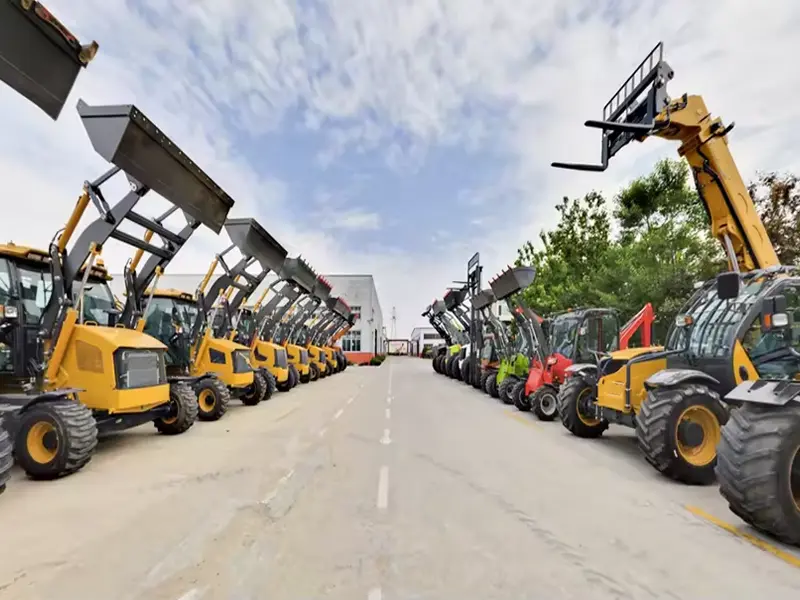
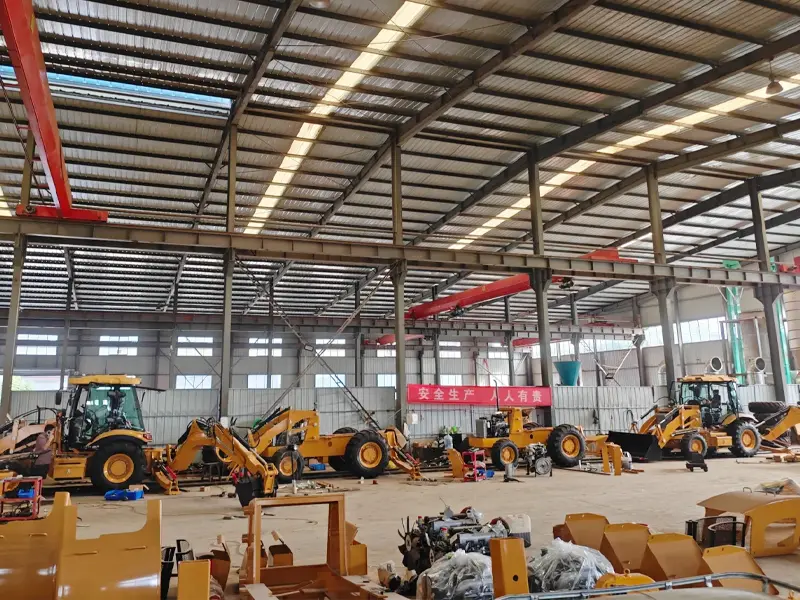
- Stable supply capacity
- Custom configuration
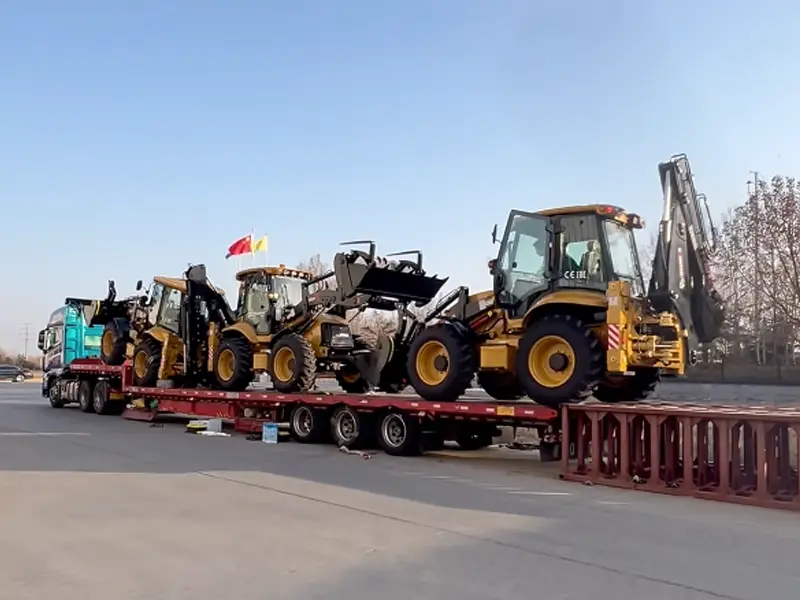
- Global shipping support
- Technical documentation & spare parts availability
For distributors, dealers, and large contractors, this ensures better margins and long-term partnership stability.
FAQs
conclusion
A skid steer loader is one of the most versatile compact machines available in today’s construction and agricultural markets. Its zero-turn maneuverability, powerful hydraulic system, and attachment flexibility make it an essential investment for contractors seeking efficiency and cost control.
If you are looking for reliable factory-direct skid steer loaders with customizable configurations and global delivery support, contact us today for specifications, pricing, and bulk purchase solutions.