What is the smallest backhoe loader?
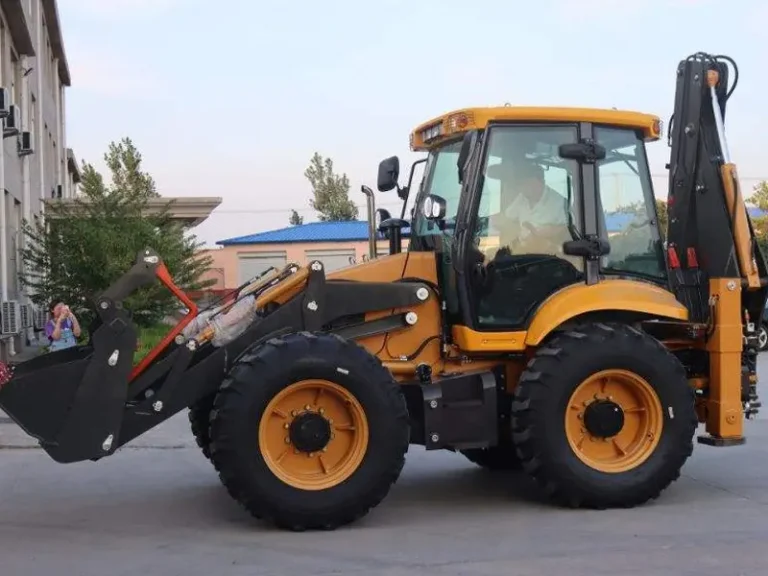
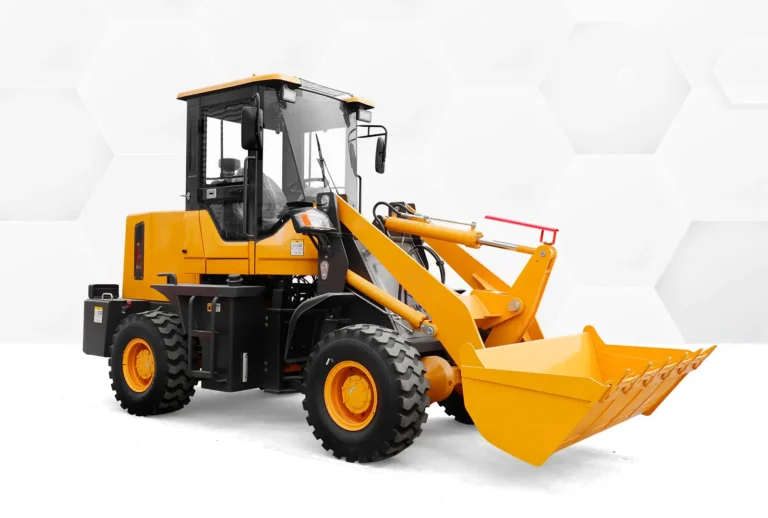
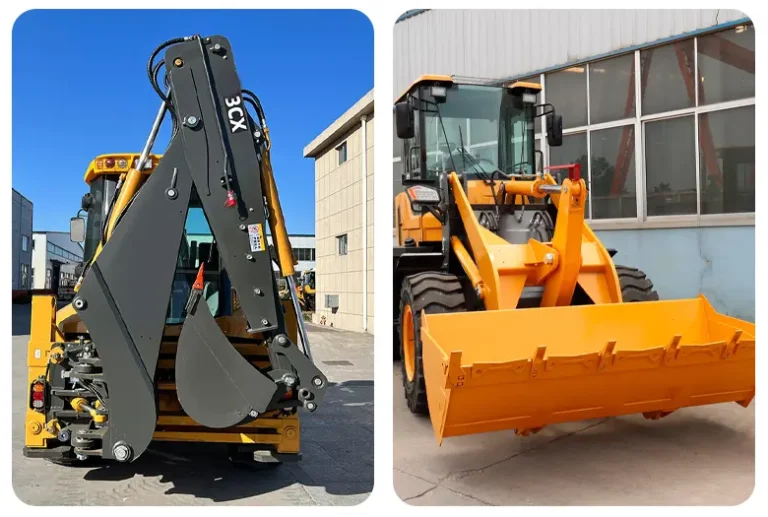
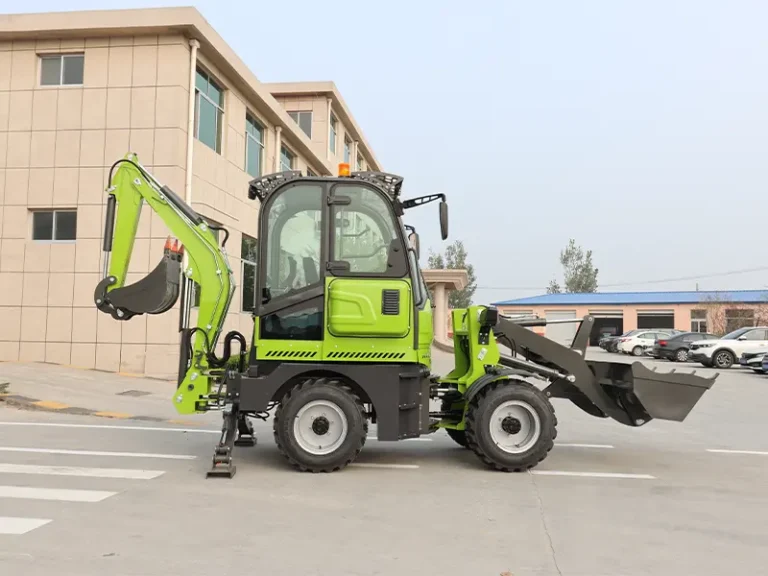
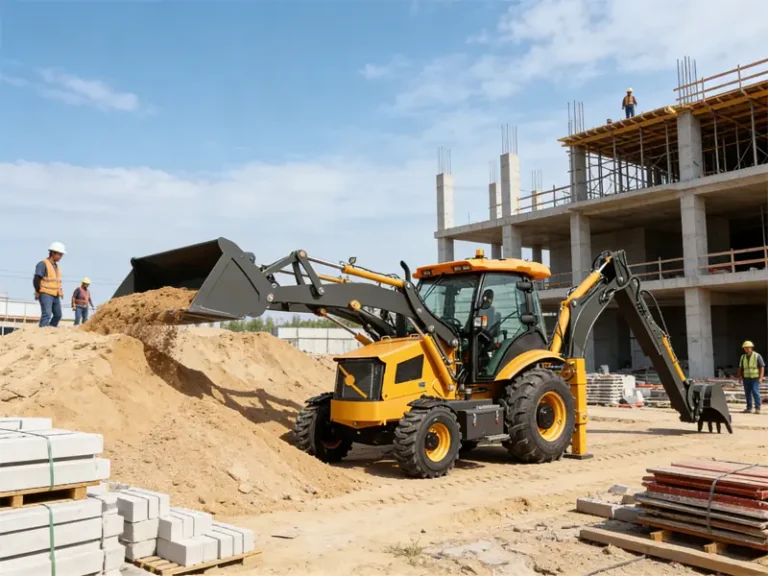
A backhoe loader is a composite construction machine that combines a loader and a backhoe excavator. Its front end features a bucket for loading and shoveling, while the rear end has a backhoe bucket for digging and trenching. It is wheeled for mobility and offers broad applicability.
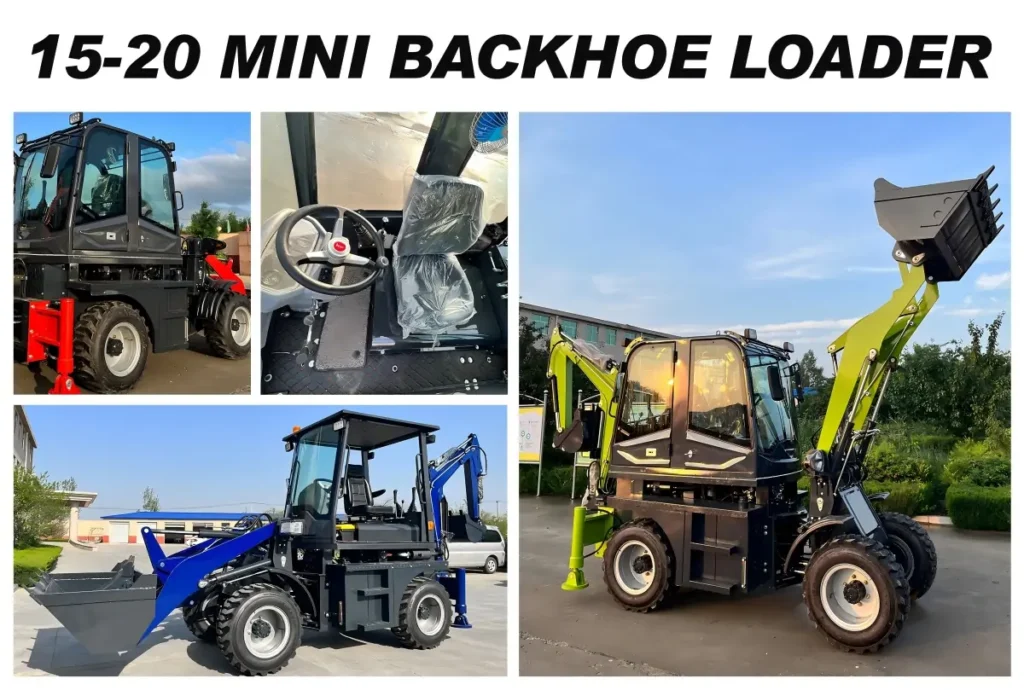
The term “smallest backhoe loader” refers to compact or mini backhoe loaders characterized by reduced size and lower power output. These models are specifically designed for confined spaces or light-duty tasks.
Features of the Smallest Backhoe Loader
Compared to standard loaders, mini backhoe loaders offer the following key advantages:
- Compact Size, High Maneuverability: Their smaller overall dimensions allow them to work effortlessly in confined spaces, urban roads, gardens, and similar environments.
- Multi-Functional Design: Combining loader and backhoe functions into one machine eliminates the need for multiple machines to collaborate, enhancing cost-effectiveness and space utilization.
- Simple Operation, Easy to Learn: Compact size, fewer control levers, and excellent visibility make them suitable for users without large machinery experience.
- Suitable For Light-Duty Applications: Ideal for earthmoving, trenching, light loading, and landscaping work; not suitable for extremely heavy loads or large-scale earthmoving projects.
- Lower Cost and Maintenance Expenses: Significantly lower purchase price, fuel consumption, and maintenance costs compared to large backhoe loaders.
What is a Smallest Backhoe Loader used for
- Small-Scale Earthmoving and Excavation: Residential foundation digging, cable trench excavation, small pipeline installation, etc.
- Site Loading and Material Handling: Loading loose materials onto trucks or transport vehicles, or clearing construction sites.
- Landscaping and Greening Projects: Screening soil, digging holes, and transporting crushed stone in parks, gardens, and green belts.
- Municipal Maintenance: Light-duty tasks such as urban road and neighborhood upkeep, and storm drain cleaning.
Working principle
The backhoe loader integrates front-end loading and rear-end excavation functions into a single machine through its hydraulic system as the power core: high-pressure oil from the hydraulic pump drives the front bucket for lifting and tilting to scoop and load materials; simultaneously, it drives the rear backhoe mechanism, enabling coordinated movement of the boom, stick, and bucket to perform digging, trenching, and earth-dumping operations. Paired with either wheeled or tracked undercarriages for mobility and steering, all working mechanisms operate in unison under joystick control. This enables integrated, high-efficiency operations encompassing excavation, loading, and short-distance material transport.
conclusion
The smallest backhoe loader is a compact, highly maneuverable, and versatile lightweight construction machine suitable for earthmoving, loading and hauling, municipal works, landscaping, and various other applications. It combines loading and digging functions into one unit, coordinating actions through a hydraulic control system.
The advantages of this equipment include low cost, suitability for confined spaces, and simple maintenance. Its disadvantages are limited load capacity and digging force, making it unsuitable for large-scale projects. When used correctly, especially when loading other small machinery onto transport vehicles, stability and safety must be prioritized.