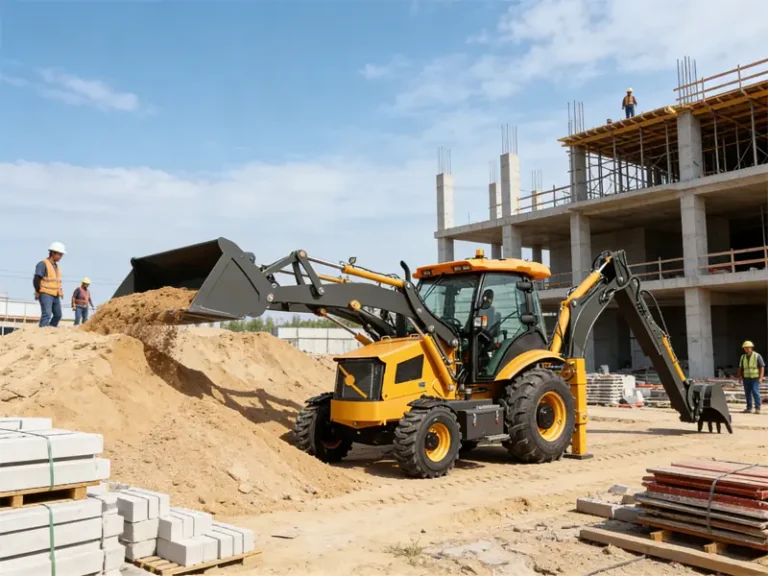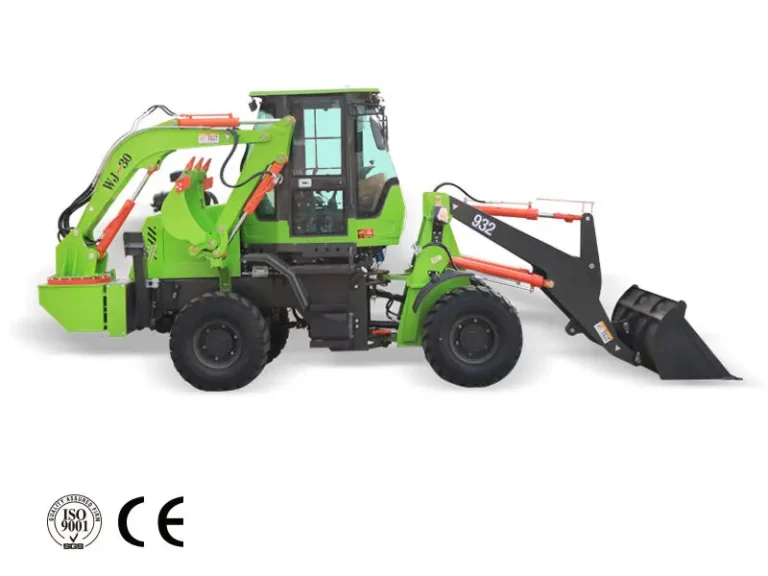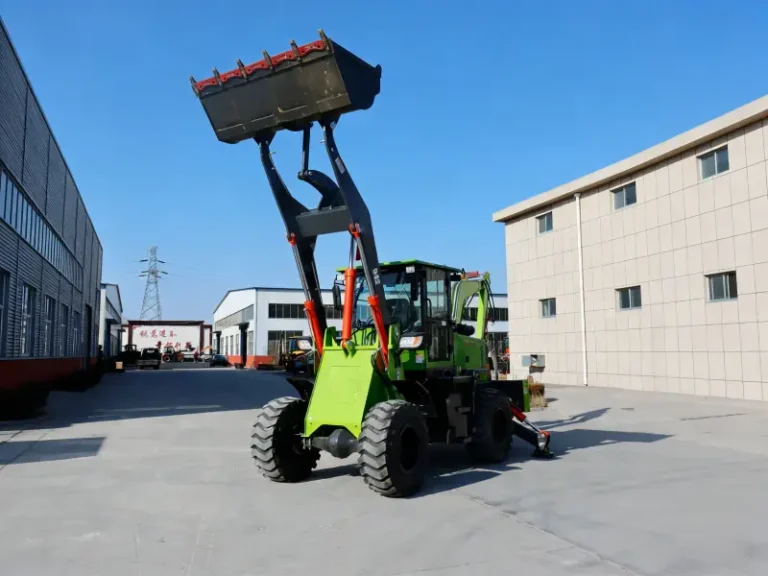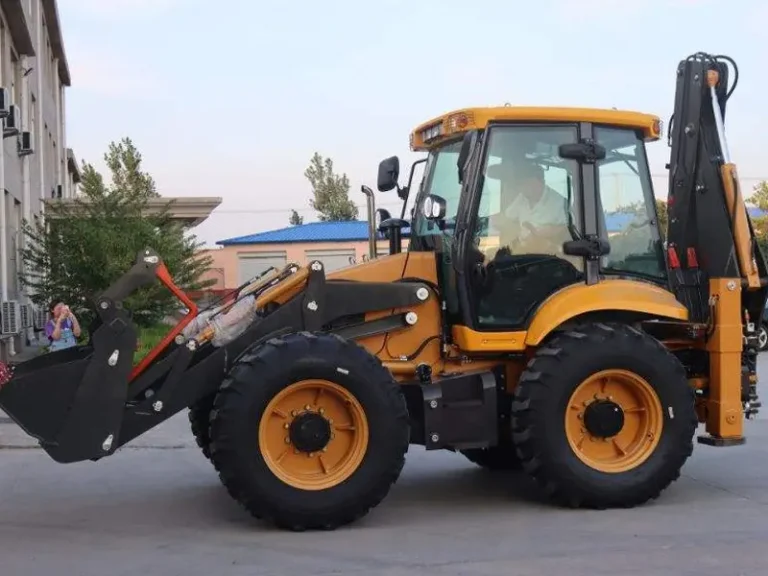
Wheel loaders are among the most common and important machines in the construction, mining, agriculture, and material handling industries. Known for their powerful loading capacity, high operating efficiency, and ease of operation, they play a crucial role in the rapid and reliable handling of bulk materials on construction sites.
Whether loading trucks, stacking materials, or clearing construction sites, wheel loaders are designed to maximize productivity while minimizing manual labor.
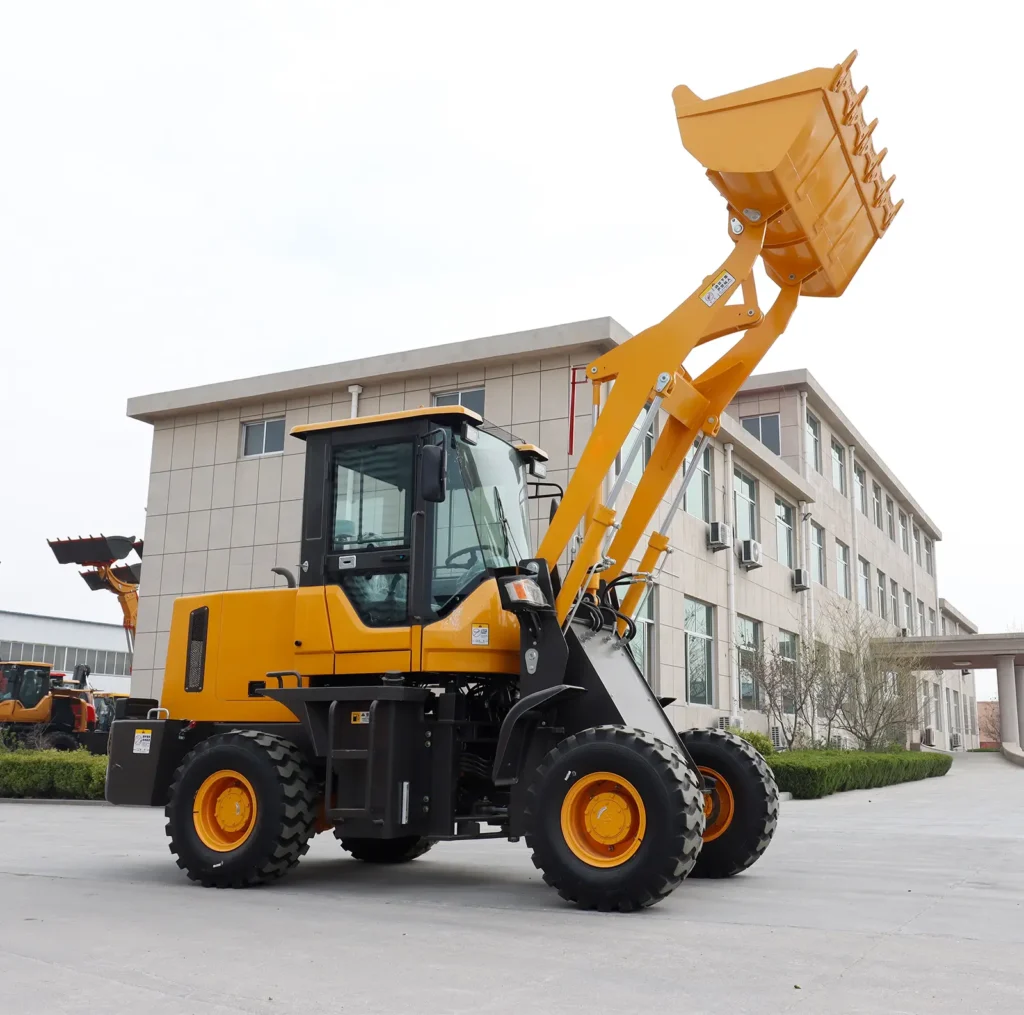
What is a wheel loader?
Wheel loaders are heavy-duty construction machines equipped with a front-mounted bucket and wheeled undercarriage, primarily used for shoveling, lifting, transporting, and loading bulk materials such as soil, sand, gravel, and aggregates. Unlike excavators that dig underground, wheel loaders specialize in surface material handling, making them ideal for short-distance transport and repetitive loading tasks.
Key Components of a Wheel Loader
- Bucket and Linkage System
The front bucket is used for scooping and transporting materials. The linkage system enables the bucket to lift, lower, and tilt, achieving precise loading and unloading. - Hydraulic System
Hydraulic cylinders provide the power needed to lift heavy loads and tilt the bucket, ensuring smooth and powerful operation. - Engine and Transmission System
The diesel engine delivers high torque output, while the transmission transfers power to the wheels for travel and thrust. - Wheeled Undercarriage
Equipped with large rubber tires, the wheeled undercarriage provides exceptional mobility, speed, and maneuverability across various terrains. - Cab
The cab design prioritizes visibility, comfort, and safety, featuring ergonomic controls and monitoring systems.
How Does a Wheel Loader Work?
Wheel loaders perform tasks by converting engine power into hydraulic energy. When the operator drives the machine into a pile of material, the bucket scoops up material using forward momentum and hydraulic lifting force. The hydraulic system then raises the bucket, allowing the operator to transport the material to a truck, hopper, or stockpile for dumping. The combination of wheeled mobility and hydraulic lifting force enables rapid loading cycles and high productivity.
What Is a Wheel Loader Used For?
Construction
- Loading soil, sand, and gravel into dump trucks
- Transporting materials around job sites
- Clearing debris and demolition waste
Mining and Quarrying
- Handling aggregates and minerals
- Stockpiling materials
Agriculture
- Moving grain, feed, and silage
- Cleaning barns and farmyards
Industrial and Municipal Applications
- Waste handling
- Snow removal with specialized attachments
Types of Wheel Loaders
- Compact Wheel Loaders: Small and agile machines ideal for tight spaces and light-duty work.
- Medium Wheel Loaders: Commonly used in construction and industrial projects, offering a balance of power and efficiency.
- Large Wheel Loaders: Designed for mining and large-scale earthmoving operations with high load capacities.
Safety Tips for Operating a Wheel Loader
- Avoid overloading the bucket
- Operate on stable ground
- Maintain clear visibility
- Perform regular inspections
- Follow proper operating procedures
How to Choose the Right Wheel Loader
- Bucket capacity and lifting height
- Operating weight and engine power
- Job-site conditions
- Attachment compatibility
- Maintenance and operating costs
Conclusion
A wheel loader is a powerful, efficient, and versatile piece of machinery designed for material handling and loading operations across various industries. With its robust construction, powerful hydraulic system, and wide range of attachments, it has become a cornerstone of modern construction and industrial projects.
If your work involves frequent material loading, transportation, or stacking, a wheel loader will be an indispensable piece of equipment.