What Is a Telescopic Handler?
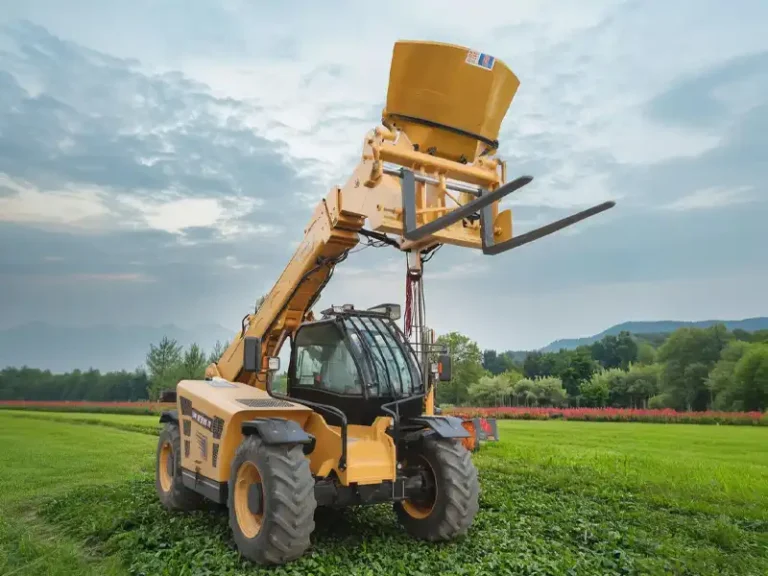
Telescopic handlers, commonly known as telehandlers, are versatile lifting machines widely used in construction, agriculture, and industrial applications. Combining the features of a forklift and a crane, telehandlers provide both lifting power and extended reach, making them an essential tool for modern material handling. In this guide, we’ll explain what a telescopic handler is, how it works, its types, applications, and how to choose the right one for your needs.
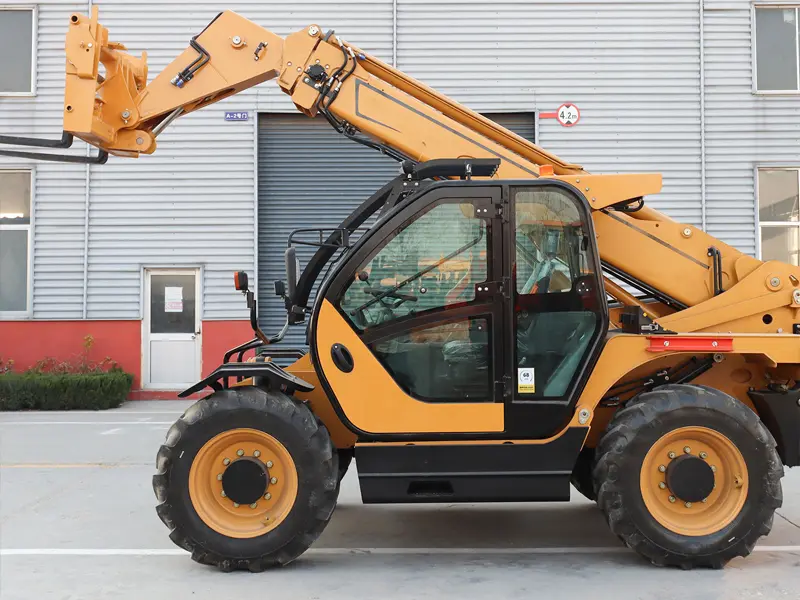
Table of Contents
What Is a Telescopic Handler and How Does It Work??
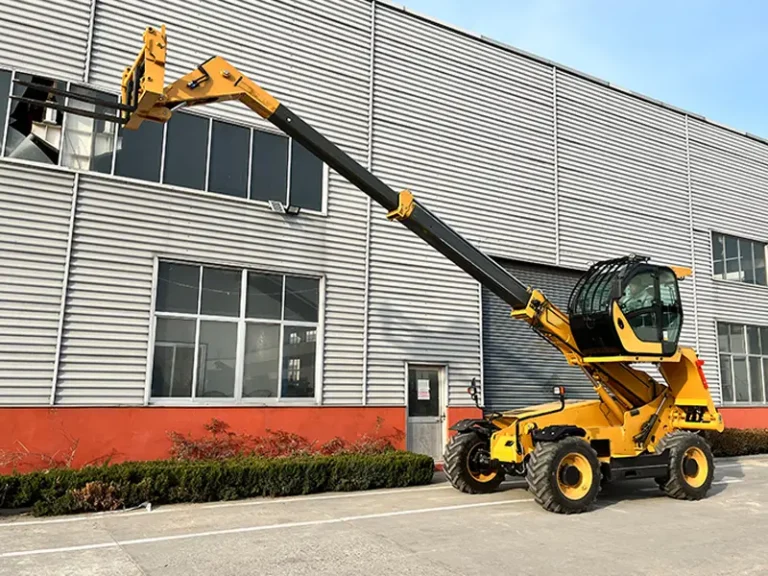
A telescopic handler is a multi-purpose machine equipped with a telescopic boom, allowing it to lift, move, and place materials at various heights and distances. Unlike a conventional forklift, a telehandler can reach places that would otherwise require a crane, making it perfect for jobs on uneven terrain or in hard-to-access locations.
Originally developed for agricultural use, telehandlers have evolved to serve multiple industries, from construction sites to warehouses and logistics centers. Their unique combination of flexibility, mobility, and lifting power makes them a preferred choice for many professionals.
Telescopic handler working principle
At the heart of a telehandler is its telescopic boom. This boom can extend and retract, allowing operators to lift loads to high elevations or reach over obstacles. The extension mechanism is powered by a hydraulic system, which provides smooth and controlled movement.
Key working components include:
- Hydraulic cylinders: Control boom extension, lifting, and tilting.
- Engine and drivetrain: Provide the power needed for lifting heavy loads and moving across rough terrain.
- Steering and mobility system: Many telehandlers feature four-wheel steering for precise maneuvering in tight spaces.
- Attachments: Forks, buckets, or lifting jibs can be mounted on the boom for various applications.
Together, these systems allow a telehandler to perform lifting, loading, and material placement with remarkable efficiency.
Features of Telescopic Handlers
Boom Reach and Lift Height:
Depending on the model, telehandlers can lift from 4 meters to over 20 meters.
Attachments:
Forks, buckets, winches, and specialized tools allow telehandlers to handle diverse tasks.
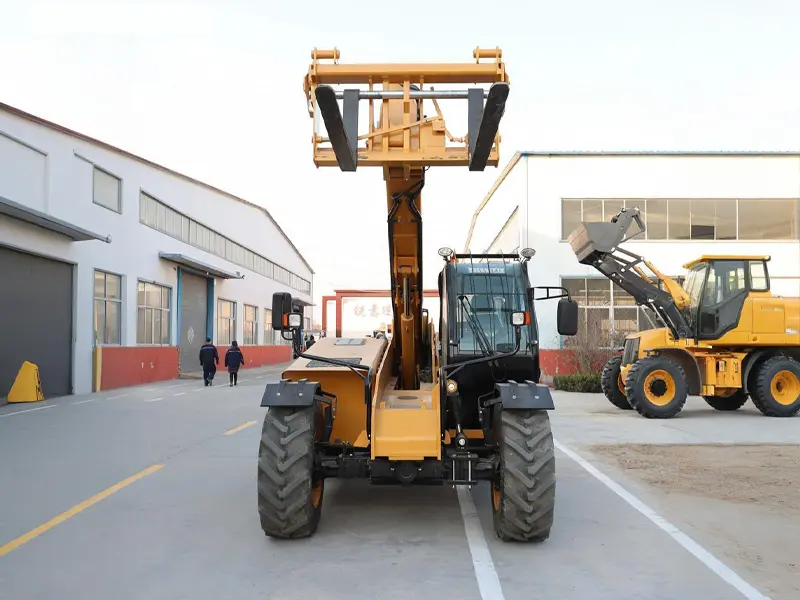
Engine Power:
Diesel or electric engines are used, depending on the model and operating environment.
Off-road Capability:
Rugged tires and all-wheel drive make them suitable for construction sites and uneven terrain.
Types of Telescopic Handlers
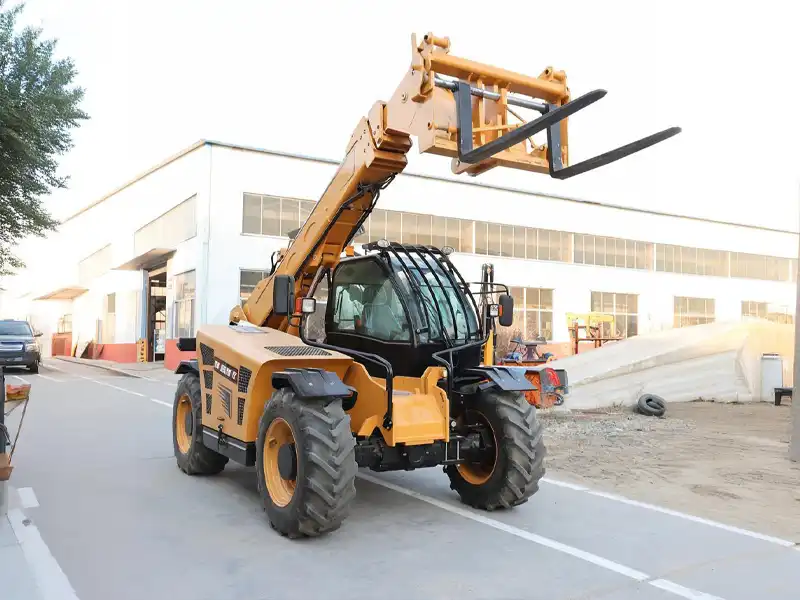
Standard Telescopic Handler
Ideal for general construction and material handling.
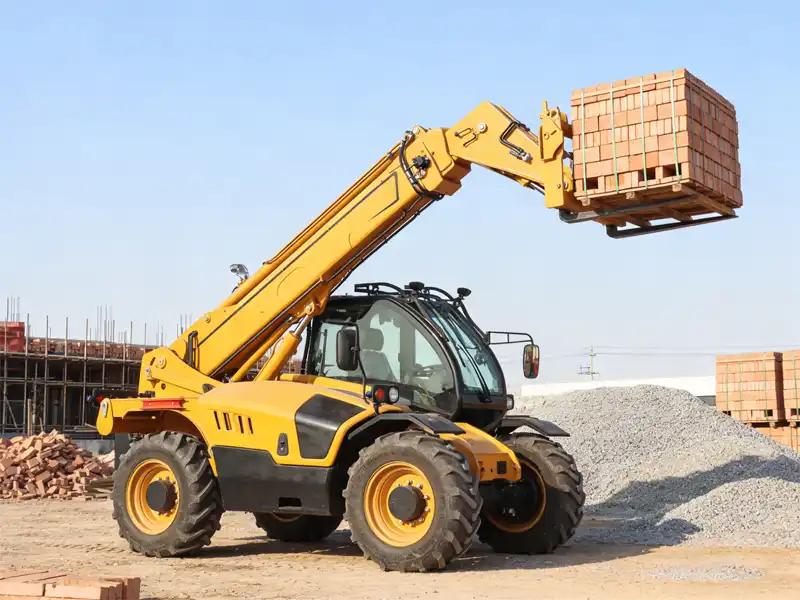
Compact Telescopic Handler
Smaller footprint for confined spaces and indoor operations.
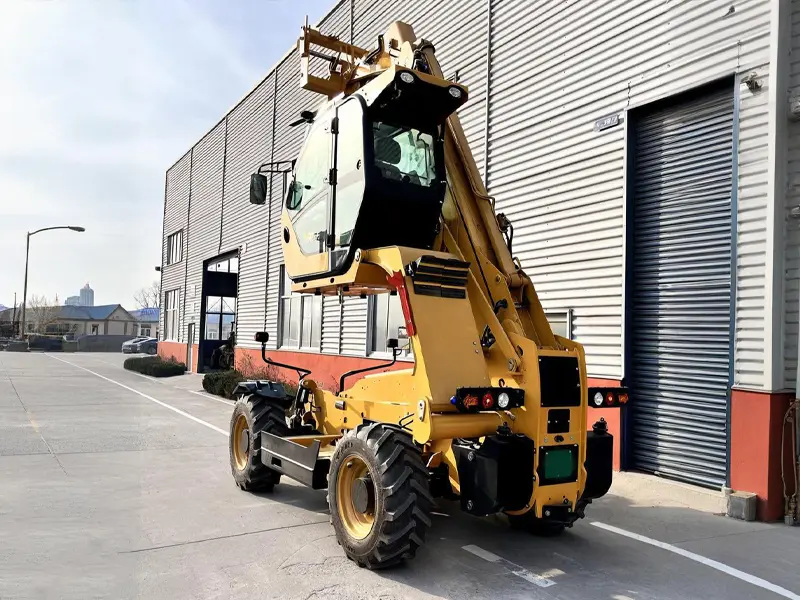
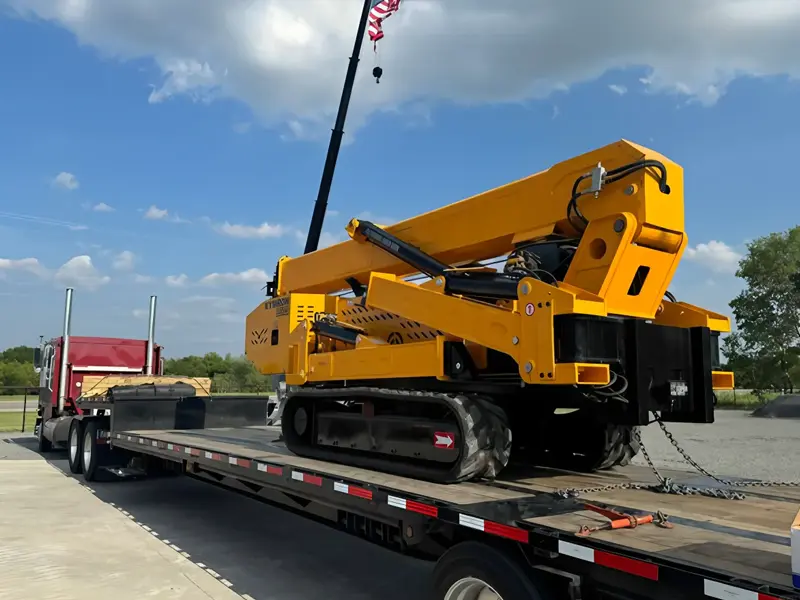
Rotating Telehandler
Features a 360-degree rotating boom for maximum flexibility.
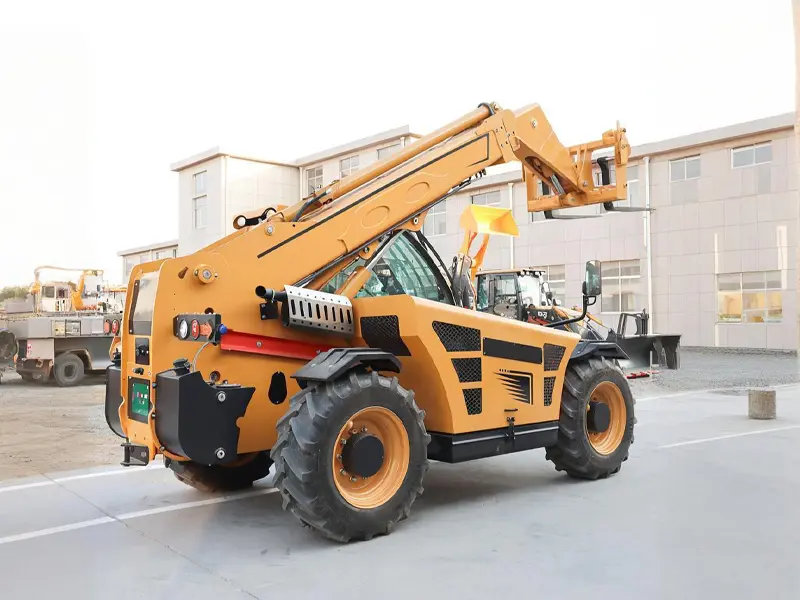
Heavy-Duty Telehandler
Designed for lifting heavy loads and working in demanding environments.
Applications of Telescopic Handlers
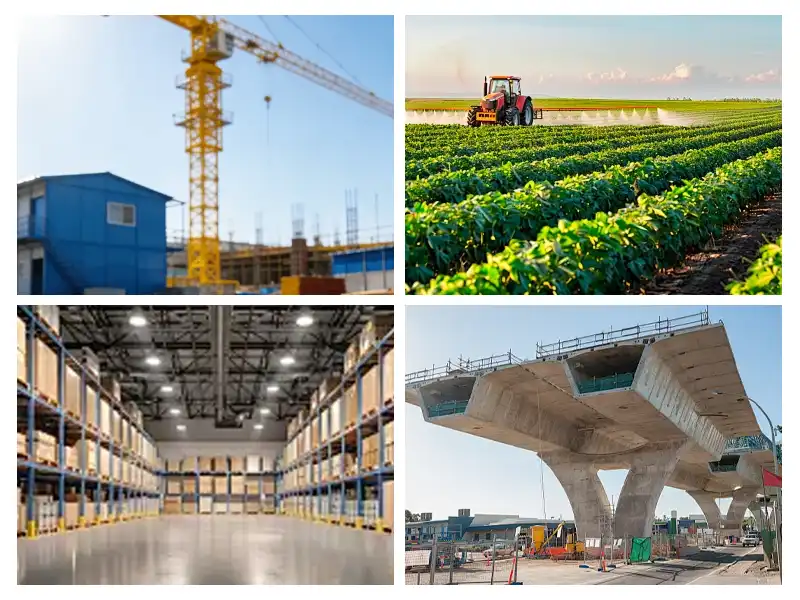
Telescopic handlers are used in a variety of industries:
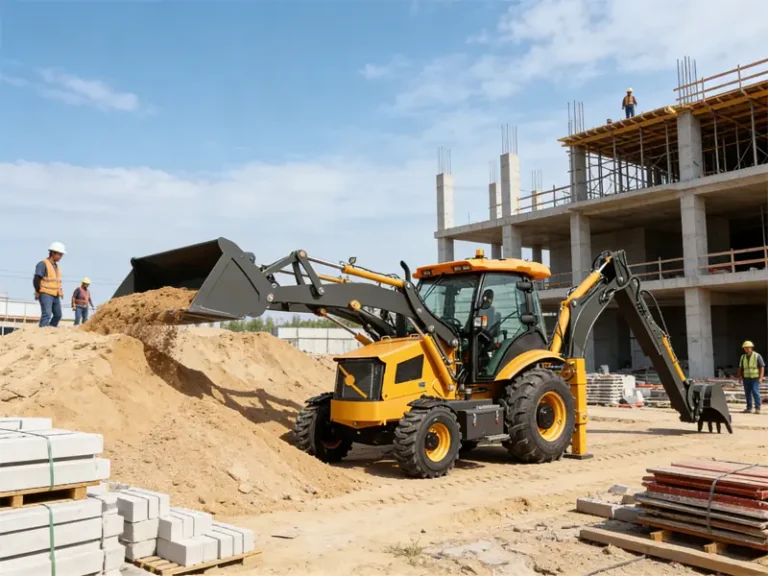
- Construction: Moving materials, placing pallets, lifting tools, and debris handling.
- Agriculture: Transporting hay, silage, and farming equipment efficiently.
- Industrial and Warehouse Operations: Loading and unloading heavy items and stacking pallets.
- Infrastructure and Roadwork: Assisting with bridge construction, maintenance, and other projects requiring extended reach.
Telescopic Handler vs Forklift
While telehandlers and forklifts may appear similar, they serve different purposes:
| Feature | Telehandler | Forklift |
|---|---|---|
| Lifting Mechanism | Telescopic boom | Fixed mast |
| Reach | High and extendable | Limited vertical reach |
| Terrain | Off-road capable | Primarily smooth surfaces |
| Versatility | Multiple attachments | Limited attachment options |
Cost Comparison: Telehandlers are generally more expensive than forklifts due to their advanced hydraulics, larger engines, and telescopic boom systems. Typical telescopic handler prices range from $60,000 to $150,000, while forklifts range from $10,000 to $50,000, depending on size and power source. However, the telehandler’s versatility often provides better ROI for complex projects.
FAQs
conclusion
A telescopic handler is a powerful and versatile machine that bridges the gap between forklifts and cranes. From lifting and moving materials to handling complex tasks in construction, agriculture, and industry, telehandlers provide efficiency, flexibility, and reliability. Understanding their working principles, types, and applications can help you choose the right telehandler for your project, ensuring maximum productivity and safety.