Telehandler vs Forklift
Material handling equipment plays a crucial role in construction sites, agricultural operations, and industrial logistics. Two commonly used machines for lifting and transporting materials are the telehandler and the forklift. While both machines are designed to move heavy loads, they differ significantly in structure, lifting capabilities, terrain adaptability, and typical applications.
Understanding the differences between a telehandler and a forklift can help contractors, farmers, and warehouse managers choose the right machine for their specific needs. In this guide, we compare telehandlers and forklifts in terms of reach, lifting capacity, terrain capability, versatility, and cost, helping you determine which machine is best suited for your operations.
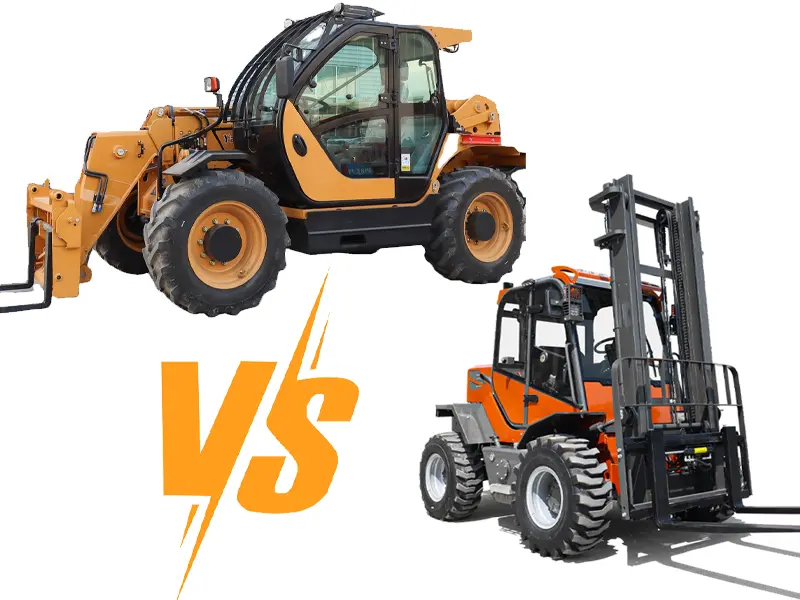
Table of Contents
What Is a Telehandler?
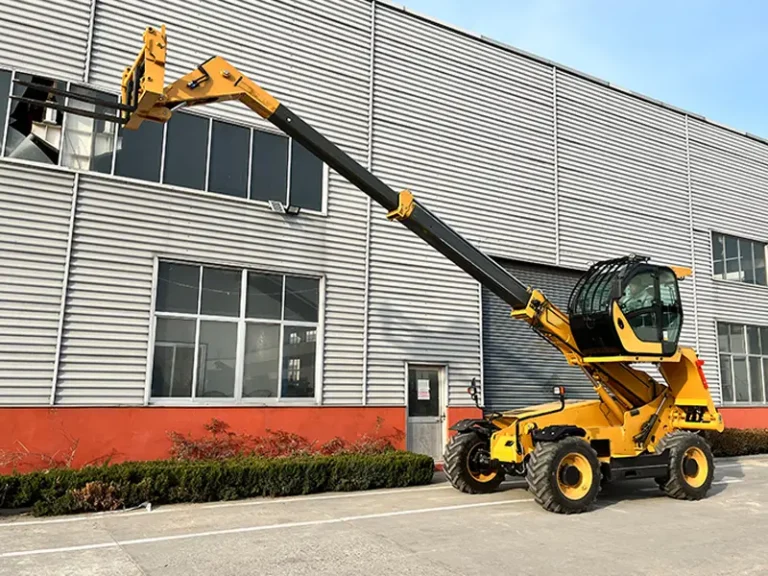
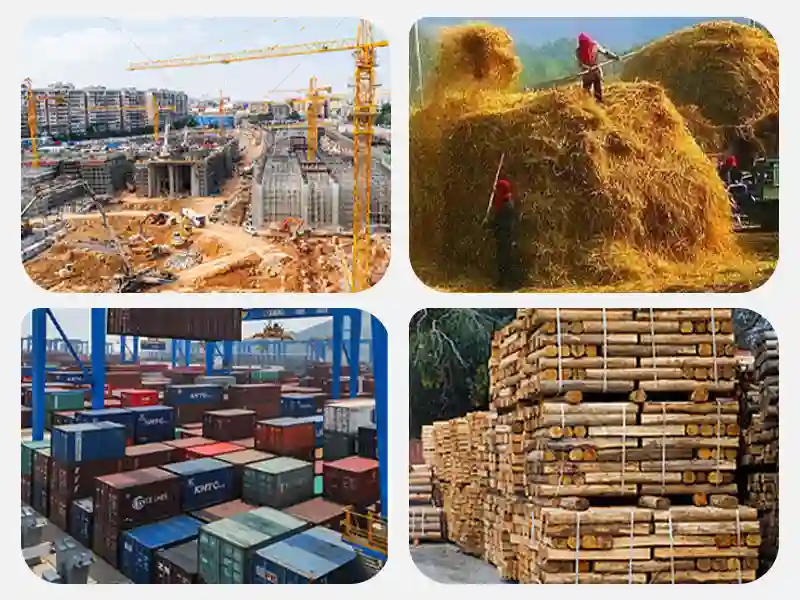
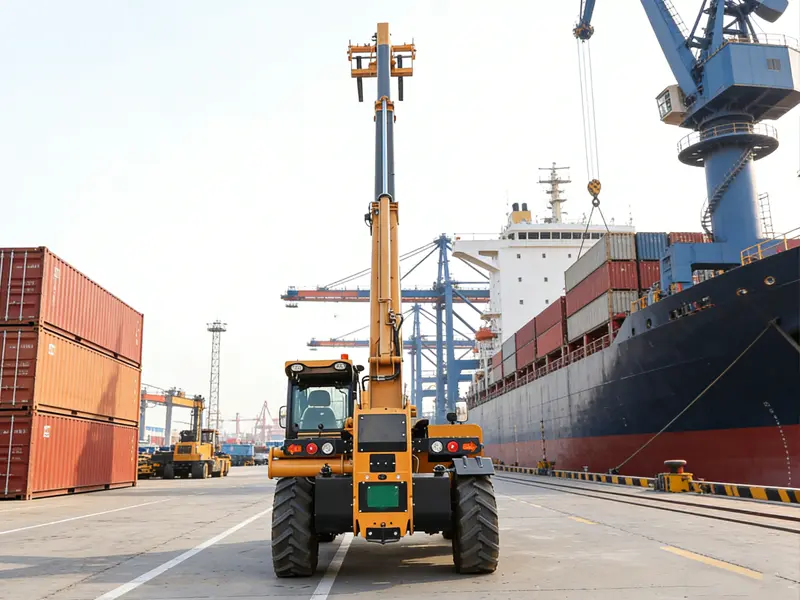
A telehandler, also known as a telescopic handler, is a versatile lifting machine widely used in construction, agriculture, and industrial environments. Its main feature is a telescopic boom that can extend forward and upward, allowing operators to place materials at greater heights and distances.
Unlike traditional forklifts, telehandlers can handle uneven ground and rough terrain, making them ideal for outdoor operations. They are also compatible with multiple attachments, which significantly expands their functionality.
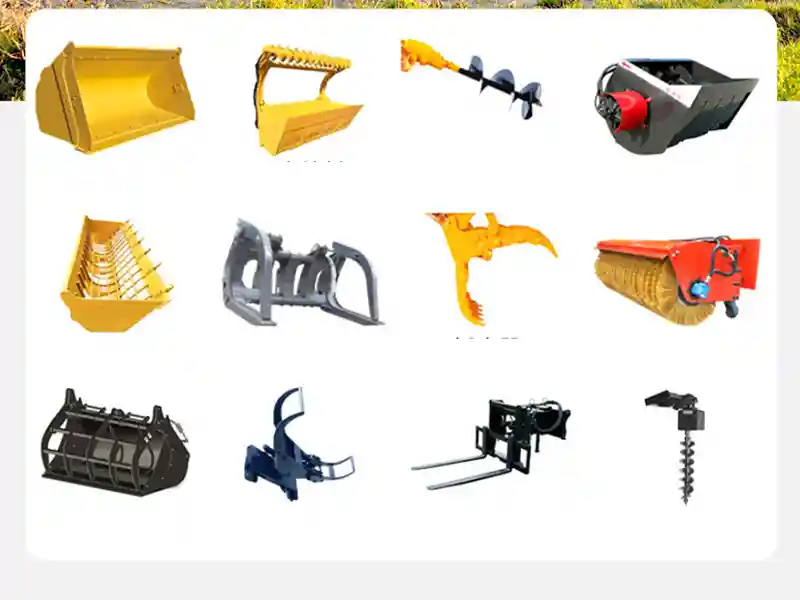
Telehandler attachments:
Because of this flexibility, telehandlers are often considered multi-purpose machines capable of performing tasks that would otherwise require several different types of equipment.
- Pallet forks
- Buckets
- Bale clamps
- Lifting hooks
- Work platforms
Telehandlers applications:
- Construction material lifting
- Agricultural feed and bale handling
- Infrastructure projects
- Landscaping and land development
Their extended reach and strong lifting capacity make them essential equipment for jobs where standard forklifts cannot operate effectively.
What Is a Forklift?
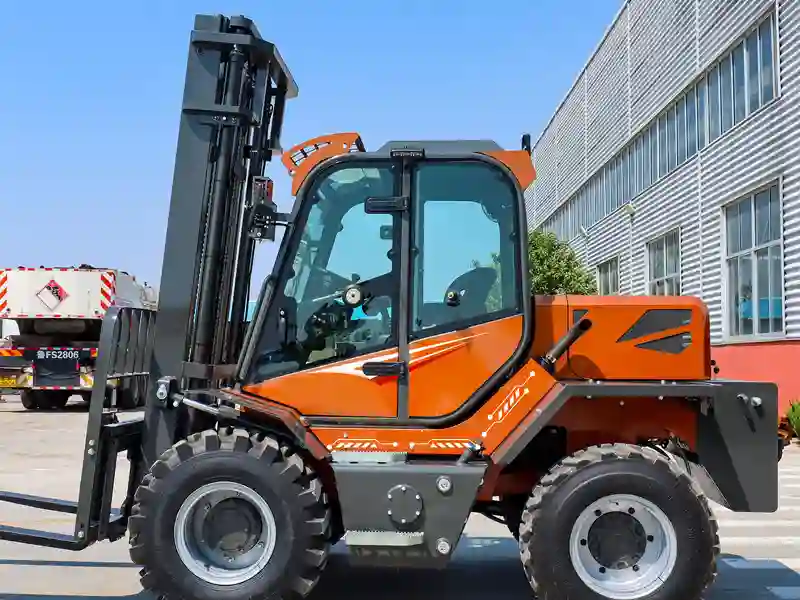
A forklift is a compact industrial vehicle designed primarily for lifting and transporting palletized materials over short distances. Forklifts use a vertical mast system with forks attached to the front of the machine to lift loads vertically.
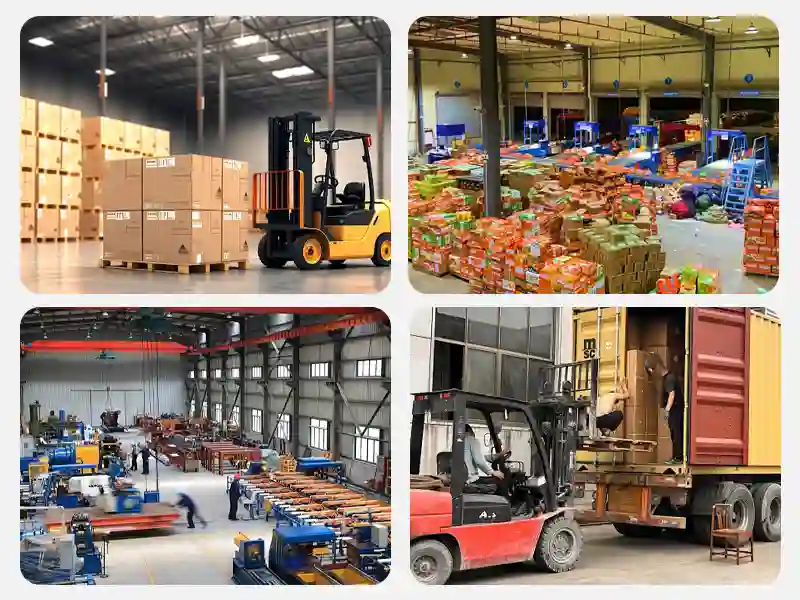
Forklifts are widely used in warehouses, distribution centers, factories, and logistics hubs where materials need to be moved quickly and efficiently across flat indoor surfaces.
characteristics of forklifts:
- Vertical lifting mast
- Stable load handling
- Compact maneuverability
- Efficient pallet transport
Unlike telehandlers, forklifts are designed primarily for smooth surfaces and controlled environments. They are highly efficient for stacking pallets, loading trucks, and organizing warehouse inventory.
Forklifts applications:
- Warehouse logistics
- Retail distribution centers
- Manufacturing facilities
- Shipping and receiving operations
Their simplicity, affordability, and reliability make them the preferred solution for indoor material handling tasks.
Telehandler vs Forklift:
Although both machines lift and move heavy materials, their design and functionality are quite different. In general, telehandlers are designed for outdoor versatility, while forklifts are optimized for indoor efficiency.
| Feature | Telehandler | Forklift |
|---|---|---|
| Lifting Structure | Telescopic boom | Vertical mast |
| Reach | Extended forward and upward reach | Limited vertical reach |
| Terrain Capability | Rough terrain capable | Smooth surfaces |
| Attachments | Multiple attachments available | Mostly forks |
| Applications | Construction, agriculture, infrastructure | Warehousing and logistics |
| Versatility | Highly versatile | Specialized for pallet handling |
telehandler vs forklift for construction
Telehandler vs forklift for construction: A telehandler offers greater reach and versatility with its telescopic boom, while a forklift provides compact lifting and maneuverability for standard material handling tasks on construction sites.
Reach and Lifting Height: Telehandler vs Forklift
One of the most important differences between telehandlers and forklifts is their reach capability.
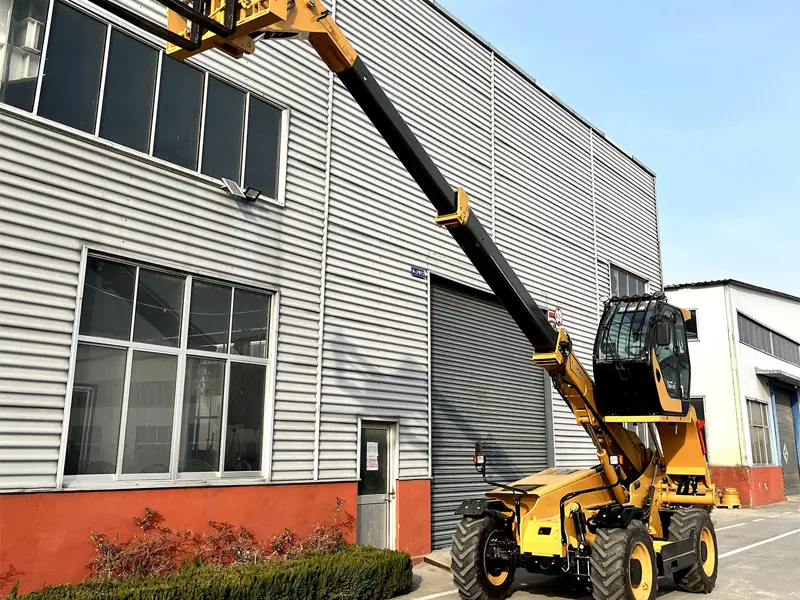
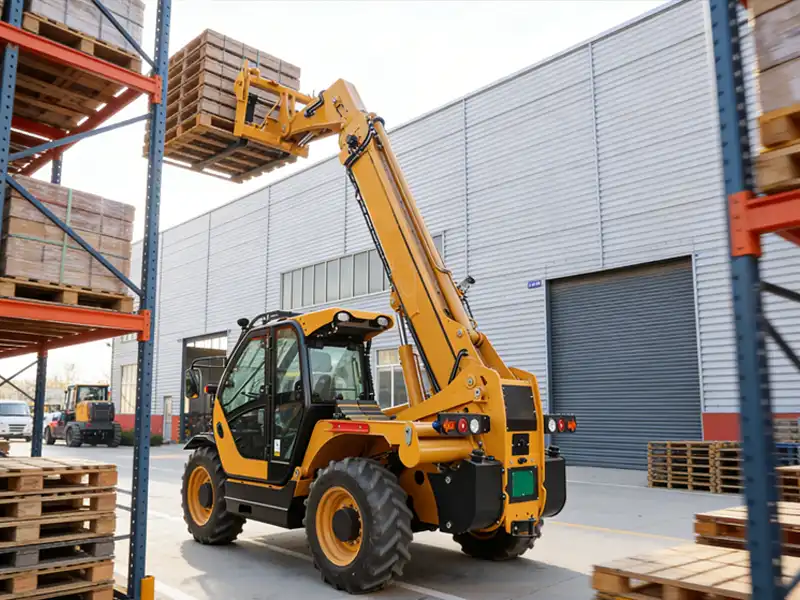
A telehandler uses a telescopic boom that can extend both vertically and horizontally. This allows the machine to place materials in locations that are difficult to access using standard lifting equipment.
Telehandler reach capabilities:
- Lifting heights from 6 meters to over 17 meters
- Forward reach to place materials across obstacles
- Ability to lift loads onto rooftops or upper floors
Forklifts, on the other hand, rely on a vertical mast that moves straight up and down. Although some forklifts can reach significant heights in warehouses, they cannot extend forward like telehandlers.
This makes telehandlers much more effective in situations where materials must be placed at height or across obstacles.
Lifting Capacity Comparison
Both telehandlers and forklifts are capable of lifting heavy loads, but their lifting capacities vary depending on the machine size and design.
Forklift lifting capacity:
- 1 ton to 5 tons for standard warehouse forklifts
- Up to 10 tons for heavy industrial models
Telehandler lifting capacity:
- 2.5 tons to 12 tons, depending on the model
- Some heavy-duty telehandlers can exceed 15 tons
However, telehandler capacity decreases as the boom extends outward. This means operators must carefully manage load positioning to maintain safe operation.
Both telehandlers and forklifts are capable of lifting heavy loads, but their lifting capacities vary depending on the machine size and design.
Terrain Capability
Terrain adaptability is one of the biggest differences between a telehandler and a traditional forklift.
Telehandlers are specifically designed to operate on rough or uneven terrain, making them ideal for outdoor environments such as:
| Feature | Telehandler | Forklift |
|---|---|---|
| Terrain Capability | Designed for rough and uneven terrain | Designed for smooth indoor surfaces |
| Typical Work Environments | Construction sites, farms, gravel roads, muddy or uneven ground | Warehouses, distribution centers, manufacturing facilities |
| Tire Type | Large off-road tires for better traction | Smaller solid tires for flat floors |
| Drive System | Usually equipped with four-wheel drive | Typically two-wheel drive |
| Ground Clearance | High ground clearance for outdoor operations | Low ground clearance for indoor use |
| Stability on Rough Terrain | Stable on uneven ground when operated properly | Can become unstable on rough terrain |
| Best Use Case | Outdoor material handling, construction projects, and agricultural work | Indoor logistics, pallet movement, warehouse operations |
Attachments and Versatility
Telehandlers are widely known for their versatility thanks to their compatibility with multiple attachments.
Common telehandler attachments include:
- Pallet forks for material lifting
- Buckets for loading soil or gravel
- Bale handlers for agricultural operations
- Lifting hooks for construction materials
- Work platforms for elevated maintenance tasks
This flexibility allows a single telehandler to perform the functions of several different machines.
Forklifts, however, are typically limited to fork attachments designed for pallet handling. While some specialized forklift attachments exist, their versatility is generally lower than that of telehandlers.
Applications: Where Each Machine Performs Best
The ideal choice between a telehandler and a forklift depends largely on the work environment and the type of materials being handled.
Telehandler for Construction Sites
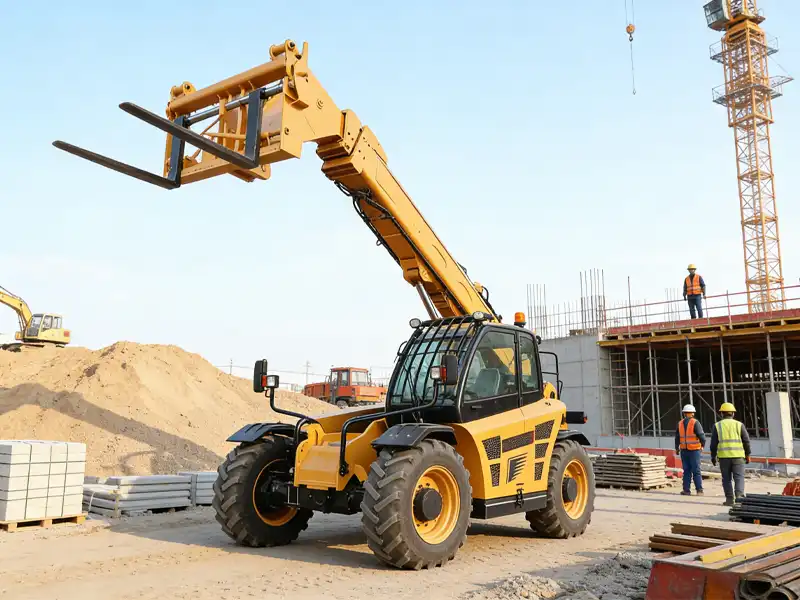
Telehandlers are widely used in construction because they can lift materials to elevated work areas.
- Delivering building materials to upper floors
- Moving pallets across uneven ground
- Lifting roof trusses and structural components
- Supporting scaffolding and work platforms
Their extended reach and strong lifting capacity make them essential equipment for modern construction sites.
Telehandler for Agriculture
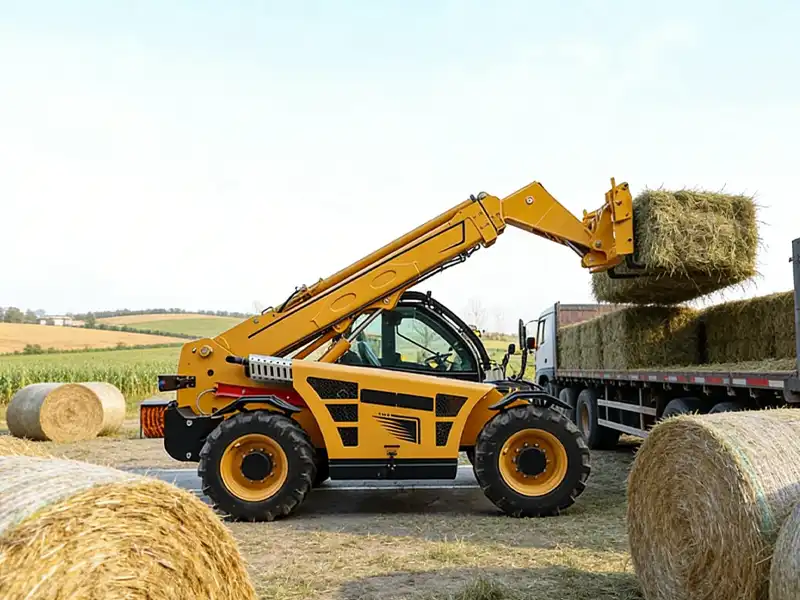
Telehandlers are also popular in farming operations due to their versatility.
- Handling hay bales
- Loading feed into storage areas
- Moving grain bags
- Cleaning barns and livestock facilities
Agricultural telehandlers often come with specialized attachments designed for farm work.
Forklift for Warehousing and Logistics
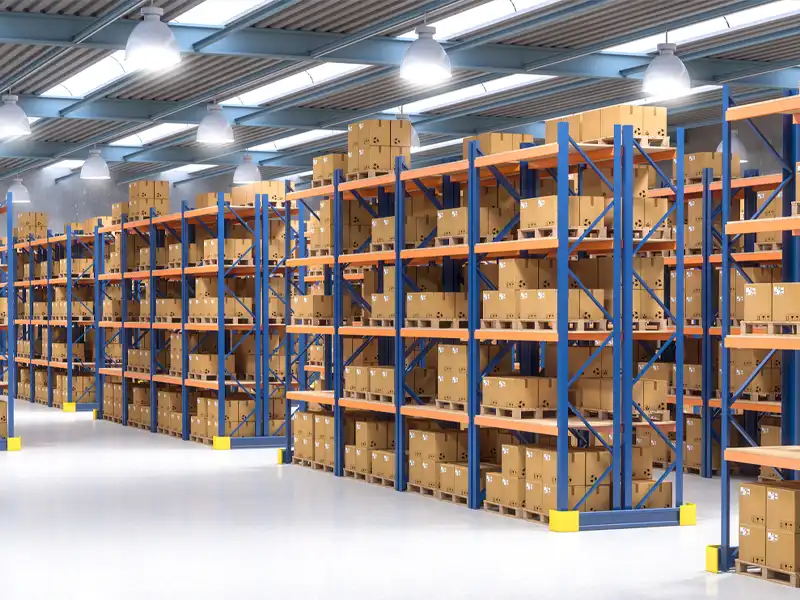
Forklifts dominate warehouse and logistics operations because they are designed specifically for efficient pallet handling.
- Stacking pallets in storage racks
- Loading and unloading trucks
- Organizing inventory in distribution centers
- Transporting materials inside factories
In indoor environments with flat floors and tight spaces, forklifts provide superior maneuverability and efficiency.
Advantages: Telehandler or Forklift
| Equipment | Key Advantages | Typical Applications |
|---|---|---|
| Telehandlers | • Extended reach and higher lifting height • Ability to operate on rough terrain • Compatible with multiple attachments • Versatile functionality across industries • High lifting capacity for heavy materials | Construction sites, agriculture, infrastructure projects, and outdoor material handling |
| Forklifts | • Lower purchase cost • Compact design for tight working spaces • High efficiency for pallet handling • Easy operation and maintenance • Excellent maneuverability in warehouses | Warehouses, logistics centers, factories, and indoor material handling |
Telehandler or Forklift Price Comparison
Telehandler or Forklift Price Comparison
| Equipment | Typical Price Range | Price Factors | Key Reason for Cost Difference |
|---|---|---|---|
| Forklift | $10,000 – $50,000 | Size, lifting capacity, power source (electric, diesel, LPG), brand | Simpler structure and hydraulic system, mainly designed for indoor material handling |
| Telehandler | $60,000 – $150,000 | Boom reach, lifting capacity, engine power, attachments, and off-road capability | Equipped with telescopic boom, complex hydraulic systems, larger engines, and rough-terrain components |
Cost Considerations
| Factor | Telehandler | Forklift |
|---|---|---|
| Initial Purchase Cost | Higher | Lower |
| Versatility | High (multiple attachments and applications) | Limited (mainly pallet handling) |
| Terrain Capability | Suitable for rough terrain and outdoor work | Best for smooth indoor surfaces |
| Equipment Replacement | Can replace multiple machines in some projects | Usually used alongside other equipment |
Although telehandlers typically have a higher upfront cost than forklifts, their extended reach, higher lifting capacity, and multi-purpose attachments can reduce the need for additional machinery. For construction sites, farms, and infrastructure projects, this versatility often makes telehandlers a more cost-effective solution in the long term.
Which One Should You Choose?
Choosing between a telehandler and a forklift ultimately depends on your work environment and operational needs.
Choose a telehandler if you need:
- Extended lifting reach
- Outdoor operation capability
- Rough terrain mobility
- Multi-purpose attachments
Choose a forklift if you need:
- Efficient pallet handling
- Indoor warehouse operations
- Lower equipment costs
- Compact maneuverability
In many industries, businesses use both machines together to maximize operational efficiency.
FAQs
conclusion
Telehandlers and forklifts are both essential material handling machines, but they are designed for different working environments. Telehandlers provide extended reach, rough terrain mobility, and versatile attachments, making them ideal for construction and agriculture. Forklifts, on the other hand, are optimized for efficient pallet handling in warehouses and logistics facilities.
By understanding the key differences between telehandlers and forklifts, businesses can select the equipment that best fits their operational needs and improves productivity.