Introduction
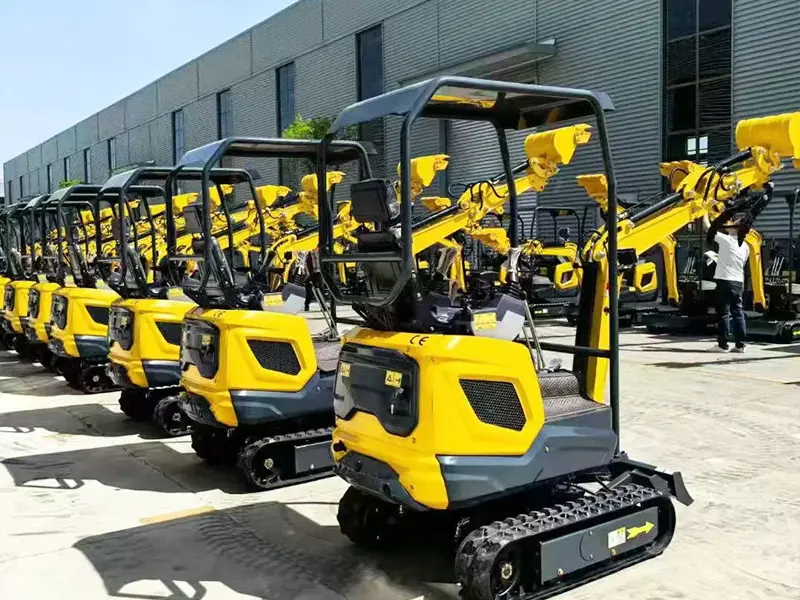
Mini excavators have become one of the most versatile machines in modern construction, landscaping, agriculture, and utility projects. Their compact size, precise control, and high efficiency make them ideal for working in tight spaces where large equipment cannot operate.
Mini excavators — especially models like 3–8 ton machines— are powerful, compact, and versatile. But they’re not toys. With the right steps, you can go from total beginner to confident operator
If you are new to heavy equipment or planning to purchase or mini excavator rental, this guide will walk you through how to operate a mini excavator safely, efficiently, and professionally — from understanding controls to mastering real jobsite techniques.
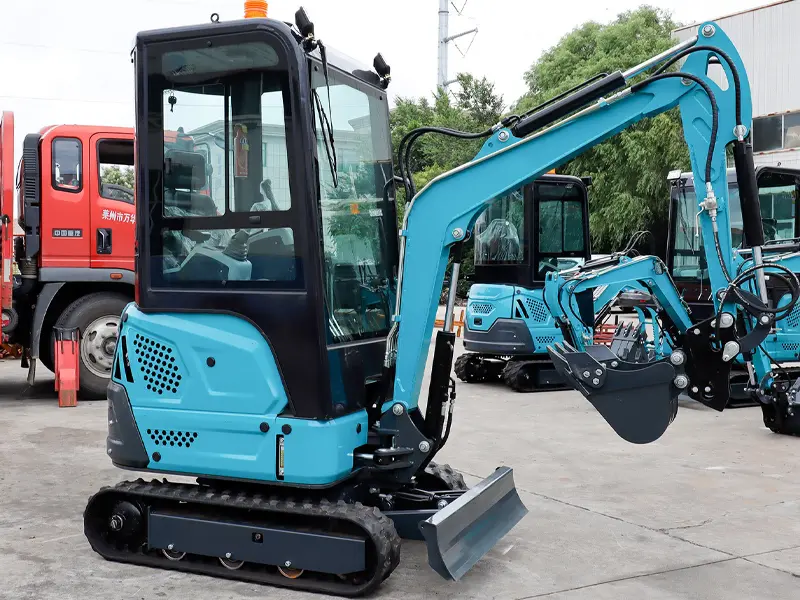
Table of Contents
Why Learn to Operate a Mini Excavator?
Mini excavators are widely used because they offer:
- Easy transportation between job sites
- Low fuel consumption
- Excellent maneuverability in confined areas
- Reduced ground damage
- Compatibility with multiple attachments
Today, contractors, farmers, and even property owners are learning to operate mini excavators to reduce labor costs and improve productivity.
Understanding Mini Excavator Main Components
Before operating the machine, you should understand its key parts:
- Boom – Raises and lowers the digging structure
- Arm (Stick) – Extends digging reach
- Bucket – Performs digging and loading tasks
- Tracks – Provide stability and mobility
- Cab / Operator Station – Control center of the machine
- Hydraulic System – Powers all movements
- Counterweight – Maintains balance during operation
Knowing how these components work together helps operators achieve smoother and safer movements.
Mini Excavator Controls Explained
Most mini excavators use joystick controls. Understanding them is essential:
Left Joystick
- Boom up/down
- Swing left/right
Right Joystick
- Arm in/out
- Bucket curl/dump
Travel Controls
- Move forward/backward
- Turn by varying track speed
Additional Controls
- Throttle lever
- Safety lock lever
- Auxiliary hydraulic switch (for attachments)
Many machines allow switching between ISO and SAE control patterns, so always confirm settings before operation.
Pre-Operation Inspection Checklist
A 5-minute inspection can prevent costly downtime and accidents. Never start work without a quick inspection:
- Check engine oil and hydraulic oil levels
- Inspect tracks for damage or looseness
- Ensure no hydraulic leaks
- Test the safety lock system
- Confirm the surrounding area is clear
- Verify fuel level
How to Operate a Mini Excavator
Step 1: Enter & Start the Machine
- Climb in using 3 points of contact.
- Fasten your seatbelt.
- Release the safety lock only when ready.
- Turn the key to start.
- Let the engine idle for 1–2 minutes in cold weather.
Step 2: Travel (Move the Machine)
- Keep the boom low and close to the machine.
- Use travel levers/pedals to move slowly.
- Always look in the direction you’re traveling.
- Avoid sharp turns on slopes.
- Cross slopes carefully — don’t tilt the machine too far.
Step 3: Use the Blade
- Lower the blade for stability while digging.
- Use it to backfill, level dirt, or stabilize on soft ground.
Step 4: Warm Up the Hydraulics
Gently move the boom, arm, and bucket through full motions for 30 seconds. This prevents stiff operation.
Essential Mini Excavator Safety Tips
Safety is critical for both beginners and experienced operators:
- Never operate on steep slopes without proper positioning
- Keep the bucket low while traveling
- Watch counterweight swing radius
- Avoid underground utility lines
- Always wear PPE (helmet, boots, gloves)
Proper operation greatly reduces rollover risks.
Common Beginner Mistakes to Avoid
New operators often make these errors:
- Moving joysticks too aggressively
- Digging with tracks incorrectly positioned
- Overextending the arm
- Ignoring machine balance
- Swinging loads too quickly
Smooth, controlled movements increase efficiency and reduce wear.
Pro Operator Tips for Higher Efficiency
Experienced operators use technique rather than force:
- Combine boom and arm motion simultaneously
- Keep digging cycles smooth and continuous
- Position the machine close to the trench line
- Use the bucket teeth angle for faster penetration
- Plan the material dumping direction in advance
These habits can improve productivity by over 30%.
Common Applications of Mini Excavators
Mini excavators are used for:
- Trenching and pipeline installation
- Landscaping and grading
- Foundation excavation
- Farm drainage projects
- Urban construction work
- Demolition in tight spaces
Their versatility makes them one of the best ROI machines for contractors.
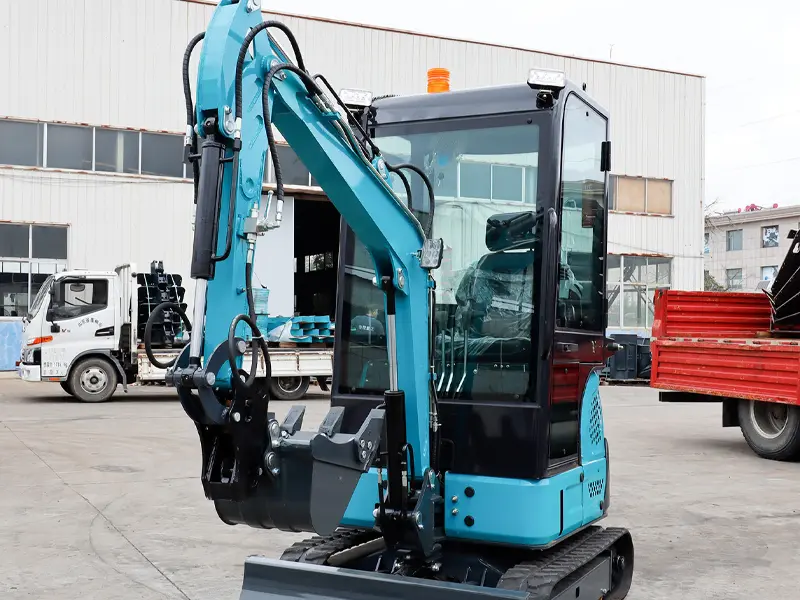
Choosing the Right Mini Excavator Size
Selecting the correct size depends on your project:
| Machine Size | Best For |
|---|---|
| 1–2 Ton | Gardens, indoor work, narrow access |
| 3–4 Ton | General construction & utilities |
| 5–6 Ton | Heavy digging & commercial jobs |
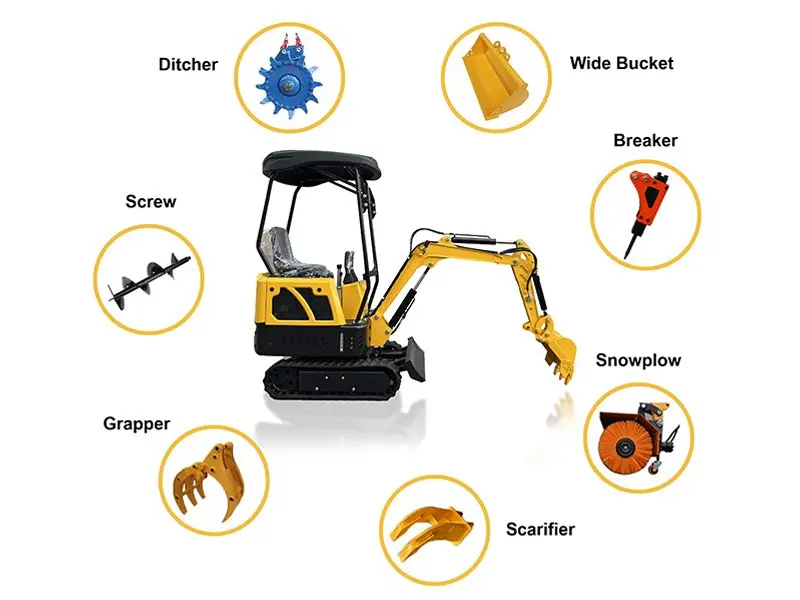
If you frequently change tasks, consider models supporting quick-change attachments.
mini excavator attachments
Daily Maintenance After Operation
Routine maintenance extends the machine’s lifespan significantly. After finishing work:
- Clean mud from tracks
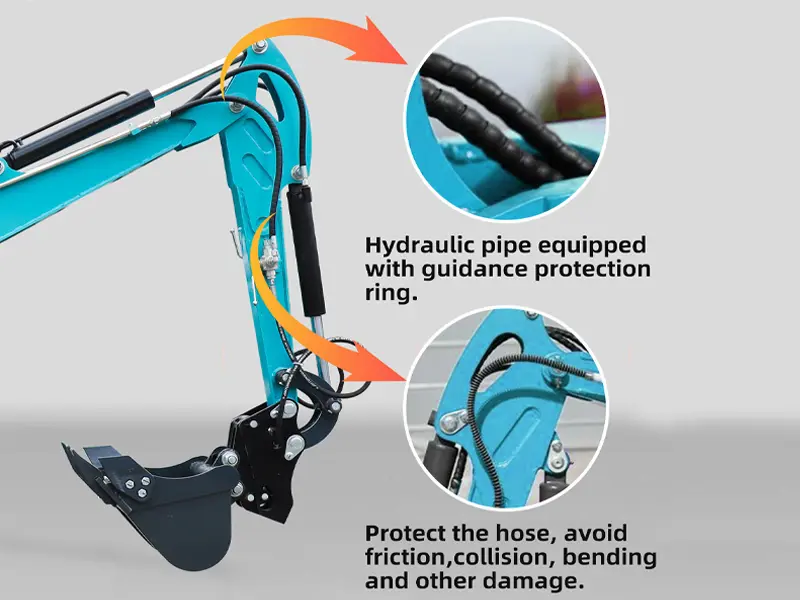
- Inspect hydraulic hoses
- Grease pivot points
- Check for leaks or abnormal noise
- Refuel for the next operation


FAQs
conclusion
Mastering mini excavator operation goes far beyond simply moving the joysticks. It requires a clear understanding of machine components, hydraulic coordination, balance control, and jobsite awareness. From performing a proper pre-operation inspection to practicing smooth boom and arm movements, each step directly affects safety, efficiency, and long-term equipment performance. Avoiding common beginner mistakes—such as overreaching, abrupt control inputs, or improper positioning—helps reduce wear, prevent accidents, and improve overall productivity on site.
Whether you are a new operator building foundational skills or a contractor aiming to improve digging efficiency, combining correct techniques with strong safety habits is what defines professional-level operation. Choosing the right machine size and configuration is equally important, as the proper equipment matched to your project needs can significantly increase return on investment. When operated correctly and maintained consistently, a mini excavator becomes not just a machine, but a powerful productivity tool that delivers reliable results across construction, landscaping, agricultural, and utility applications.