Introduction
Choosing between a backhoe loader vs excavator is one of the most common decisions faced by contractors, rental companies, and project managers. While they appear functionally similar—both can dig, load, and perform construction tasks—the true differences in their applications become apparent only when deployed on-site. The cost of selecting the wrong equipment isn’t merely inconvenience; it directly impacts project timelines, efficiency, and profit margins.
The core issue isn’t the price tag, but the “fit.” A seemingly versatile machine may prove inefficient during high-intensity digging; a specialized excavator might become prohibitively expensive when switching between multiple tasks. Choosing wrong = wasted costs + reduced efficiency + forced reinvestment. In this comparison, we’ll help you quickly grasp the fundamental differences between these two machines, avoiding the pitfalls that 90% of contractors have fallen into.
What Is a Backhoe Loader?
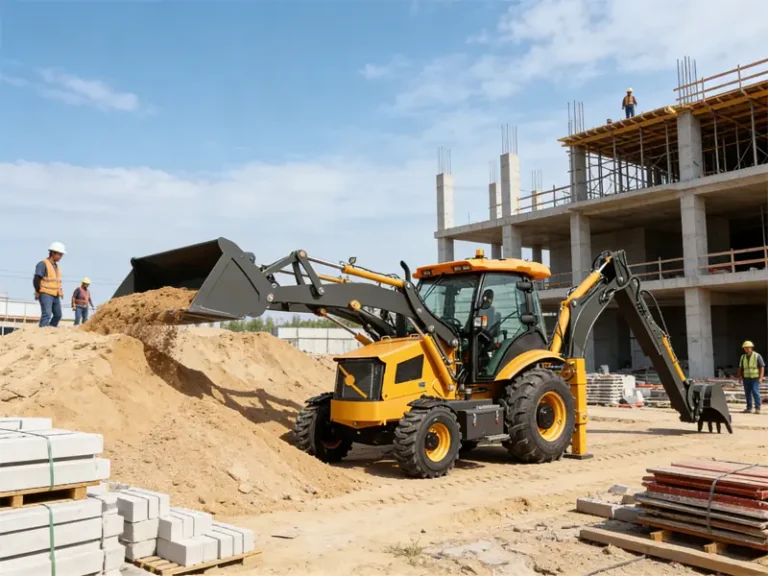
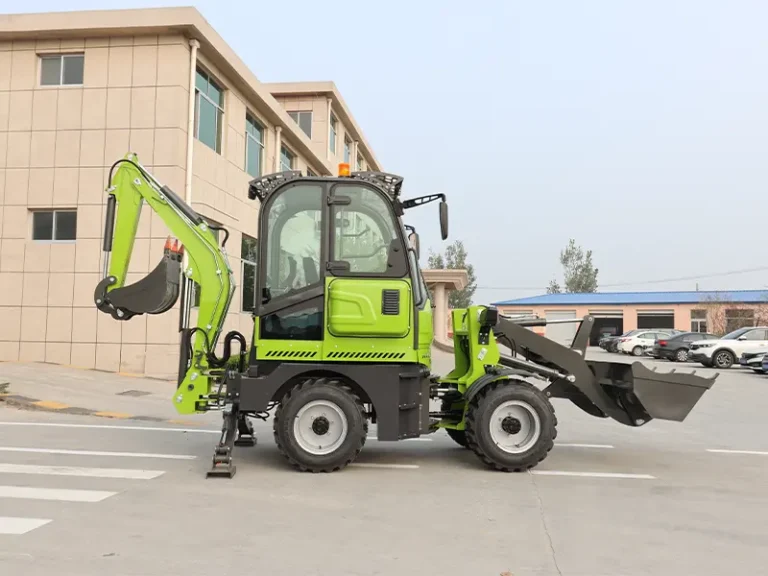
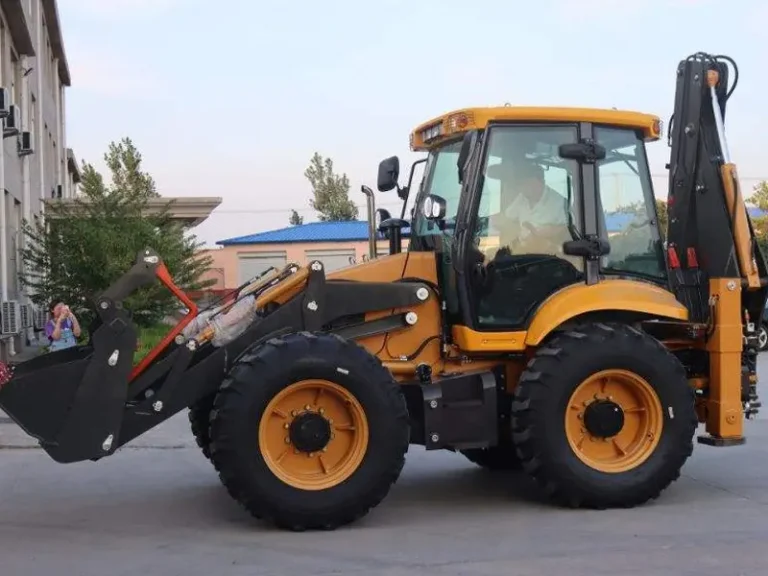
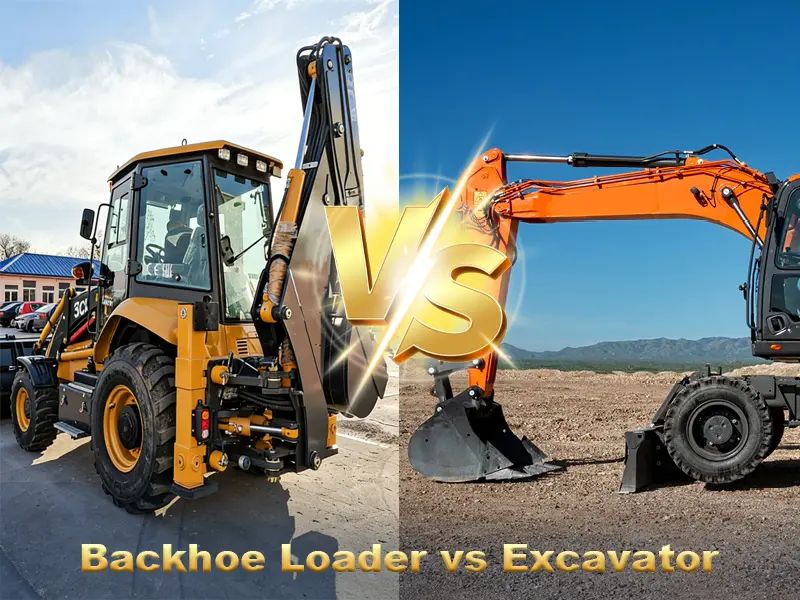
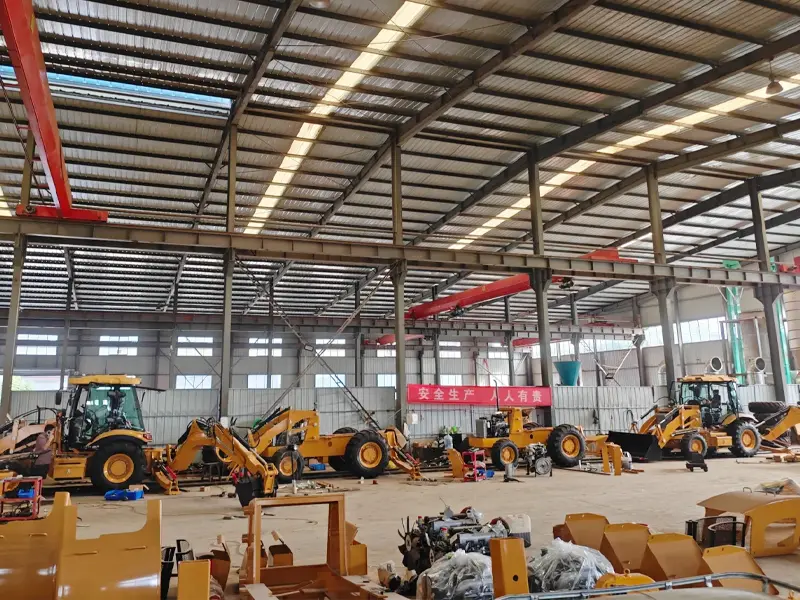
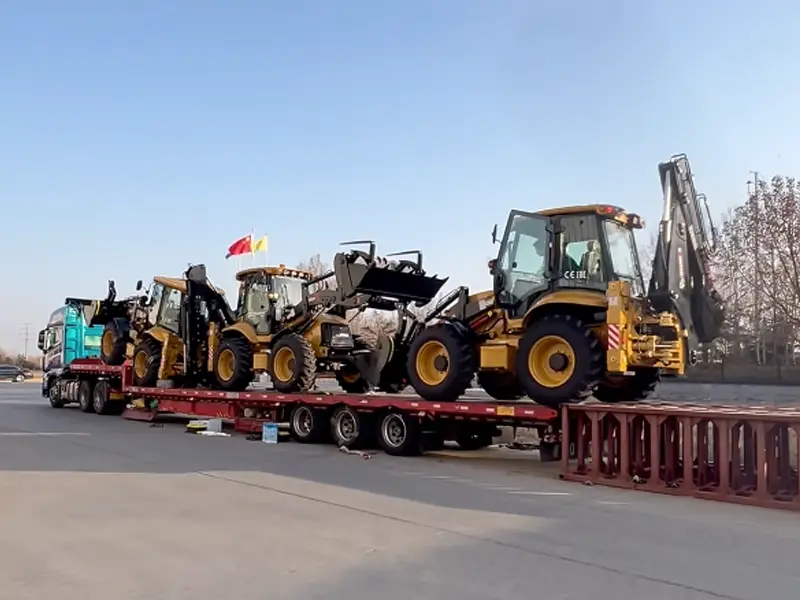
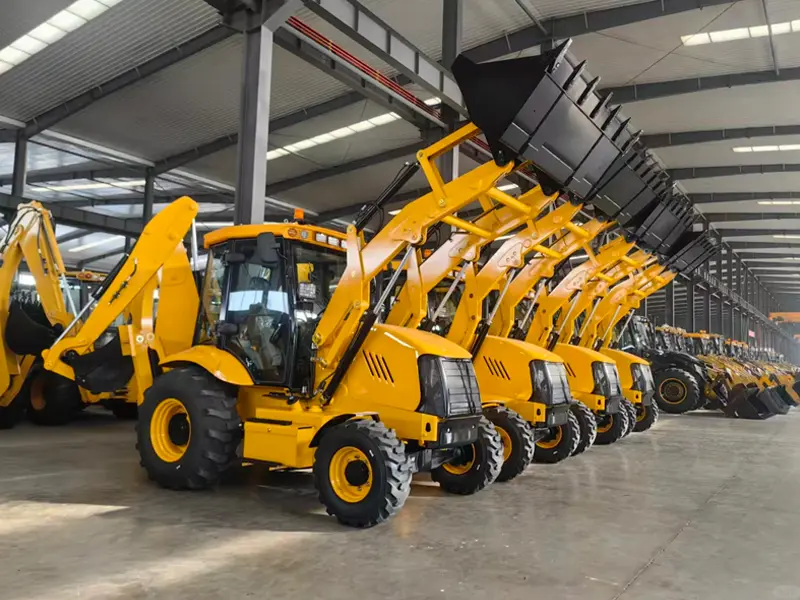
A backhoe loader is a multifunctional construction machine that combines a front loader bucket and a rear-mounted excavating arm into one compact unit. It is designed to perform multiple tasks without switching machines.
Characteristics:
- Dual-purpose design: loading + digging
- High mobility on roads and urban sites
- Quick relocation between tasks
- Lower transportation requirements
- Ideal for medium and small projects
Because of its versatility, contractors often use a backhoe loader as an “all-in-one” solution for daily construction operations.
What Is an Excavator?
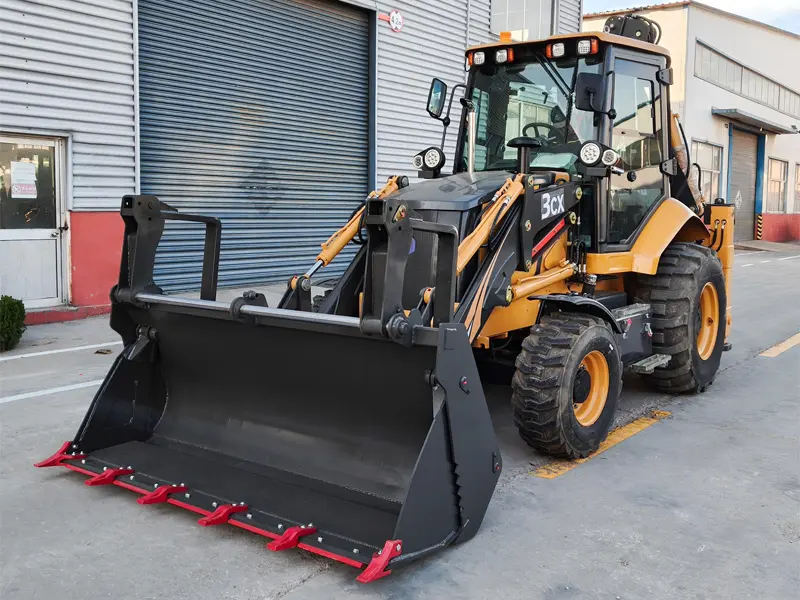
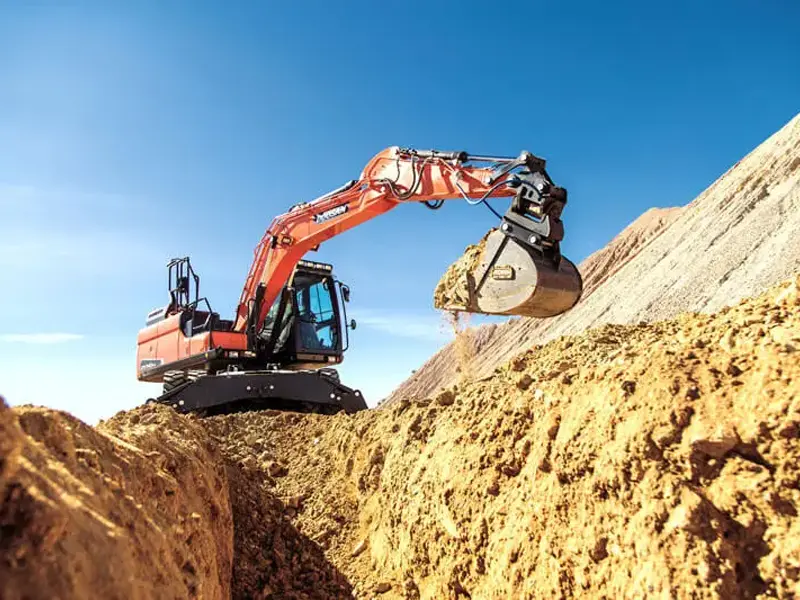
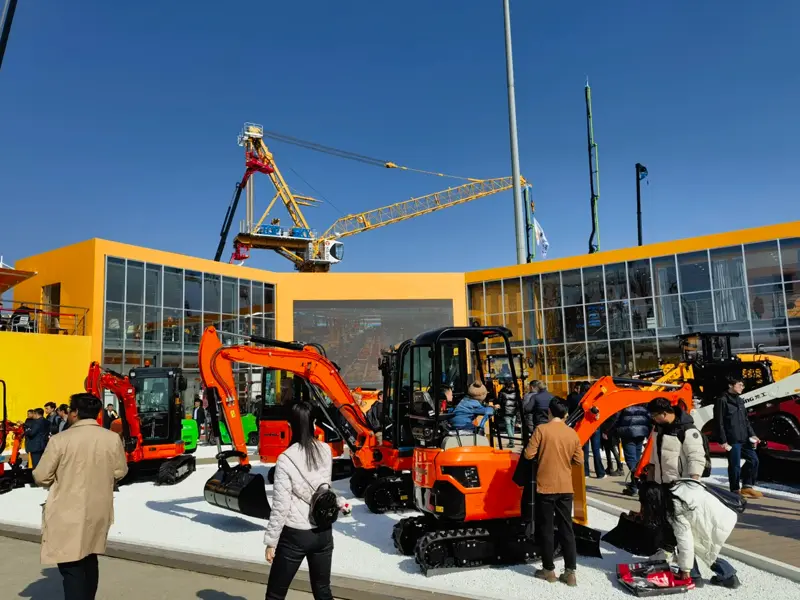
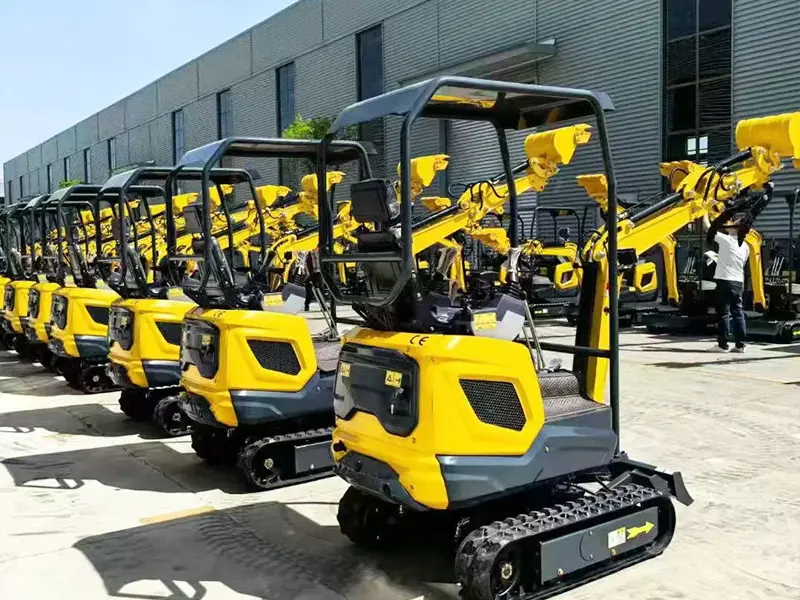
An excavator is a specialized heavy-duty machine primarily designed for excavation work. It features a rotating upper structure that allows 360-degree operation, making it highly efficient for continuous digging tasks.
Characteristics:
- Powerful hydraulic digging force
- 360° rotation capability
- Superior trenching depth
- Excellent stability for heavy workloads
- Designed for large-scale earthmoving
Excavators are typically chosen when digging performance and productivity are the highest priority.
Backhoe Loader vs Excavator: Key Differences
| Feature | Backhoe Loader | Excavator |
|---|---|---|
| Machine Type | Multi-purpose | Specialized digging machine |
| Mobility | Excellent (road travel capable) | Limited mobility |
| Digging Power | Moderate | Very high |
| Rotation | 200° | 360° rotation |
| Transport Cost | Low | Higher |
| Urban Jobsite Suitability | Excellent | Moderate |
| Purchase Cost | Lower | Higher |
| Versatility | Very high | Medium |
| Price | Lower | Higher |
| Best For | Small contractors | Heavy construction |
Backhoe loader tractor prioritize flexibility, while excavators focus on maximum excavation performance. In comprehensive working conditions such as municipal engineering, farmland renovation, site leveling, and earthwork backfilling, the combined operating efficiency of the backhoe loader is 40%-70% higher than that of an excavator.
Performance Comparison
- Digging Capability
Excavators deliver a stronger breakout force and deeper digging depth, making them suitable for heavy excavation, mining, and foundation work. Backhoe loaders handle trenching and utility digging efficiently, but are not intended for extreme workloads. - Loading Efficiency
Backhoe loaders excel in material handling because the front loader bucket allows immediate loading, leveling, and site cleanup without additional equipment. - Working Radius
Excavators provide a larger operating range thanks to full rotation, reducing repositioning time during continuous digging. - Fuel Consumption
For mixed tasks, backhoe loaders often consume less fuel since one machine replaces multiple units.
Which Machine Is More Versatile?
If versatility is the primary consideration, a backhoe loader is typically the more flexible choice. Combining the functions of a loader and an excavator in a single machine, it can handle diverse tasks such as trenching, material loading, ground leveling, and light demolition. This makes it ideal for contractors requiring a multi-purpose machine. However, if the project demands focus on deep digging, rock breaking, or heavy earthmoving operations, an excavator would be a more suitable option.
Cost Comparison
In terms of purchase costs, backhoe loaders typically require lower initial investments, while excavators—especially larger models—carry higher price tags. Regarding operating expenses, backhoe loaders generally consume less fuel, whereas excavators incur higher transportation costs due to their larger size and weight. Regarding maintenance, excavators feature relatively simpler structures, making routine upkeep more convenient, though their hydraulic systems often carry higher costs. As for resale value, excavators typically retain their value better in markets with strong infrastructure development demand.
Taking mid-sized equipment from mainstream brands as an example: a 5-ton professional backhoe loader costs approximately ¥350,000, while a comparable excavator costs around ¥400,000. A backhoe loader with equivalent performance ranges from ¥450,000 to ¥500,000. Although the unit price is slightly higher, purchasing one backhoe loader saves 25%-30% in procurement costs compared to buying two single-function machines. Regarding operating costs, the backhoe loader requires only one maintenance system, reducing annual upkeep expenses by over 40% compared to two separate machines. More importantly, its equipment utilization rate can exceed 80%, significantly shortening the investment payback period. Actual usage data from a municipal engineering company shows that adopting backhoe loaders increased overall earthwork efficiency by 25% and reduced labor costs by 30%.
Backhoe Loader Advantages
- Lower initial purchase price
- Reduced transportation costs
- One operator for multiple tasks
- Less equipment required on-site
Excavator Cost Considerations
- Higher acquisition cost
- An additional loader is often required
- A transport trailer is typically needed
- Higher fuel consumption in mixed operations
Application Scenarios
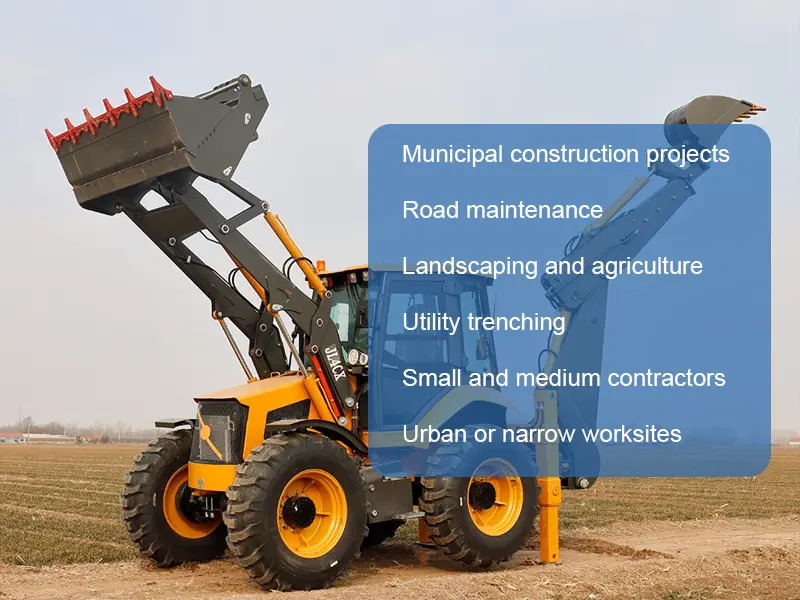
Backhoe Loader Is Best For:
- Municipal construction projects
- Road maintenance
- Landscaping and agriculture
- Utility trenching
- Small and medium contractors
- Urban or narrow worksites
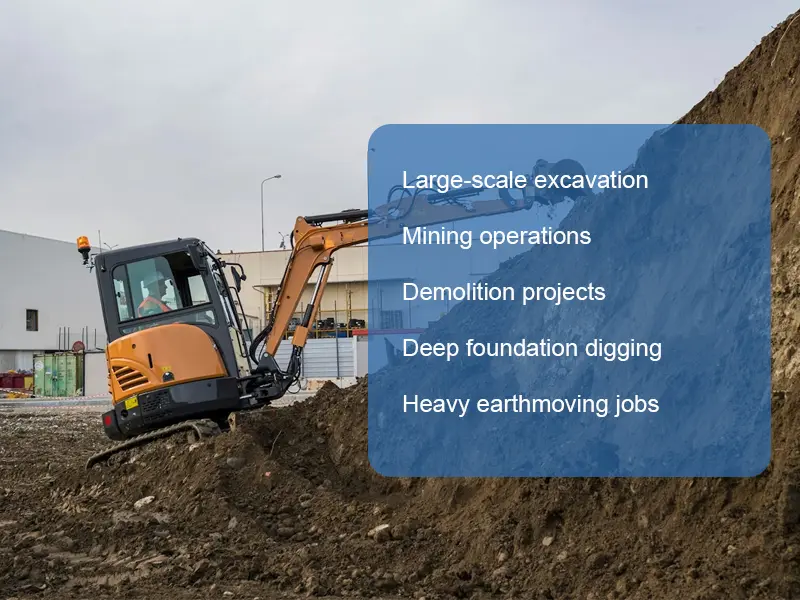
Excavator Is Best For:
- Large-scale excavation
- Mining operations
- Demolition projects
- Deep foundation digging
- Heavy earthmoving jobs
Advantages and disadvantages
Backhoe Loader
Advantages
- Multi-functional
- Cost-efficient
- Easy transport
- Ideal for urban work
disadvantages
- Lower digging force
- Limited rotation range
Excavator
Backhoe Loader Advantages
- Superior digging performance
- Greater reach and depth
- Excellent stability
Excavator Cost Considerations
- Higher operating costs
- Less versatile for mixed tasks
How to Choose Between a Backhoe Loader and an Excavator
Ask yourself the following questions:
- Is your project located in a confined or urban area?
- Do you need one machine to perform multiple tasks?
- Will the equipment move frequently between jobsites?
- Is excavation the main activity?
Quick Decision Guide
- Choose a Backhoe Loader → multi-purpose work, smaller projects, cost control.
- Choose an Excavator → heavy excavation, large-scale projects, maximum digging efficiency.

FAQs
conclusion
Both machines play essential roles in modern construction, but the right choice depends on your workload, project scale, and operational priorities.
If your projects require flexibility, mobility, and cost efficiency, a backhoe loader is often the smarter investment. If maximum digging power and productivity are critical, an excavator is the better solution.