
Technology FAQs
This guide compiles core technical issues for excavators and various types of construction machinery, helping you quickly understand model specifications, suitable operating conditions, and key selection criteria.
Model selection requires comprehensive consideration of the construction environment, workload intensity, material type, and usage frequency. Compact excavators are ideal for municipal work and confined spaces, while backhoe loaders and wheel loaders excel in versatile, high-efficiency construction scenarios.
Combining loading and digging functions, backhoe loaders are widely used in road construction, farm operations, municipal maintenance, and small-scale infrastructure projects. They offer high cost-effectiveness across diverse work conditions.
Telescopic forklifts offer forward reach and elevated work capabilities, ideal for construction sites and warehouse handling. Rough-terrain forklifts prioritize off-road mobility, excelling in construction sites, mining areas, and unpaved surfaces.
Focus on overall machine weight, digging depth, engine power, and hydraulic system performance. These parameters directly impact operational efficiency and fuel economy.
Yes. Skid steer loaders feature compact designs and versatile attachments, making them ideal for efficient, frequent task switching. They are commonly used in municipal works, landscaping, farming, and warehouse handling.
Self-loading concrete mixer trucks integrate loading, mixing, and transportation functions. They are suitable for remote construction sites, rural development, and small-to-medium projects, effectively reducing labor and construction costs.
Construction tractors can be paired with various agricultural machinery or construction attachments, making them suitable for agricultural construction, road maintenance, and material hauling. They serve as versatile basic power equipment.
Wheel loaders excel in sand/gravel yards, mining sites, ports, and large-scale infrastructure projects. Their robust loading capacity and high operational efficiency make them ideal for continuous heavy-duty tasks.
Ordering & Delivery FAQs
When procuring construction machinery, focus on minimum order quantities, pricing structures, customization policies, production cycles, delivery schedules, and export logistics support to help evaluate costs and lead times while reducing procurement uncertainties.
Most construction machinery equipment supports orders starting from 1 unit, suitable for project procurement and dealer trial orders. Specific MOQ policies may vary depending on product model and configuration.
Equipment pricing is typically calculated based on model, configuration, customization requirements, and order quantity. Quotes may include the complete machine, base configuration, and packaging costs. Transportation and taxes can be calculated separately upon request.
Customization services are available, including engine brand, working attachments, accessories, tire type, electrical configuration, and exterior color to meet diverse national regulations and construction site requirements.
Yes. We supply commercial invoices, packing lists, bills of lading, certificates of origin, and related export documents to facilitate smooth customs clearance.
For distributors or long-term partners, demo unit policies or trial order arrangements can be negotiated based on equipment type and cooperation model.
Standard configuration equipment typically requires 20–35 days. Customized equipment may require extended lead times based on configuration complexity.
Delivery time is determined by both production and shipping durations. Under normal circumstances, it takes approximately 30–45 days from order confirmation to equipment shipment, depending on the destination port.
We support full container load (FCL), less than container load (LCL), break bulk, and roll-on/roll-off (RoRo) shipping. We can recommend suitable logistics solutions based on equipment dimensions and delivery schedules.
All equipment undergoes professional packaging before shipment, including rustproofing, moisture protection, and shockproofing measures to ensure it remains in optimal condition during long-distance transport.
Simply submit the equipment model, quantity, and intended application. Our team will provide detailed pricing, delivery timelines, and transportation recommendations.
After-Sales & Support FAQs
Addressing customers’ top concerns regarding warranty coverage, after-sales support, spare parts supply, and training after purchasing excavators and various construction machinery, ensuring long-term stable operation of equipment.
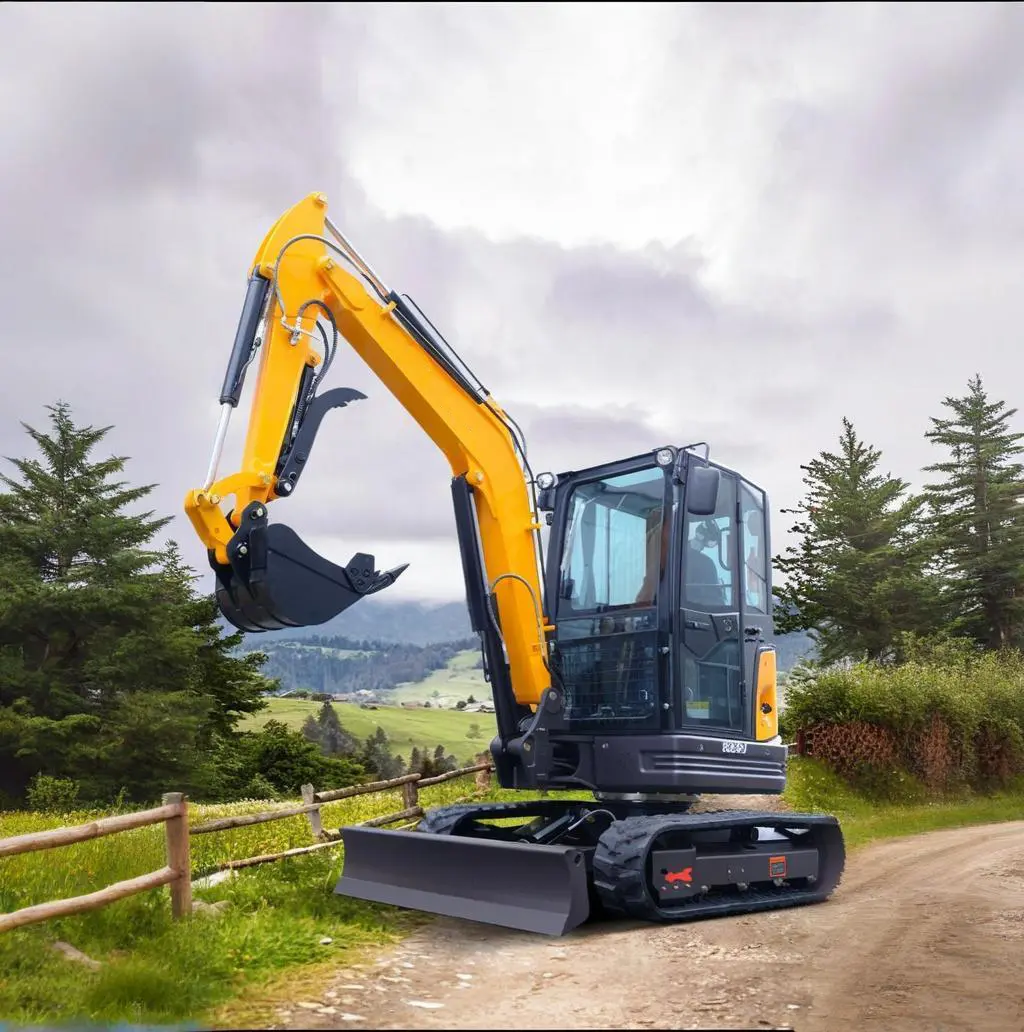
We usually provide a 12-month or specified working-hour warranty for our construction machinery, including excavators, backhoe loaders, and telehandlers.
The warranty covers major components such as engines, hydraulic systems, and transmissions under normal operating conditions.
We offer remote technical support, video guidance, and online troubleshooting to minimize downtime.
We provide operation and maintenance guidance for excavators, skid steer loaders, and self-loading concrete mixers.
We ensure long-term availability of spare parts with stable inventory and replacement recommendations.
Spare parts can be ordered by model or part number, with international shipping support.
Yes. Each machine comes with operation manuals, maintenance guides, and technical documentation.
Yes. We support overseas customers with remote assistance, video support, and spare parts supply.
Common wear parts include filters, seals, brake components, and hydraulic hoses. Replacement depends on working conditions.
We provide remote inspection checklists and restart guidance after long-term storage.
We consider local regulations during configuration and provide region-specific support.
We typically respond within 24 hours, with priority handling for urgent issues.